User Responsibilities Under Air Filter Terms and Conditions
Key Takeaways
- Understanding the air filter terms of use is crucial for compliance.
- Automatic Roll Air Filters offer efficient particulate control.
- Proper selection is vital for system performance and energy savings.
- Regular maintenance and monitoring help reduce operational costs.
- Awareness of common mistakes can prevent costly errors.
- Compliance with standards such as ISO 16890 and MERV is essential but requires verification.
- Airflow Range: Ensure the filter matches your system’s airflow requirements, typically from 500 to 10,000 CFM or more.
- Face Velocity: Optimal face velocity generally between 300 and 600 feet per minute (fpm) for maximum efficiency.
- Media Width/Length: Depending on the installation space, common media sizes may range from 24 inches in width to longer lengths tailored to system dimensions.
- Frame Size: Standard frame sizes should accommodate the existing filter space, ensuring an airtight fit.
- Control Options: Select between manual or automated controls for easier maintenance and operation.
- Power Supply: Assess compatibility with your existing electrical setup, often 120V or 240V.
- Installation Location: Suitable for placements in fresh air intake, return air systems, or specialized processing air setups.
- Neglecting Maintenance: Schedule regular checks to ensure optimal performance.
- Improper Sizing: Always evaluate airflow needs to select the right filter size.
- Ignoring Pressure Readings: Monitor differential pressure regularly to prevent throughput issues.
- Skipping Installation Guidelines: Follow manufacturer instructions for installation.
- Overlooking Environmental Conditions: Choose filters suited for the specific location environment (e.g., cleanrooms vs. industrial).
- Misunderstanding Filter Lifespan: Know the expected lifespan and plan for replacements accordingly.
- Assuming All Filters Are Equal: Different filters serve distinct purposes, so understand the specific requirements of your application.
-
Data Center: In a data center, energy efficiency and airflow stability are critical. An Automatic Roll Air Filter can reduce energy costs and maintain optimal air quality, contributing to heightened operational efficiency.
-
Battery Factory: The production of lithium batteries produces airborne particulates. Implementing these filters can minimize contamination, enhancing product quality and safety.
-
Paint Shop: In a paint shop environment, controlling volatile organic compounds (VOCs) is essential. The Automatic Roll Air Filter helps to trap these contaminants, maintaining compliance and safety.
-
Textile/Steel/Cement Plant: In facilities with high particulate production, these filters significantly reduce maintenance needs while improving air quality, allowing for better worker health and compliance with air quality standards.

What is an Automatic Roll Air Filter?
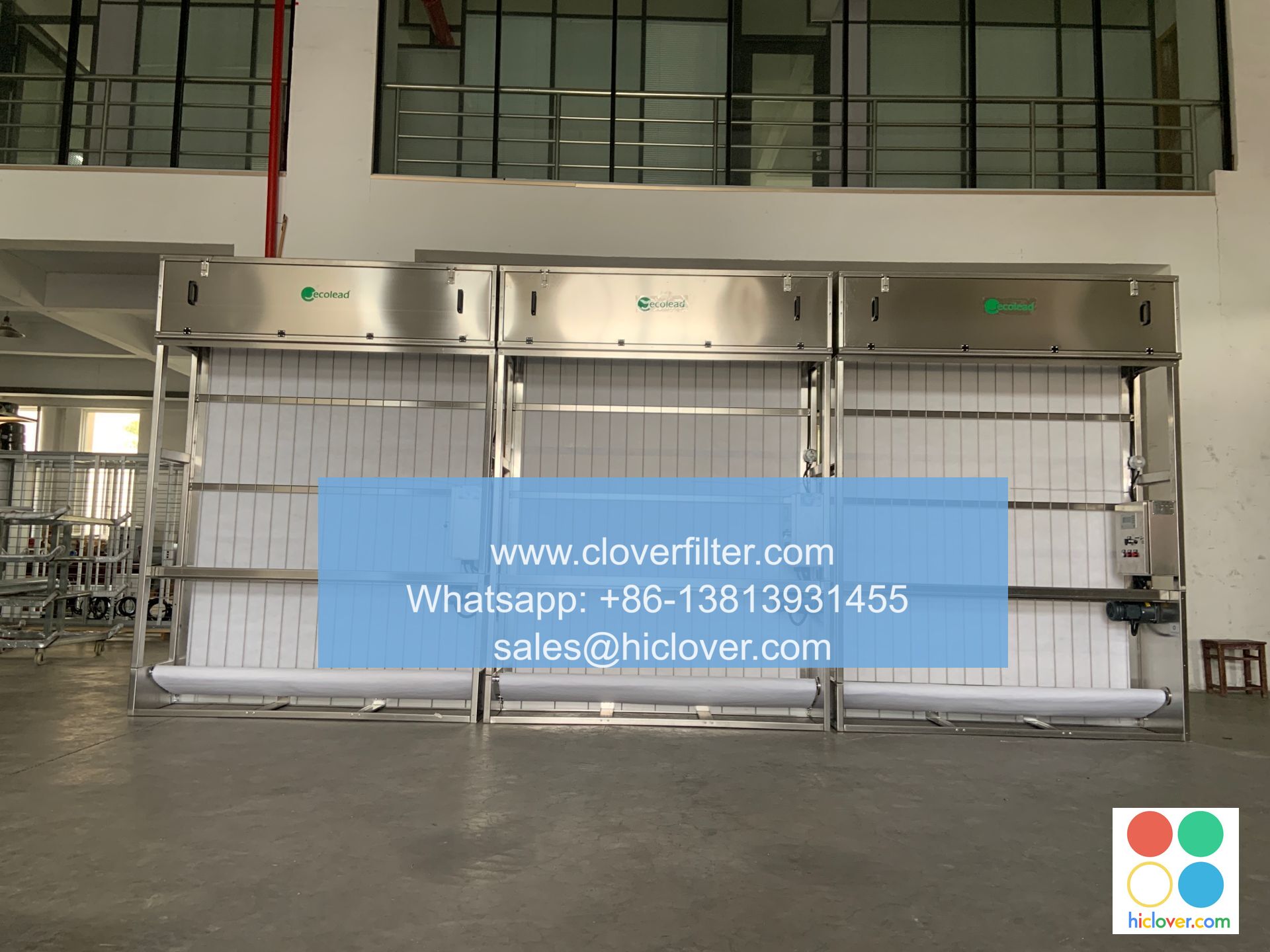
An Automatic Roll Air Filter is a cutting-edge solution used in HVAC systems to ensure high air quality while minimizing energy consumption. Designed with advanced roll media advance logic, these filters can automatically move the media forward once the differential pressure reaches a specific threshold, triggering a change to maintain optimal airflow and filtration efficiency. The incorporation of timer modes allows for precise control tailored to system needs, making it ideal for applications like fresh air intake, AHU prefilter, and more.

How It Fits in HVAC/AHU Systems
Strategically placed within HVAC and air handling unit (AHU) systems, the Automatic Roll Air Filter serves as a barrier against contaminants before air enters various facilities like factories, cleanrooms, and hospitals. Its design allows seamless integration into existing setups, providing efficient particulate control while requiring less maintenance compared to traditional filters.
Practical Selection Guide
When choosing an Automatic Roll Air Filter, consideration must be given to specific operational parameters:
Comparison Table
| Automatic Roll Air Filter | Bag Filter | Panel Filter | V-Bank Filter | |
|---|---|---|---|---|
| Best Use Case | Large commercial spaces | General use | General use | High particulate loads |
| Maintenance | Low (automated) | Moderate | Low | Moderate to high |
| Pressure Drop Behavior | Low to moderate | Moderate | Low | Moderate |
| Operating Cost | Lower due to efficiency | Variable | Lower | Higher |
| Typical Risk/Downside | Initial setup cost | Replace frequently | Limited in high-load | Higher pressure drops |
Common Mistakes & How to Avoid Them
Real-World Scenarios
Compliance and Standards
While compliance with standards like ISO 16890 and MERV is paramount, it is essential to approach these guidelines cautiously. The Automatic Roll Air Filter is compatible with industry frameworks, but users should verify specific certifications directly from suppliers. Always check the manufacturer’s documentation if certification is critical for your application.
FAQ
Q1: What is the average lifespan of an Automatic Roll Air Filter?
A1: The lifespan varies by application but typically ranges from 6 months to over a year, depending on air quality and particulate load.
Q2: How often should I replace my air filter?
A2: Regular checks should be conducted every 1-3 months, but replacement schedules depend on local air quality and specific application demands.
Q3: Can I use an Automatic Roll Air Filter in all HVAC systems?
A3: While versatile, its installation should be tailored to the design of the existing HVAC system.
Q4: What are the energy savings associated with using these filters?
A4: Savings can vary but generally fall between 10% and 30% in terms of reduced energy consumption compared to traditional filters.
Q5: How can I find the right filter size?
A5: Consult your system specifications for required dimensions, or discuss your needs with a CloverFilter specialist.
Q6: Are these filters suitable for medical environments?
A6: Yes, when correctly specified, they can provide high levels of air quality necessary for medical facilities.
Conclusion
Understanding your responsibilities under air filter terms of use is vital in maintaining compliance and ensuring the longevity of your air filtration systems. As a leading brand in the industry, CloverFilter provides advanced solutions like the Automatic Roll Air Filter, which are designed to optimize performance in demanding environments.
For optimal air quality solutions tailored to your specific needs, contact CloverFilter through our website: CloverFilter.
Meta Description: Explore user responsibilities under air filter terms of use, focusing on Automatic Roll Air Filters for optimal performance in commercial and industrial applications.
It seems like you’re looking for a prompt! Could you provide a bit more detail about the type of prompt you’re interested in? For example, are you looking for a writing prompt, a discussion topic, or something else? Let me know how I can assist you!
