A Case Study on the Implementation of Automatic Roll Air Filters in Sherbrooke’s Sterile Production Facilities
Introduction
In the world of sterile production, maintaining air quality is paramount. This case study explores the implementation of Automatic Roll Air Filters in the sterile production facilities of Sherbrooke, Canada. The focus is on the benefits, challenges, and outcomes associated with this advanced air filtration system in ensuring compliance with stringent health standards.
Background
Sherbrooke’s sterile production facilities are dedicated to manufacturing pharmaceuticals that require stringent air quality control. Traditional air filtration systems have proven inadequate in meeting the increased standards of cleanliness and efficiency demanded by regulatory bodies. The introduction of Automatic Roll Air Filters aims to address this challenge.
Implementation Process
1. Assessment of Current Systems
Prior to implementing the new filtration system, a comprehensive assessment of the existing air quality management systems was conducted. Staff identified issues such as frequent filter replacements, inconsistent air quality measurements, and high operational costs.
2. Selection of Air Filter Technology
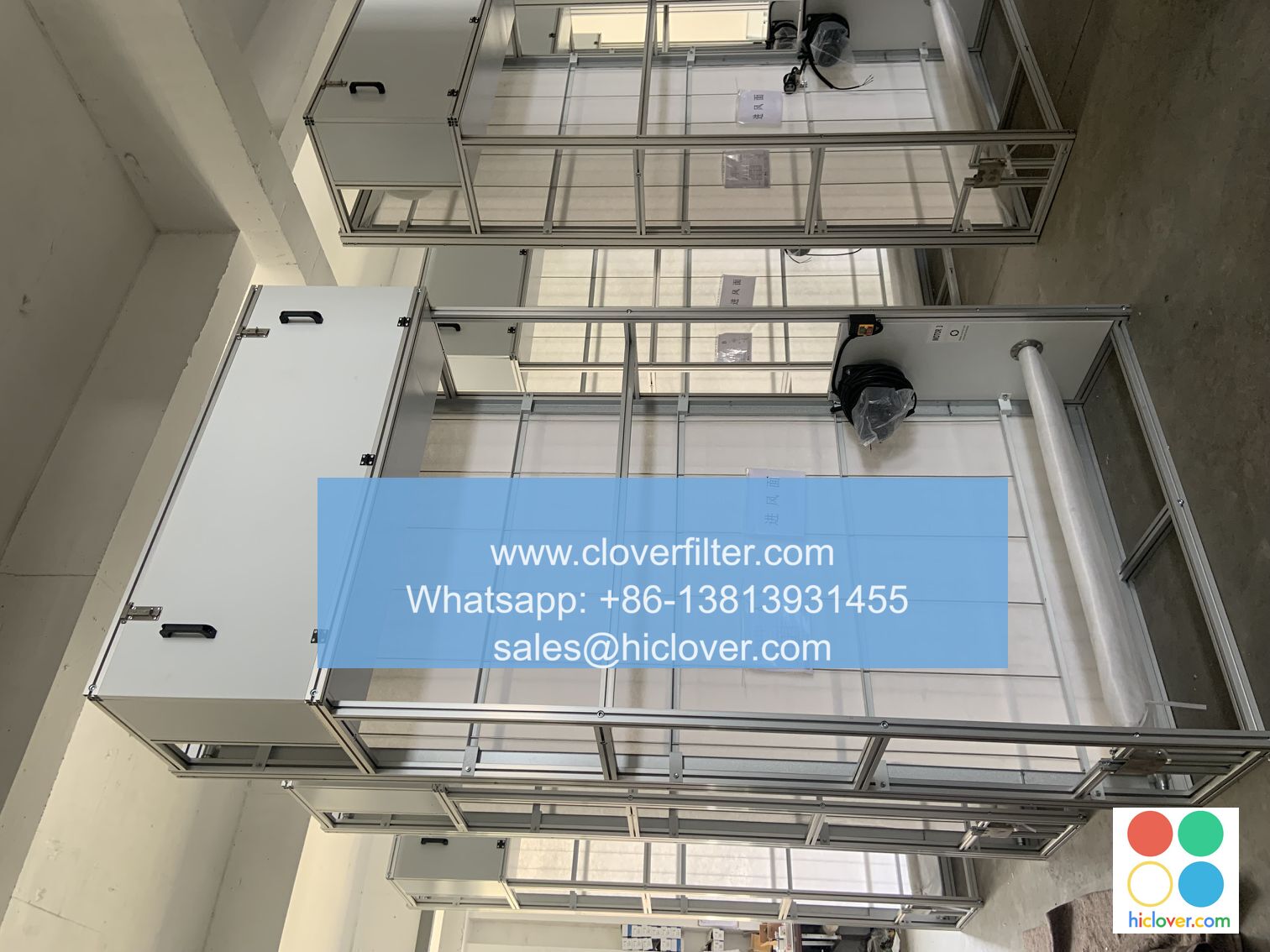
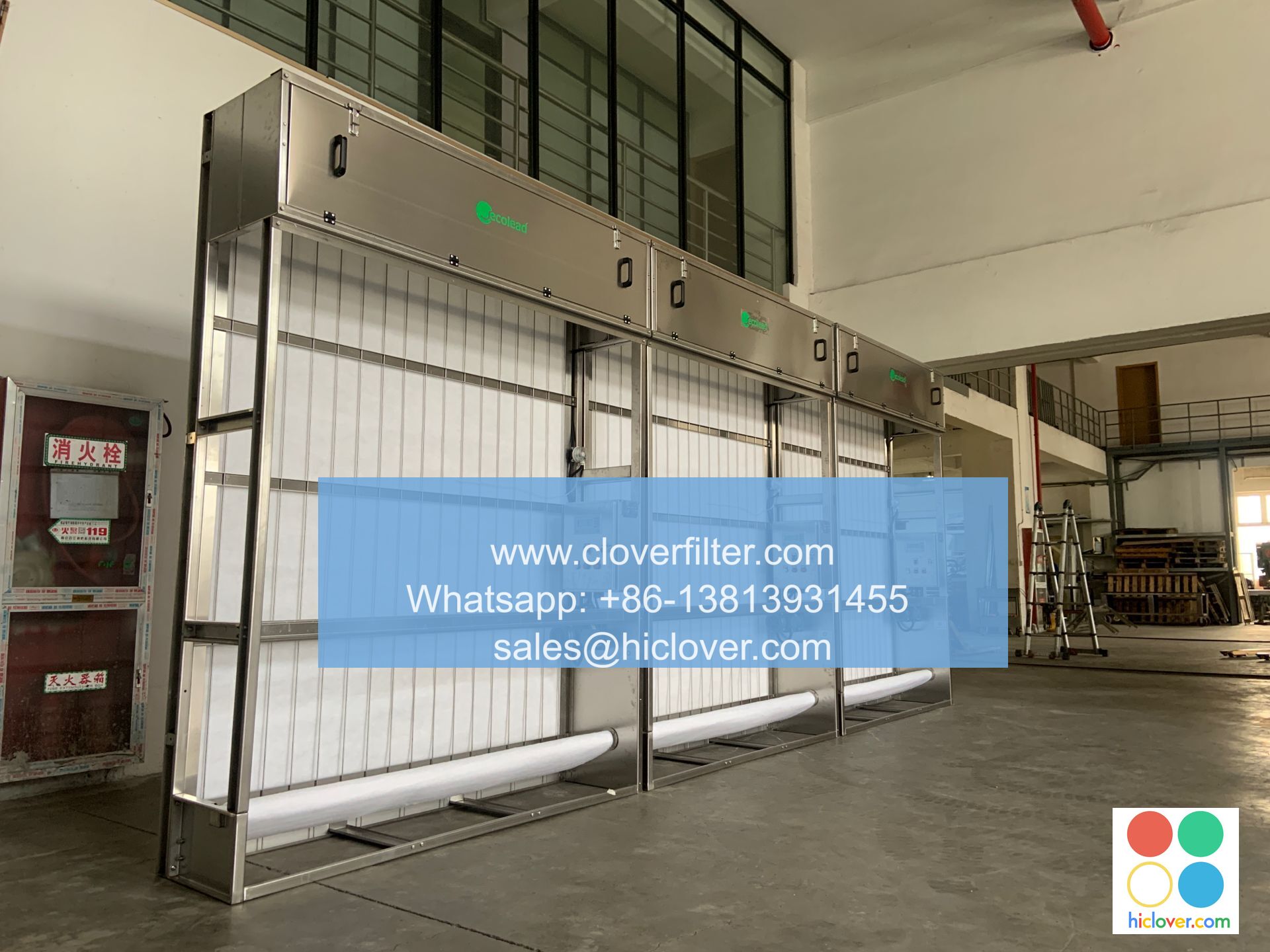
After evaluating several options, Sherbrooke opted for Automatic Roll Air Filters, known for their efficiency and cost-effectiveness. These filters automatically adjust to variable airflow rates, providing enhanced filtration without sacrificing airflow.
3. Installation and Training
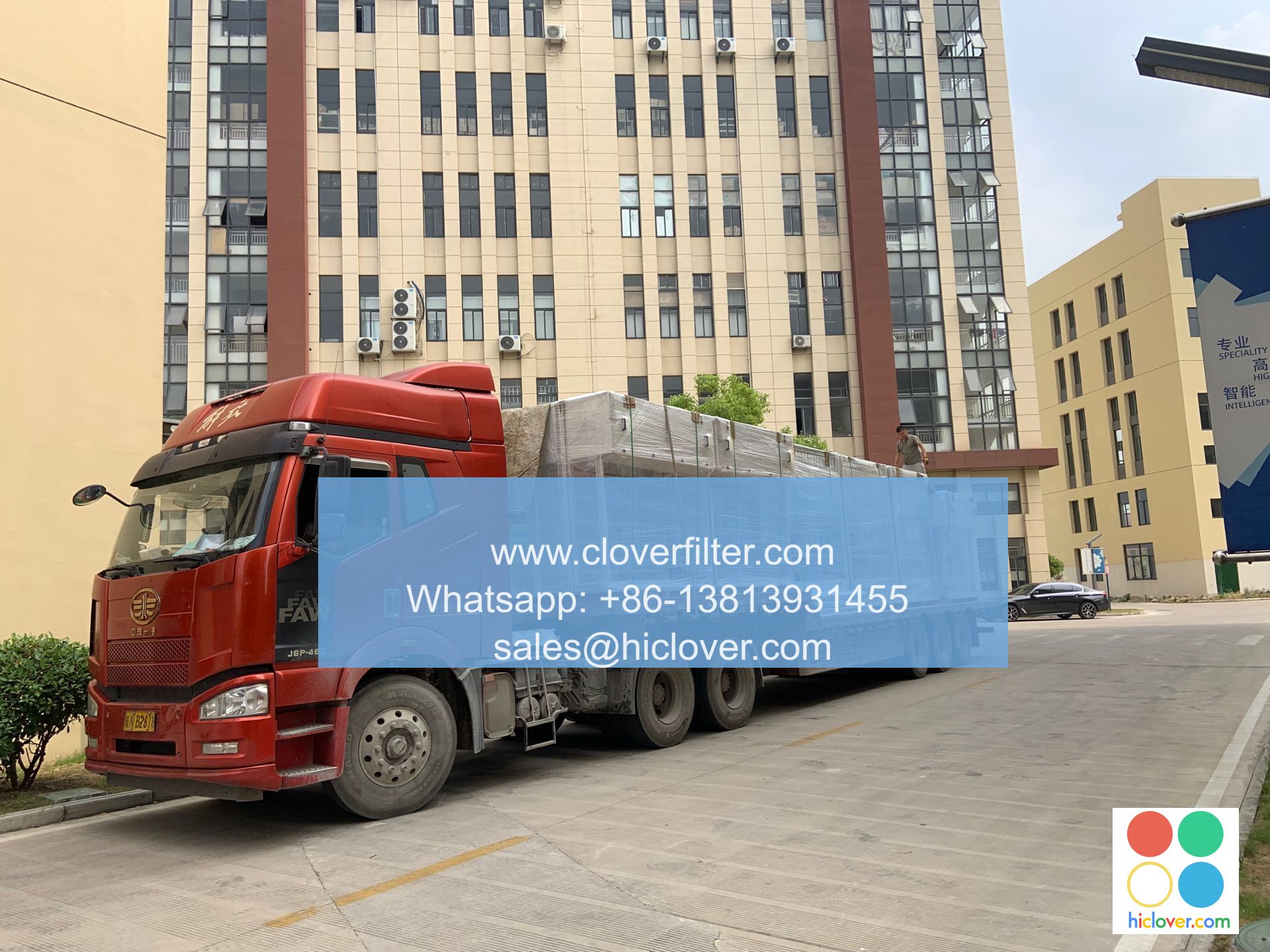
The installation process involved significant upgrades to existing ducts and ventilation systems. Training sessions were held for staff on how to operate and maintain the new filters effectively, emphasizing the importance of routine monitoring and careful data collection.
Application Areas
The implementation of Automatic Roll Air Filters has benefited various application areas within the facilities, including:
- Pharmaceutical Manufacturing: Ensuring the production environment is free from contaminants.
- Research Laboratories: Providing balanced air flow and high filtration efficiency for sensitive experiments.
- Quality Control: Maintaining consistent air quality necessary for accurate testing and analysis.
Results and Outcomes
1. Improved Air Quality
Post-implementation data revealed a significant reduction in airborne contaminants, leading to a more compliant production environment. This not only enhanced overall product quality but also reduced the need for frequent inspections.
2. Cost Savings
Operating costs associated with air filtration decreased substantially due to the efficiency of Automatic Roll Air Filters. Savings were noted in reduced energy consumption and lower filter replacement frequency.
3. Increased Employee Satisfaction
A cleaner work environment contributed to higher employee morale and productivity. Staff reported feeling safer and more focused, as the improved air quality positively affected their health and job satisfaction.
Challenges Faced
While the implementation of Automatic Roll Air Filters yielded many positive outcomes, several challenges were faced, such as adaptation resistance from some employees and the need for ongoing technical support. Continuous training and open communication helped overcome these obstacles.
Conclusion
The implementation of Automatic Roll Air Filters in Sherbrooke’s sterile production facilities is a prime example of how technology can enhance air quality management. The case study underscores the necessity for constant innovation and adaptation in the pharmaceutical industry and its impact on regulatory compliance and operational efficiency.
Acknowledgements
The success of this implementation depended on the collaborative efforts of facilities managers, engineers, and staff dedicated to achieving excellence in sterile production practices.
References
References will be provided upon request to validate the data and findings presented in this case study.
