A Comparison of Air Filtration Systems: Automatic Roll Air Filters vs. Traditional Systems in Ontario Data Centers
Introduction
As the demand for data processing and storage continues to soar, ensuring optimal conditions within data centers becomes increasingly critical. One essential aspect of maintaining these ideal conditions is the air filtration system used to keep equipment cool and functioning efficiently. In Ontario, data centers are evaluating different air filtration technologies, notably automatic roll air filters and traditional systems. This article examines the benefits and drawbacks of both types of filtration systems to help data center operators make informed decisions.

Traditional Air Filtration Systems
Traditional air filtration systems are typically comprised of fixed filters that require manual maintenance. These systems often utilize high-efficiency particulate air (HEPA) filters or fiberglass filters to trap dust, pollen, and other airborne particles from the environment.
One of the primary benefits of traditional systems is their straightforward design, which makes them easy to install and operate. They usually require less initial investment and provide reliable air quality improvement. Furthermore, traditional systems can be tailored to specific needs depending on the type of equipment housed in the data center.
However, traditional air filtration systems present several challenges. Regular maintenance is required, including frequent filter changes, which can lead to increased operational costs and potential downtimes. Additionally, the inefficiency of manual filter changes can result in inconsistent air quality, potentially leading to overheating or system failures.
Automatic Roll Air Filters
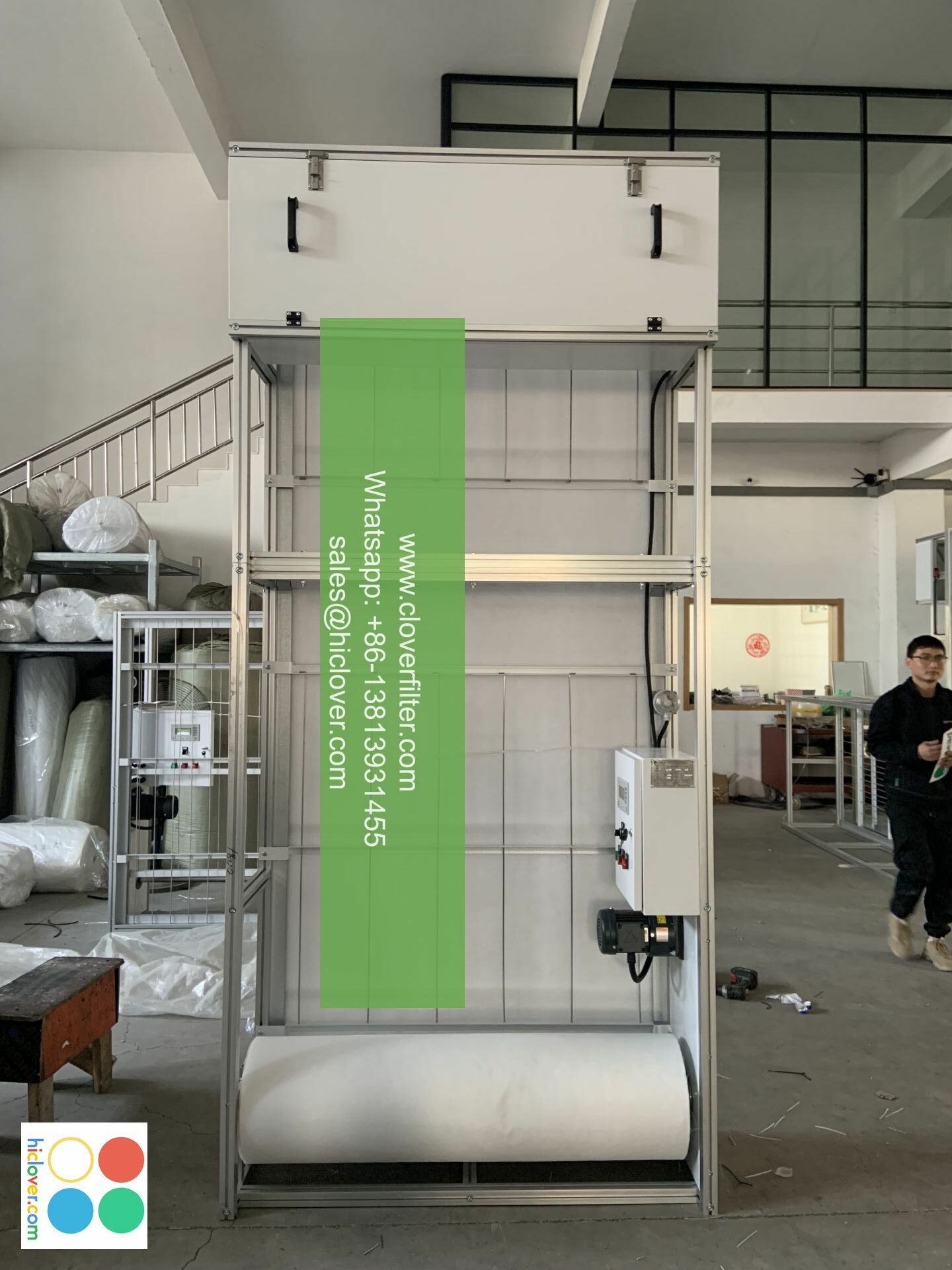
On the other hand, automatic roll air filters are an innovative solution that has gained traction in the industry. These systems employ roll filters that can automatically advance to expose clean sections of the filter media, thereby eliminating the need for manual changes.
The principal advantage of automatic roll air filters lies in their ability to maintain consistent airflow and filter performance without regular manual intervention. This feature significantly reduces downtime and future maintenance costs, ultimately proving more cost-effective in the long run. Moreover, because these filters have a longer lifespan than traditional filters, they contribute to reduced environmental waste.
However, automatic roll air filters do come with higher initial installation costs and may require more complex integration with existing HVAC systems. Moreover, the sophistication of the technology means that troubleshooting and repairs may require specialized skills and knowledge.
Environmental Considerations
Environmental impact is a crucial factor for many data center operators in Ontario. Traditional systems, while cost-effective, can contribute to waste due to frequent filter replacements. On the other hand, automatic roll air filters present a more sustainable option, as they utilize filters with longer lifespans, reducing waste and resource consumption.
Conclusion
In summary, both traditional air filtration systems and automatic roll air filters have their unique advantages and drawbacks. Traditional systems are generally easier to implement and maintain but might lead to higher operational costs due to manual maintenance. In contrast, automatic roll filters offer superior efficiency and reduced long-term costs, but come with higher upfront expenses and installation complexities. Ultimately, the appropriate choice depends on the specific operational needs, budget constraints, and environmental considerations of each data center.
FAQs
- What is the primary benefit of using automatic roll air filters?
- Automatic roll air filters maintain consistent airflow and air quality without the need for frequent manual maintenance, which reduces downtime and operational costs.
- Are traditional air filtration systems completely outdated?
- No, traditional systems still have a place in many data centers, especially those that are smaller or have budget constraints. They are reliable and easy to install.
- How often do traditional air filters need to be changed?
- The frequency of filter changes depends on the environment and usage; typically, filters should be changed every 3 to 6 months, but this can vary.
- What are the initial costs associated with installing automatic roll air filters?
- Initial costs can be higher compared to traditional systems due to the advanced technology and integration required, but they can be offset by lower maintenance costs over time.
