A Comparison of Different Air Filter Types for Industrial Use
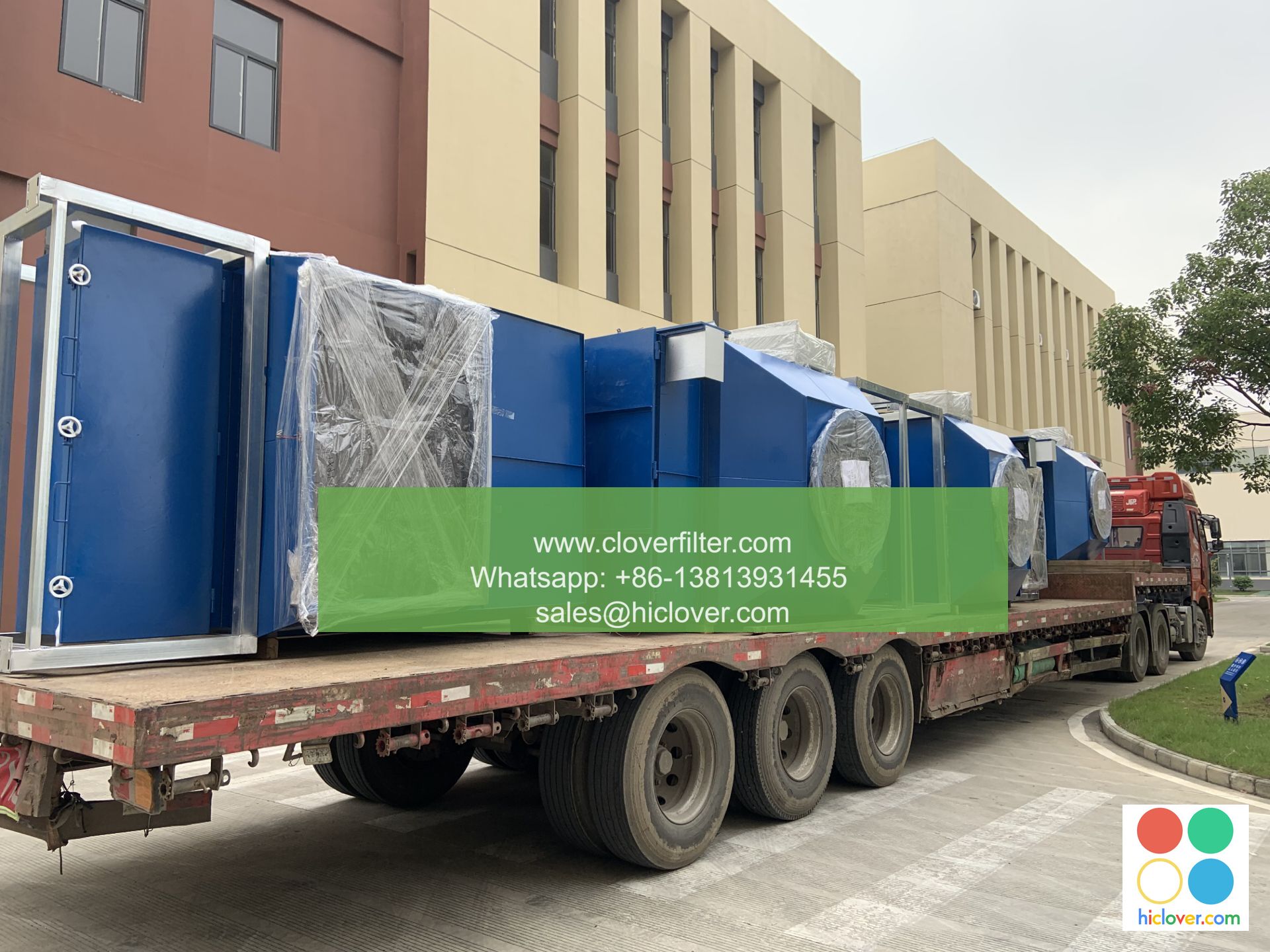
The use of air filters is crucial in industrial settings to maintain a clean and healthy environment, reduce the risk of equipment damage, and prevent the spread of airborne contaminants. With various types of air filters available, it is essential to understand the differences between them to select the most suitable one for specific industrial applications. In this article, we will compare different air filter types, including HEPA filters, activated carbon filters, pre-filters, bag filters, and oil bath filters, highlighting their efficiency, durability, and application areas.
HEPA Filters: High-Efficiency Air Purification
High-Efficiency Particulate Air (HEPA) filters are designed to capture 99.97% of particles as small as 0.3 microns, making them ideal for industries that require high-level air purification, such as pharmaceuticals, biotechnology, and healthcare. HEPA filters are commonly used in laboratories, clean rooms, and operating rooms to prevent the spread of airborne contaminants and maintain a sterile environment.
Activated Carbon Filters: Chemical and Odor Removal
Activated carbon filters are designed to capture chemicals, gases, and odors from the air, making them suitable for industries that involve chemical processing, painting, and coating. These filters are commonly used in industrial kitchens, hospitals, and office buildings to remove unpleasant odors and hazardous chemicals from the air.
Pre-Filters: Protection and Efficiency
Pre-filters are designed to capture larger particles and debris from the air, protecting the main filter from damage and increasing its efficiency. Pre-filters are commonly used in industrial HVAC systems, air handling units, and ventilation systems to prevent clogging and reduce maintenance costs.

Bag Filters: High-Capacity Air Filtration
Bag filters are designed to capture large amounts of dust and debris from the air, making them suitable for industries that involve heavy dust generation, such as construction, mining, and agriculture. Bag filters are commonly used in industrial vacuum cleaners, dust collection systems, and air purification systems to provide high-capacity air filtration.
Oil Bath Filters: Engine and Equipment Protection
Oil bath filters are designed to capture oil mist and particles from the air, making them suitable for industries that involve engine maintenance and equipment repair. These filters are commonly used in industrial engines, gearboxes, and compressors to prevent oil contamination and equipment damage.
Conclusion
In conclusion, the choice of air filter type depends on the specific industrial application and the level of air purification required. By understanding the differences between HEPA filters, activated carbon filters, pre-filters, bag filters, and oil bath filters, industries can select the most suitable filter to maintain a clean and healthy environment, reduce equipment damage, and prevent the spread of airborne contaminants. Whether it’s for high-level air purification, chemical removal, or equipment protection, there is an air filter type that can meet the specific needs of various industrial applications. Prompt
