A Comparison of Different Air Filter Types: Which One is Best for You

When it comes to maintaining good indoor air quality, an effective air filtration system is essential. With various types of air filters available in the market, choosing the right one can be overwhelming. In this article, we will delve into the different types of air filters, their characteristics, and applications to help you decide which one is best suited for your needs.
Types of Air Filters
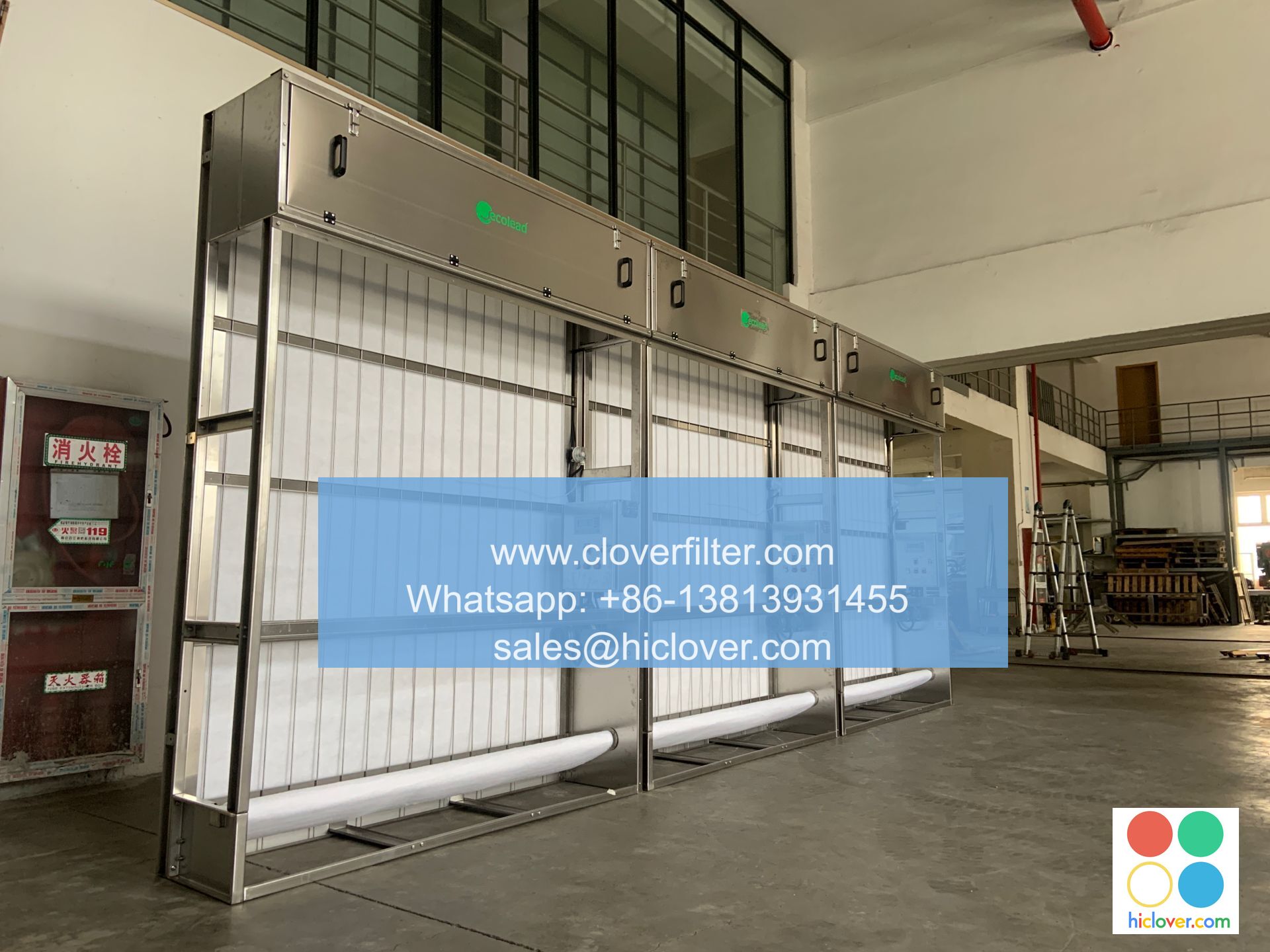
There are several types of air filters, each with its unique features and benefits. Some of the most common types include:
- HEPA (High Efficiency Particulate Air) Filters: These filters are designed to capture 99.97% of particles as small as 0.3 microns, making them ideal for allergy sufferers and asthma patients. HEPA filters are commonly used in home air purifiers, vacuum cleaners, and air conditioning systems.
- Activated Carbon Filters: These filters are designed to remove odors, gases, and chemicals from the air. They are often used in combination with HEPA filters to provide comprehensive air purification. Activated carbon filters are commonly used in air purifiers, water filters, and industrial air filtration systems.
- Ionizers: These filters use negative ions to attract and trap particles, making them a popular choice for small spaces and personal air purifiers. However, they can produce ozone as a byproduct, which can be harmful to human health.
- UV (Ultraviolet) Light Filters: These filters use UV light to kill bacteria, viruses, and other microorganisms in the air. They are commonly used in healthcare facilities, food processing plants, and water treatment systems.
- Pre-Filters: These filters are designed to capture large particles and debris, extending the life of other filters in the system. They are commonly used in industrial air filtration systems, commercial HVAC systems, and residential air purification systems.

Application Areas
Air filters are used in various applications, including:
- Residential air purification: Air filters are used in home air purifiers, HVAC systems, and vacuum cleaners to improve indoor air quality and reduce allergy symptoms.
- Commercial air filtration: Air filters are used in office buildings, restaurants, and other commercial spaces to improve indoor air quality and reduce the risk of airborne illnesses.
- Industrial air filtration: Air filters are used in manufacturing facilities, warehouses, and other industrial spaces to remove pollutants and improve worker health.
- Healthcare facilities: Air filters are used in hospitals, clinics, and other healthcare facilities to prevent the spread of airborne infections and improve patient health.
- Transportation: Air filters are used in vehicles, airplanes, and other modes of transportation to improve air quality and reduce the risk of airborne illnesses.
Factors to Consider When Choosing an Air Filter
When choosing an air filter, there are several factors to consider, including:
- Filter efficiency: Look for filters with high efficiency ratings, such as HEPA filters, to ensure effective removal of pollutants.
- Filter type: Consider the type of filter that best suits your needs, such as activated carbon filters for odor removal or UV light filters for microbial control.
- Filter maintenance: Choose filters that are easy to maintain and replace, such as washable pre-filters or filters with indicator lights.
- Cost: Consider the cost of the filter, as well as the cost of replacement filters and maintenance.
- Application area: Choose a filter that is specifically designed for your application area, such as residential, commercial, or industrial air filtration.
Conclusion
In conclusion, choosing the right air filter can be a daunting task, but by considering the different types of air filters, their characteristics, and application areas, you can make an informed decision. Whether you’re looking for a filter to improve indoor air quality, reduce allergy symptoms, or prevent the spread of airborne illnesses, there’s an air filter out there that’s right for you. Remember to consider factors such as filter efficiency, filter type, filter maintenance, cost, and application area to ensure you choose the best air filter for your needs.
It seems like you forgot to include the prompt. Please go ahead and provide it, and I’ll do my best to assist you!
