A Comprehensive Guide to Air Filter Certification and Standards
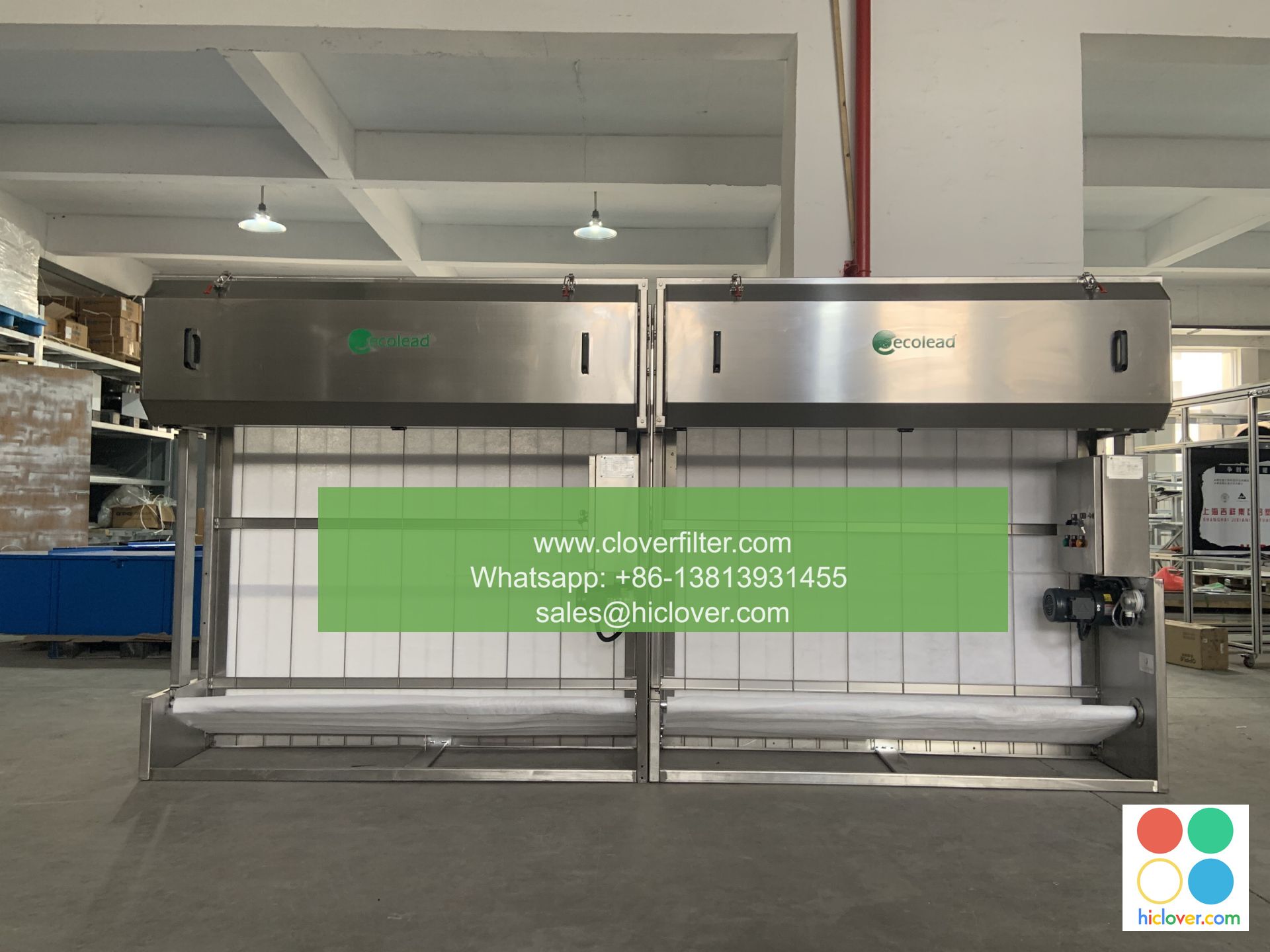
Air filter certification and standards are crucial in ensuring the quality and performance of air filters used in various applications, including industrial air filtration, commercial HVAC systems, and residential air purification. In this article, we will delve into the world of air filter certification and standards, highlighting the key organizations, testing protocols, and application areas.
Introduction to Air Filter Certification
Air filter certification is a process that verifies the performance and quality of air filters, ensuring they meet specific standards and regulations. The certification process involves testing the air filter’s ability to capture particles, prevent airflow restriction, and maintain its structural integrity. The most prominent organizations involved in air filter certification are ASHRAE (American Society of Heating, Refrigerating, and Air-Conditioning Engineers), ISO (International Organization for Standardization), and EN (European Standard).
Key Air Filter Certification Standards
Several standards and certifications are used to evaluate the performance of air filters, including:
* ASHRAE 52.2: This standard sets the criteria for testing and evaluating the performance of air filters in industrial air filtration and commercial HVAC systems.
* ISO 16890: This international standard provides a comprehensive framework for testing and evaluating the performance of air filters, including their ability to capture particles and prevent airflow restriction.
* EN 779:2012: This European standard sets the requirements for air filter testing and evaluation, including their ability to capture particles and maintain their structural integrity.
Application Areas for Air Filter Certification
Air filter certification is essential in various application areas, including:
* Industrial Air Filtration: Air filters are used to capture particles and prevent contamination in industrial processes, such as pharmaceutical manufacturing, food processing, and electronical manufacturing.
* Commercial HVAC Systems: Air filters are used to improve indoor air quality and prevent the spread of airborne diseases in office buildings, hospitals, and schools.
* Residential Air Purification: Air filters are used to improve indoor air quality and prevent the spread of airborne diseases in homes and apartments.
* Transportation: Air filters are used to improve air quality in vehicles, such as cars, buses, and trains.
* Aerospace: Air filters are used to improve air quality in aircraft and spacecraft.

Benefits of Air Filter Certification
Air filter certification offers several benefits, including:
* Improved Indoor Air Quality: Certified air filters ensure the removal of particles and pollutants, improving indoor air quality and preventing the spread of airborne diseases.
* Increased Energy Efficiency: Certified air filters can help reduce energy consumption by minimizing airflow restriction and preventing overheating.
* Extended Equipment Life: Certified air filters can help extend the life of equipment by preventing contamination and reducing wear and tear.
* Compliance with Regulations: Air filter certification ensures compliance with regulations and standards, reducing the risk of non-compliance and associated penalties.
Conclusion
In conclusion, air filter certification and standards are crucial in ensuring the quality and performance of air filters used in various applications. By understanding the key organizations, testing protocols, and application areas, individuals can make informed decisions when selecting air filters for their specific needs. Whether it’s for industrial air filtration, commercial HVAC systems, or residential air purification, air filter certification is essential in ensuring improved indoor air quality, increased energy efficiency, and extended equipment life. It seems like you’re ready to start a conversation or ask a question, but you haven’t provided any details yet. What’s on your mind? Would you like to discuss a specific topic, ask for advice, or perhaps explore a particular subject? I’m here to help with any questions or topics you’d like to discuss!
