A Comprehensive Guide to Automatic Intake Filters for Telecom Equipment
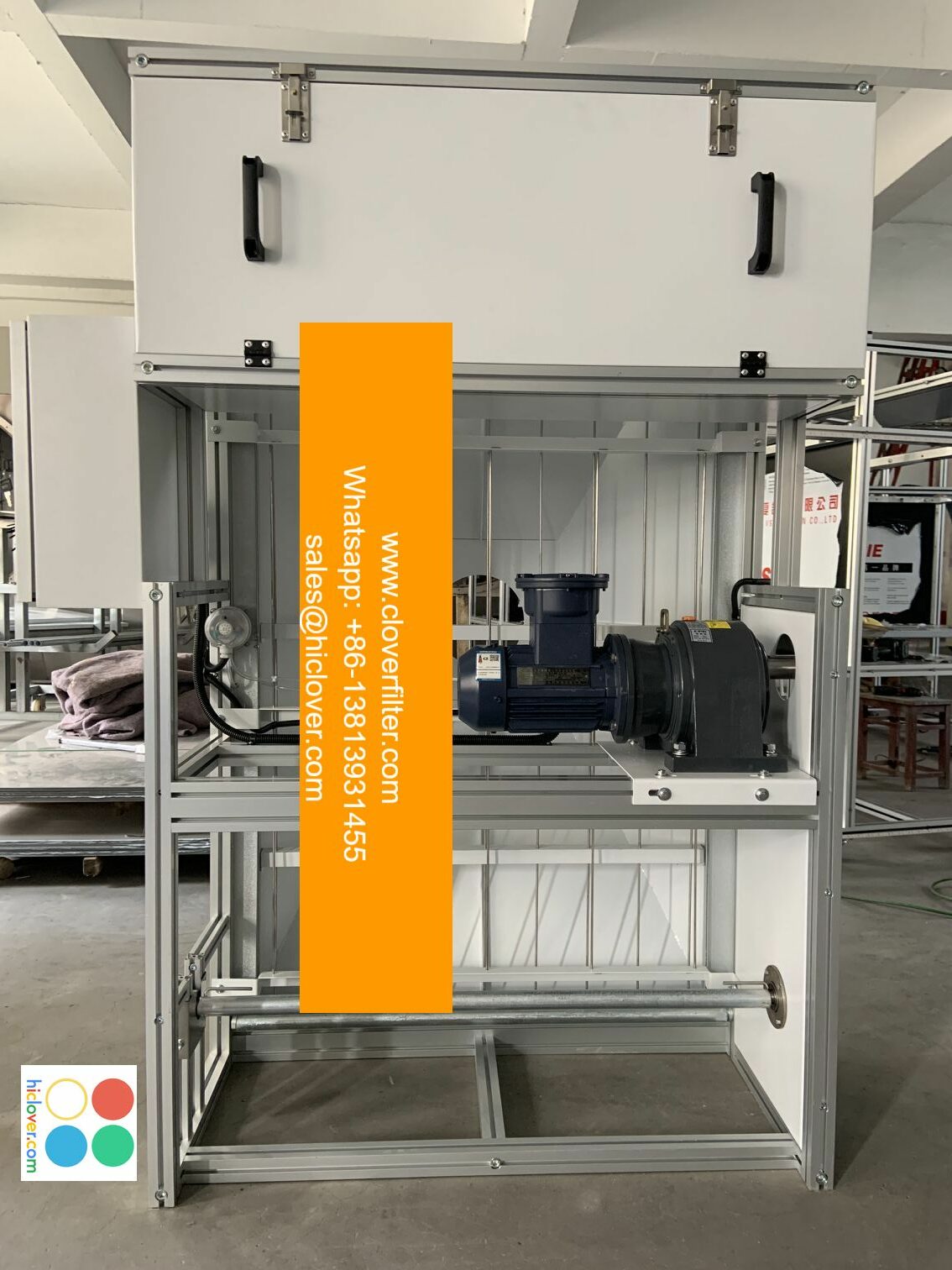
In the realm of telecom equipment, maintaining optimal performance and extending the lifespan of sensitive components are crucial. One of the most effective ways to achieve this is through the utilization of automatic intake filters. These filters play a key role in ensuring clean air intake, which is vital for cooling systems and overall equipment functionality. This guide aims to delve into the features, benefits, and specific application areas of automatic intake filters in telecommunications.
What Are Automatic Intake Filters?
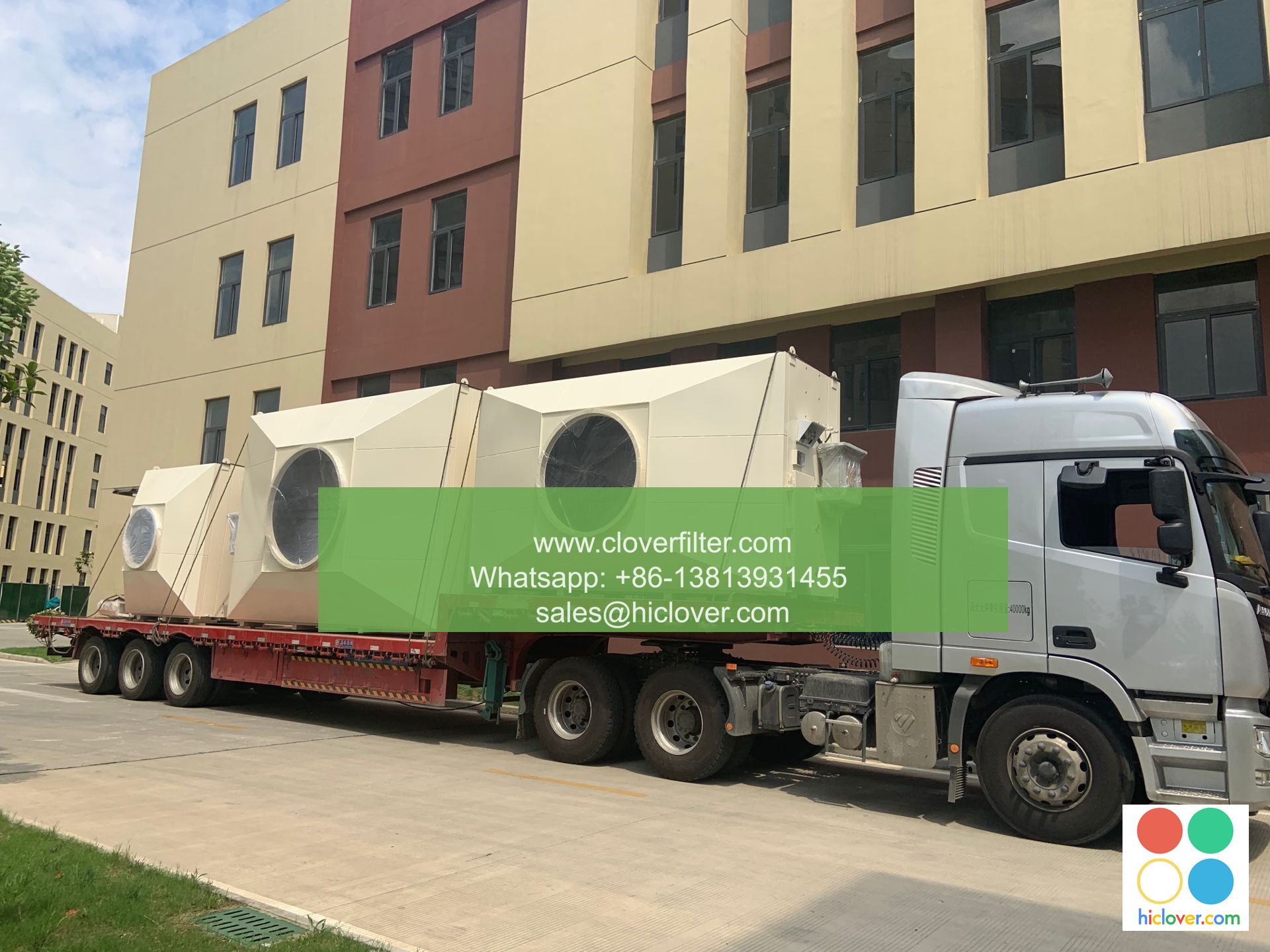
Automatic intake filters are specialized devices designed to filter out particulate matter and contaminants from the air entering telecom cabinets and server rooms. By doing so, they help maintain clean airflow and regulate temperature, crucial for preventing equipment failure due to overheating or contamination.
Key Features of Automatic Intake Filters
- Self-Cleaning Technology: Many modern filters come equipped with self-cleaning mechanisms, reducing maintenance requirements.
- High Filtration Efficiency: These filters can capture particles as small as 0.3 microns, offering superior protection compared to conventional filters.
- Variable Airflows: Designed to handle varying airflow demands, automatic filters adapt based on the cooling needs of the telecom equipment.
- Remote Monitoring: Some systems offer remote monitoring capabilities for real-time assessment of filter conditions and performance analytics.

Benefits of Using Automatic Intake Filters
The integration of automatic intake filters into telecom equipment systems presents numerous benefits, including:
1. Enhanced Equipment Longevity
By removing harmful dust and debris, automatic intake filters significantly reduce wear and tear on critical components. This prolongs the operational life of expensive telecom hardware.
2. Improved Cooling Efficiency
Maintaining optimal temperature is essential for telecom equipment. Clean airflow ensures that cooling systems function efficiently, thus improving overall system reliability.
3. Reduced Operational Costs
With less downtime and fewer maintenance interventions required, companies can save on operational costs associated with repairs and replacements.
4. Environmental Sustainability
Modern filters are designed to minimize waste by employing reusable components, aligning with corporate sustainability goals.
Applications of Automatic Intake Filters
Automatic intake filters find a variety of applications within the telecommunications sector, enhancing operational performance in numerous context.
1. Data Centers
In data centers where multiple servers generate substantial heat, these filters maintain adequate airflow and temperature control, ensuring peak performance.
2. Base Stations
Telecom base stations located in remote or harsh environments benefit from these filters, safeguarding critical equipment against dust, sand, and other contaminants.
3. Micro Cell Towers
With the advent of 5G technology, micro cell towers are becoming increasingly prevalent. Automatic intake filters protect these compact systems from environmental pollutants.
4. Indoor Telecom Cabinets
In indoor installations, automatic intake filters help promote air circulation within telecom cabinets, maintaining an ideal environment for sensitive electronics.
Conclusion
Automatic intake filters serve as an integral component in the maintenance and operation of telecom equipment. With their advanced features and numerous benefits, they ensure efficient performance across various applications. By investing in quality intake filters, businesses can safeguard their telecom infrastructures, enhance equipment longevity, and ultimately drive operational excellence.
It seems like your message got cut off. Could you please provide more details about what you’re looking for in the prompt? Whether it’s a creative writing prompt, a question, or something else, I’m here to help!
