A Comprehensive Guide to Common Air Filter Components
- Understand the main components of air filters.
- Learn how Automatic Roll Air Filters improve efficiency and reduce maintenance.
- Compare different air filter types to find the best fit for your application.
- Discover practical selection criteria for optimal performance.
- Avoid common mistakes in air filter implementation and maintenance.
- Explore real-world scenarios where air filter solutions have made a significant impact.
- Understand compliance references such as MERV and ISO 16890.
- Airflow Range: Ensure the filter can accommodate the system’s airflow capacity.
- Face Velocity: Select a velocity that works with your application while minimizing energy consumption.
- Media Width/Length: Customize dimensions to fit within existing infrastructure.
- Frame Size: Make sure the filter offers a snug fit within the designated housing to prevent air bypass.
- Control Options: Determine if simple user controls or more complex automated options are necessary.
- Power Supply: Assess compatibility with the facility’s electrical system.
- Installation Location: Identify the optimal placement to maximize filter performance.
- Selecting the wrong size filter, leading to air bypass.
- Ignoring differential pressure values, resulting in inefficient filtration.
- Failing to preemptively replace filters, which can affect air quality.
- Underestimating the impact of installation location on performance.
- Overlooking maintenance schedules, resulting in run-to-failure scenarios.
- Not considering the original manufacturer’s specifications when choosing replacements.
- Assuming all filter media types are created equal without accounting for environmental factors.
- Neglecting remote monitoring solutions that can improve operational efficiency.
- Misjudging the cost of ownership vs. profit from energy savings.
- Failing to involve multiple stakeholders in decision-making, leading to misaligned expectations.
- Familiarize yourself with the various air filter parts for informed decision-making.
- Explore Automatic Roll Air Filters for efficiency and maintenance reduction.
- Consider technical specifications like airflow rate and filter type before selection.
- Avoid common pitfalls to enhance filter performance and longevity.
- Review real-world applications to understand better how filters function in your industry.
What is an Automatic Roll Air Filter?
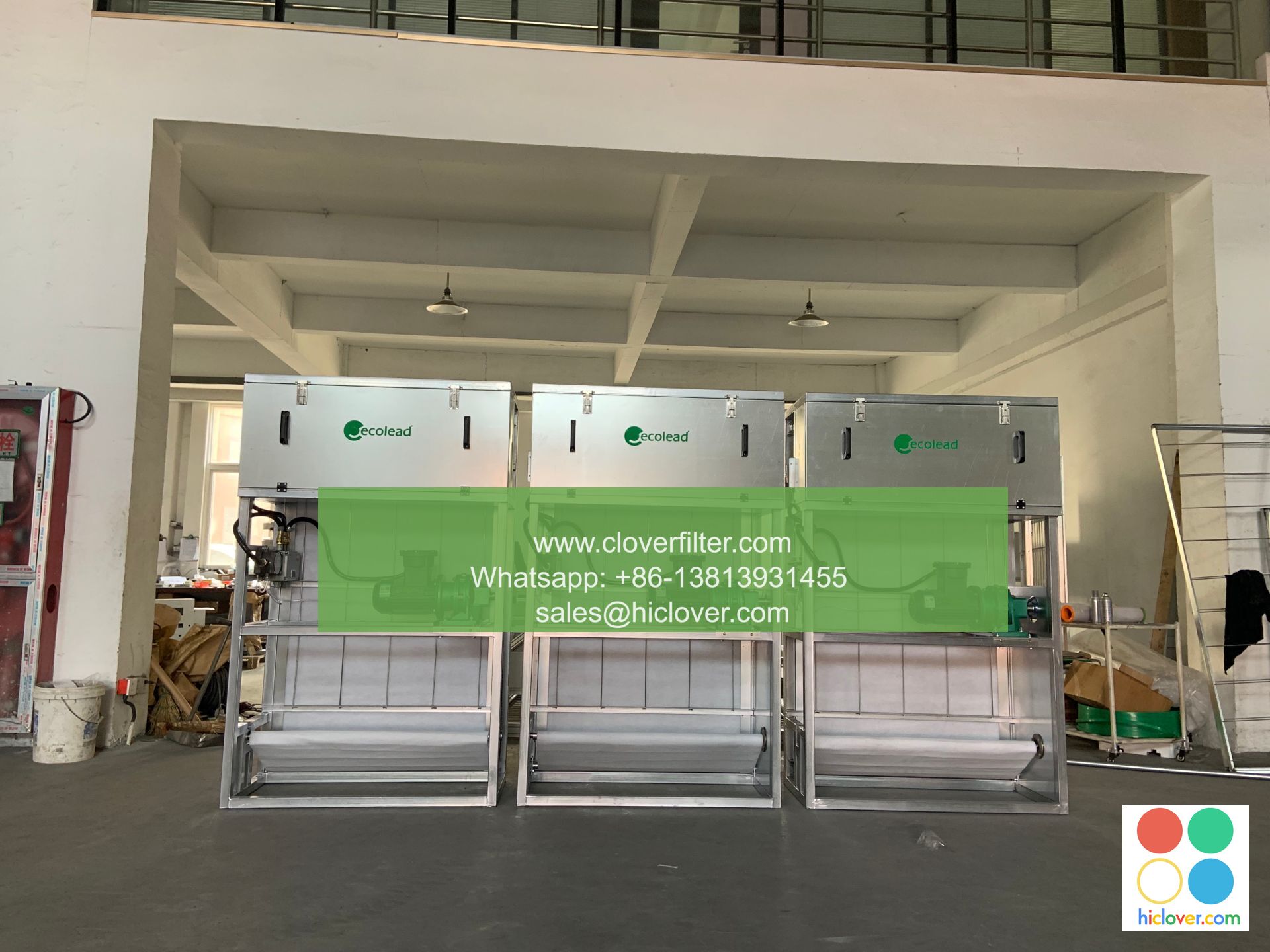
An Automatic Roll Air Filter is designed specifically for industrial applications, featuring a unique roll media system that advances automatically. This innovation allows for continuous operation without the need for frequent manual replacement of filters. The system is equipped with a differential pressure trigger, which activates the media roll based on airflow resistance. When the resistance exceeds a preset level, the filter automatically advances to present a fresh section of media, ensuring optimal particulate control.

In HVAC systems, including Air Handling Units (AHUs), these filters play a crucial role in maintaining clean air. They are often installed in fresh air intakes and return ducts, offering a reliable solution for air quality management across various industrial sectors, such as data centers and lithium battery plants.
Air Filter Parts: Components Explained
The efficiency and effectiveness of an air filter hinge on several key components. Understanding these air filter parts can significantly enhance your procurement and engineering decisions.
Filter Media
The filter media is essential in trapping particulate matter and contaminants. In an Automatic Roll Air Filter, this media rolls forward, allowing for consistent and uninterrupted airflow.
Frame
The frame provides structural support for the filtration media. Its design influences the ease of installation and durability of the filter. Select a robust frame that can withstand the operational demands of your setting.
Differential Pressure Sensor
This component monitors the resistance created by particles accumulating on the filter. When the pressure reaches a defined threshold, it triggers the media advancement, ensuring the filter maintains optimal airflow.
Control Panel
The control panel manages the filter’s operation, including mode selection, timing, and manual override options. Modern panels may include advanced features like connectivity for remote monitoring.
Power Supply
Understanding the requirements for power supplies, especially in sensitive operations like cleanrooms, is crucial. Different filters have varying electrical needs, often based on their size and automation features.
Installation Location
The installation environment impacts performance outcomes. Factors like face velocity and airflow need to be considered based on whether the filter is positioned in a fresh air intake, return line, or specific process applications.
Practical Air Filter Selection Guide
When selecting an air filter for your facility, consider the following criteria:
Comparison of Air Filter Types
Here’s a practical comparison of air filter parts across various filter types:
| Filter Type | Best Use Case | Maintenance | Pressure Drop Behavior | Operating Cost | Typical Risk/Downside |
|---|---|---|---|---|---|
| Automatic Roll Air Filter | High-efficiency industrial settings | Low (automated) | Predictable and stable | Moderate | Initial setup cost |
| Bag Filter | Heavy dust load areas | Moderate | Moderate | Moderate | Clogging during peak loads |
| Panel Filter | Standard office environments | High | Higher than others | Low to Moderate | Frequent replacements needed |
| V-bank Filter | Large commercial spaces | Moderate | Variable | Moderate | Reduced efficiency over time |
Common Mistakes & How to Avoid Them
Real-World Scenarios
Data Center
In a data center, maintaining optimal temperatures and air quality is critical. By implementing Automatic Roll Air Filters from CloverFilter, engineers reduced their operational energy costs while ensuring compliance with stringent air quality standards.
Lithium Battery Factory
A lithium battery factory faced concerns over particulate contaminating sensitive areas. Implementing CloverFilter’s roll media technology enabled the facility to achieve higher MERV ratings, significantly improving air cleanup during manufacturing processes.
Paint Shop
In a paint shop, airborne particulates can compromise product quality. The introduction of Automatic Roll Air Filters helped to streamline the air quality control process, reducing maintenance downtime while keeping operations compliant with industry regulations.
Textile and Steel/Cement Plants
Textile and steel/cement plants often deal with high levels of dust and particulates. The use of robust air filtration systems from CloverFilter resulted in noticeable improvements in air quality, worker safety, and overall compliance with environmental standards.
Key Takeaways
Meta Description: Discover the essential air filter parts and how Automatic Roll Air Filters improve efficiency and reduce maintenance in industrial settings.
For further inquiries about advanced air filtration solutions, connect with CloverFilter at CloverFilter Contact. Your air quality solutions start here.
It seems like you entered “Prompt” without any specific context or additional information. How can I assist you today? If you have a particular topic or question in mind, please let me know!
