A Comprehensive Guide to Roll Media Dust Filter Maintenance

Dust filters are essential components in maintaining air quality across various industries. Among the different types of filters, roll media dust filters are favored for their efficiency and effectiveness. However, they require regular maintenance to ensure optimal performance. This comprehensive guide outlines best practices for maintaining roll media dust filters, allows you to maximize their lifespan, and highlights various application areas where these filters excel.
Understanding Roll Media Dust Filters
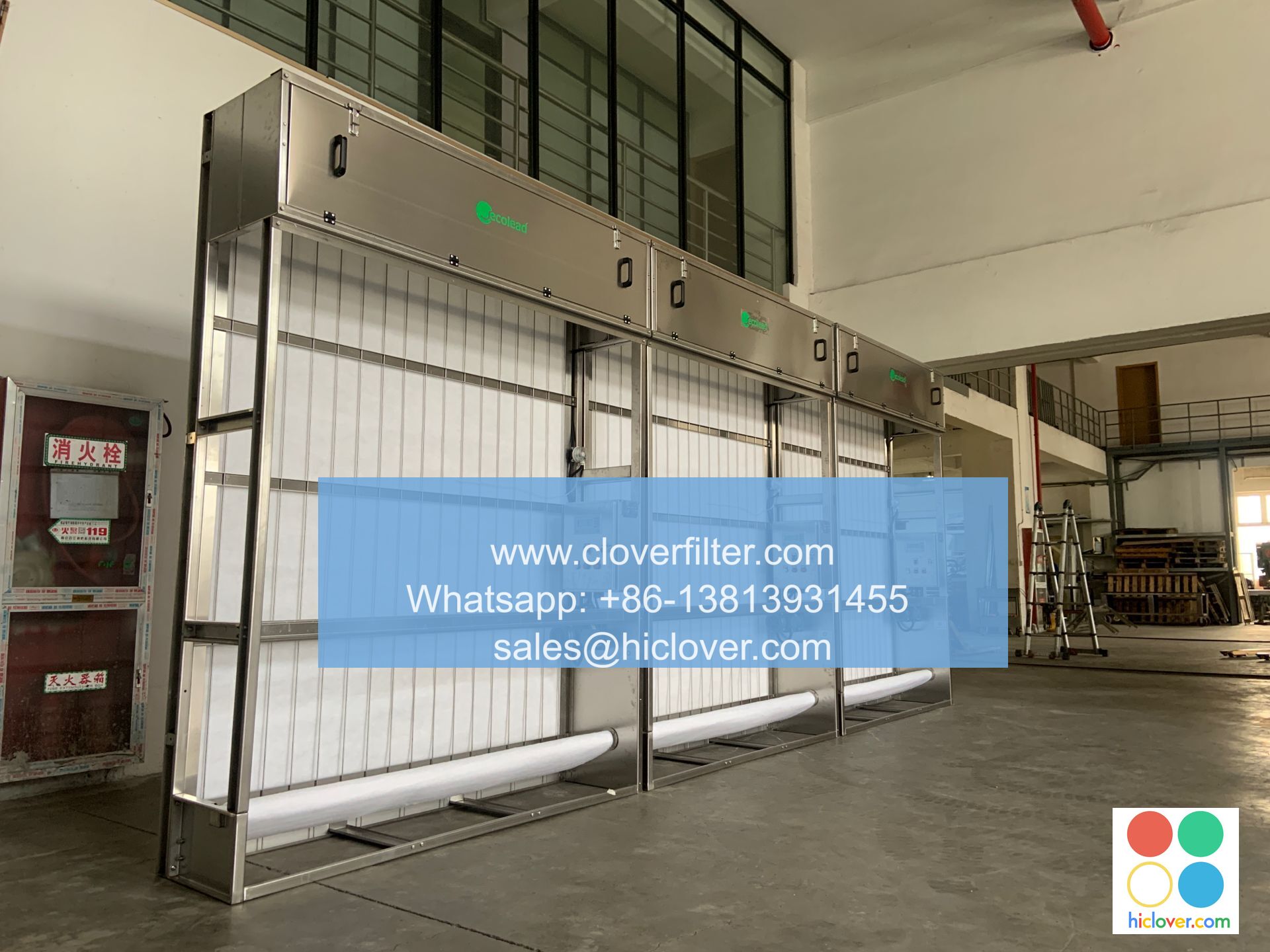
Roll media dust filters are designed to capture airborne particles in industrial settings. These filters consist of a continuous roll of filtration material, which effectively traps dust and pollutants while allowing clean air to pass through. They are commonly used in various applications, including:
- Manufacturing Facilities: Help maintain air quality in environments with heavy machinery.
- Pharmaceutical Plants: Ensure compliance with strict air cleanliness standards.
- Woodworking Shops: Capture sawdust and other particulate matter.
- Food Processing: Maintain hygiene by filtering out contaminants.
Importance of Regular Maintenance
Maintaining roll media dust filters is crucial for several reasons:
- Efficiency: Regular maintenance helps sustain filter efficiency, ensuring minimal resistance to airflow.
- Cost-effectiveness: Properly maintained filters lead to reduced energy costs and fewer replacements.
- Safety Compliance: Well-maintained filters are essential for meeting industry-specific health and safety regulations.
Steps for Effective Maintenance
1. Regular Inspection
Perform routine inspections of roll media dust filters to detect any signs of wear or damage. Check for:
- Physical Damage: Look for tears or holes in the filter material.
- Dust Accumulation: Assess if the filter is clogged with dust, which can impede air flow.
- Seal Integrity: Ensure that seals surrounding the filter are intact to prevent air bypass.
2. Clean or Replace Filters
Depending on the level of dust accumulation and operational requirements, you may opt to either clean or replace filters:
- Cleaning: For lightly soiled filters, use compressed air to blow out accumulated dust from the filter surface. Ensure the air pressure is suitable to avoid damaging the filter.
- Replacement: If filters are heavily contaminated, they should be replaced. Always follow the manufacturer’s specifications regarding the type and size of replacement filters.
3. Monitor Air Quality
Install monitoring systems to continuously evaluate air quality within your facility. This will help in identifying when filters require maintenance or replacement. Many modern systems come equipped with:
- Dust Level Sensors: Provide real-time data on particulate concentration in the air.
- Flow Rate Monitors: Measure air flow rates to spot potential blockages.
4. Schedule Routine Maintenance
Establish a routine maintenance schedule to avoid unexpected breakdowns. This should include:
- Monthly Inspections: A quick check for any glaring issues.
- Quarterly Cleaning or Replacement: A thorough clean or replacement of the filters depending on the buildup of dust and usage conditions.
- Annual Check-Up: A comprehensive inspection involving professional services.
Application Areas for Roll Media Dust Filters
Industrial Manufacturing
In manufacturing settings, roll media dust filters play a critical role in protecting machinery and ensuring a safe working environment. By effectively capturing dust from processes, they reduce wear and tear on equipment, thus increasing operational efficiency.
Construction Sites
Roll media dust filters are essential for controlling dust emissions during construction activities. They help in reducing the inhalation of harmful particles, contributing to the health and safety of workers and nearby communities.
Electronics Manufacturing
In the electronics industry, dust can cause serious defects. Roll media dust filters help maintain a clean production environment, resulting in higher quality outputs and reduced waste.
Agriculture
In agricultural settings, roll media dust filters are used in grain handling facilities to manage dust and protect both workers and the quality of products.
Conclusion
Maintaining roll media dust filters is not only essential for air quality but also for operational efficiency across various industries. By following the steps outlined in this guide, you can extend the life of your filters, ensure compliance with health and safety regulations, and maintain a cleaner environment. Regular inspections, cleaning or replacement, and proactive monitoring will help keep your dust filtration system operating at peak performance.
Additional Resources
For further reading and resources on dust filter maintenance, consider the following:
- Manufacturer user manuals
- Industry standards for air quality
- Online forums and webinars on filtration technologies
By investing in proper maintenance, your roll media dust filters will perform optimally, paving the way for cleaner and healthier industrial environments.
It seems you might be asking for a prompt for writing, brainstorming, or some other creative endeavor. Could you please specify the type of prompt you’re looking for? Here are a few categories to consider:
- Creative Writing: A story starter or theme idea.
- Poetry: A line or concept to inspire a poem.
- Art: A visual concept or scene to illustrate.
- Personal Reflection: A question or statement to inspire self-exploration.
Let me know what you’re interested in, and I’ll provide a tailored prompt!
