A Cost-Benefit Analysis of Automatic Roll Air Filters for Western University Labs
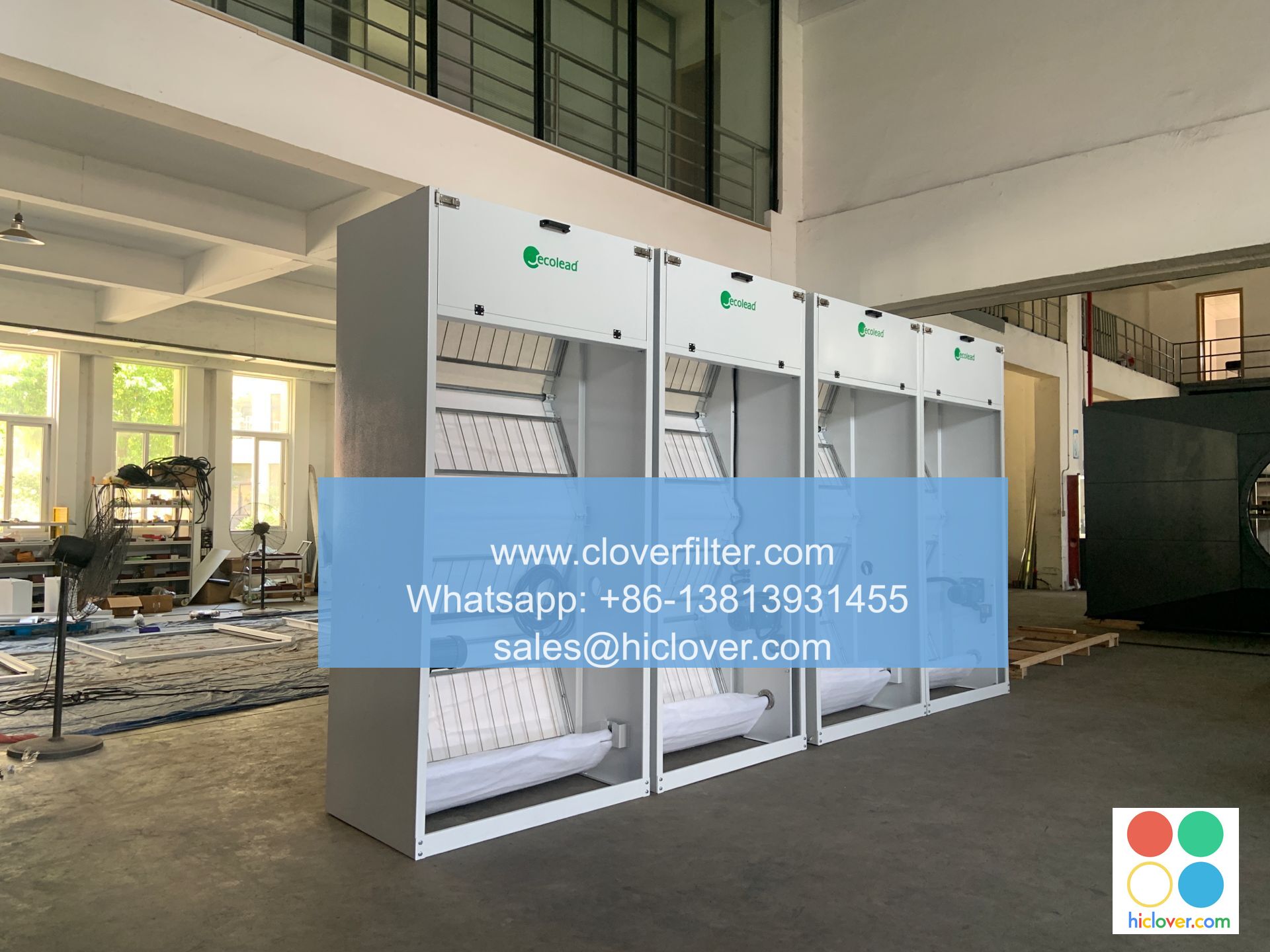
In academic research environments, maintaining air quality and ensuring optimal working conditions is paramount. Automatic roll air filters represent a modern solution for enhancing air quality in Western University labs. This article presents a comprehensive cost-benefit analysis of their implementation, considering various application areas including chemical, biological, and physical labs.
Understanding Automatic Roll Air Filters
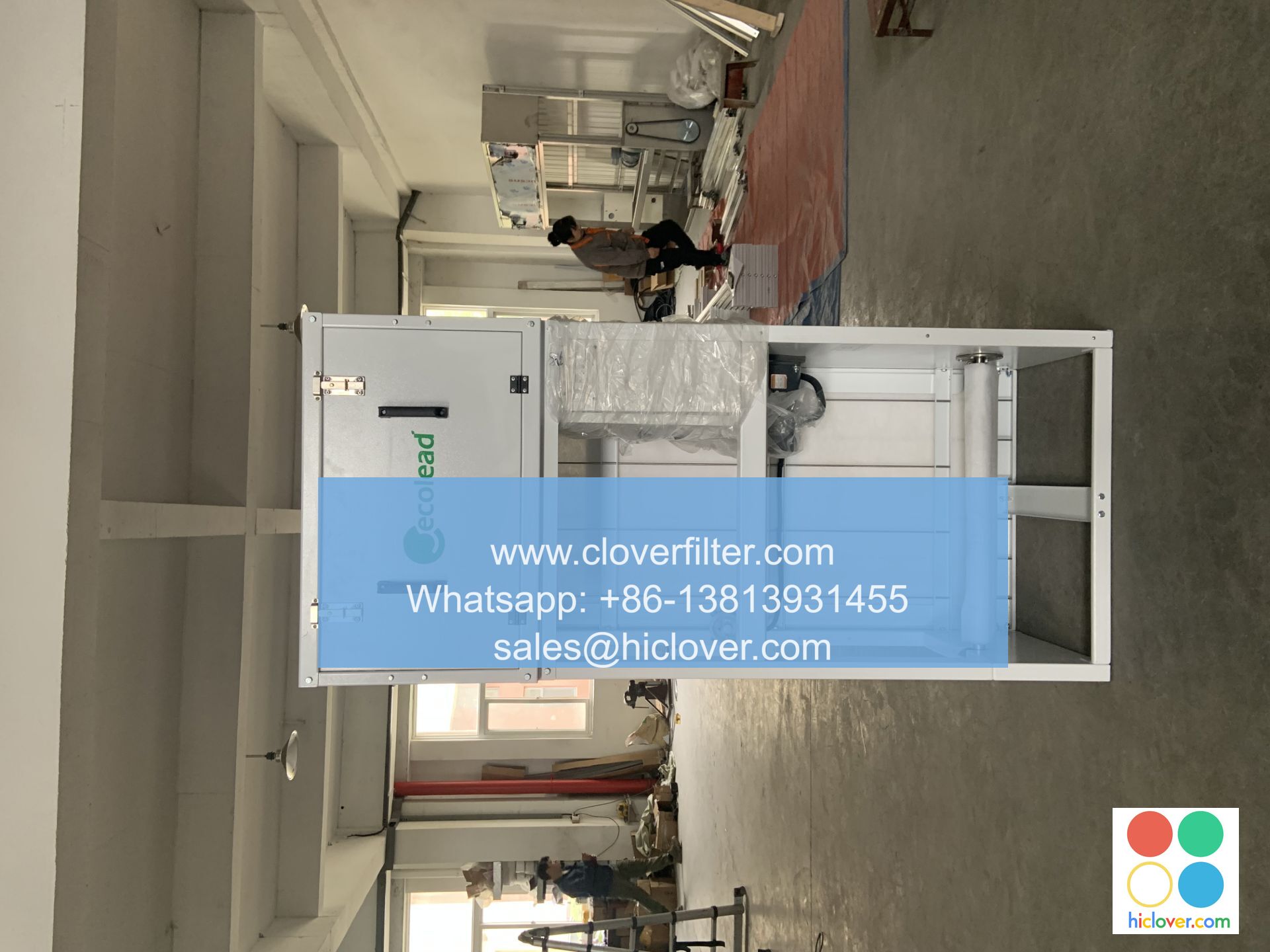
Automatic roll air filters are advanced air filtration systems designed to continuously remove airborne particulates and contaminants. They operate by utilizing a rolling mechanism to change filter media automatically, ensuring consistent air quality without requiring manual intervention. These filters are particularly beneficial for environments where precision and safety are crucial.
Key Features of Automatic Roll Air Filters
- Efficiency: High particle removal rates, ensuring labs meet safety and health standards.
- Automation: Reduces manpower required for filter changes.
- Cost-Effectiveness: Long-term savings through energy efficiency and reduced manual labor.
- Monitoring: Integrated sensors track air quality and filter condition in real-time.

Application Areas in Western University Labs
1. Chemical Labs
In chemical labs, the presence of hazardous fumes and airborne particles is a significant concern. Automatic roll air filters can be instrumental in:
- Reducing exposure to chemical vapors and particulate matter.
- Ensuring compliance with safety regulations.
- Minimizing the risk of contamination in sensitive experiments.
2. Biological Labs
Biological laboratories require stringent air quality controls to protect both the researchers and experimental samples. Benefits include:
- Decreasing the risk of biological contamination through effective filtration.
- Enhancing safety for personnel working with infectious agents.
- Providing a clean environment crucial for cell culture and microbiological work.
3. Physical Labs
In physics labs, air quality may impact sensitive instruments and experiments. Implementing these filters can:
- Protect delicate equipment from dust and particulate build-up.
- Improve the accuracy of measurements that could be affected by environmental conditions.
- Enhance the overall working environment for researchers.
Cost-Benefit Analysis
Initial Costs
The implementation of automatic roll air filters involves several initial costs:
- Purchase and Installation: Depending on the size and specifications, costs can vary significantly.
- Training for Staff: Ensuring lab personnel are trained in using and maintaining the filters.
- Infrastructure Adjustments: Possible costs associated with modifying existing HVAC systems to integrate new filters.
Long-Term Benefits
-
Reduced Labor Costs: Automating filter changes minimizes the ongoing labor associated with manual replacements, freeing staff for more critical tasks.
-
Increased Energy Efficiency: High-efficiency filters can lead to lower energy costs, making them a fiscally responsible choice over time.
-
Enhanced Research Productivity: Improved air quality leads to fewer interruptions and higher productivity levels in research activities.
-
Compliance and Safety: Reduced exposure to harmful particles and gases can decrease health-related expenses and enhance the university’s reputation for safety.
Return on Investment
Calculating the return on investment (ROI) for automatic roll air filters involves weighing the initial financial outlay against long-term savings and benefits. While start-up costs can be significant, over a period of several years, the cumulative savings in labor, energy, and compliance can yield a favorable ROI.
Conclusion
The deployment of automatic roll air filters in the labs of Western University presents a compelling case supported by both qualitative and quantitative factors. By enhancing air quality, ensuring compliance with health standards, and ultimately contributing to a safer research environment, the investment in automatic air filters can be seen as not only a prudent decision but a necessary one for the advancement of research in various disciplines.
Call to Action
As Western University continues to prioritize research excellence, the administration should seriously consider the implementation of automatic roll air filters across its laboratory spaces. A thorough evaluation of their benefits versus costs will highlight their potential to significantly enhance research quality and operational efficiency.
