A Deep Dive into Automatic Roll Intake Filters for Radar Communication
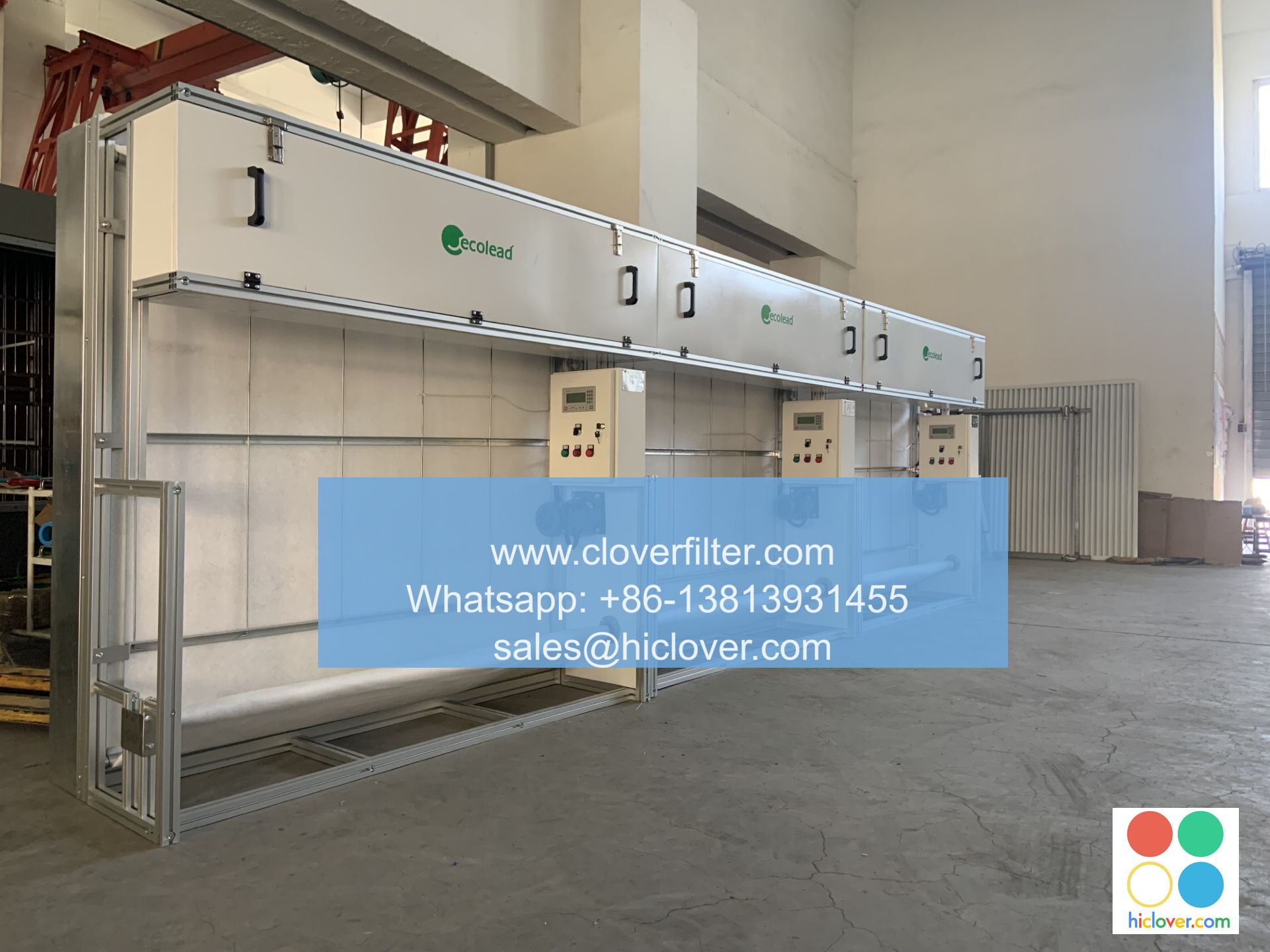
Radar communication has revolutionized various fields, from air traffic control to weather forecasting. One of the crucial components enhancing the performance and reliability of radar systems is the Automatic Roll Intake Filters. This article will explore how these filters work, their benefits, and their various applications in radar communication.
Understanding Automatic Roll Intake Filters

Automatic Roll Intake Filters are specialized devices designed to improve the quality of radar signals received in complex environments. By filtering out unwanted noise and interference, these filters enable radar systems to achieve clearer and more reliable communication.
How Do Automatic Roll Intake Filters Work?
The operational mechanism behind these filters involves a combination of electronic components and sophisticated algorithms that continuously analyze incoming signals. Essentially, the filter will:
- Detect unwanted signals and noise,
- Automatically adjust to conditions in real-time,
- Maintain optimal performance despite environmental changes.
- Enhanced Signal Quality: These filters significantly enhance the reception quality by minimizing interference from other electronic devices.
- Increased Reliability: The adaptability of the filters ensures consistent performance in various environments, leading to fewer false positives and more accurate data.
- Improved Detection Capabilities: With high-quality signals, radar systems can better identify and track moving objects, which is critical in applications like aviation and maritime navigation.

Benefits of Using Automatic Roll Intake Filters
Integrating Automatic Roll Intake Filters into radar communication systems offers numerous advantages, including:
Application Areas of Automatic Roll Intake Filters
The versatility of Automatic Roll Intake Filters is evident across multiple sectors. Below are several key application areas:
Aviation
In the aviation industry, these filters play a vital role in enhancing safety and communication during flight operations. By ensuring clear radar signals, air traffic controllers can provide pilots with accurate navigation information, reducing the risk of accidents.
Maritime Navigation
In maritime applications, Automatic Roll Intake Filters help vessels accurately detect nearby ships and obstacles, contributing to safe navigation in crowded waters. The filters enhance radar performance under adverse weather conditions, ensuring continuous monitoring.
Weather Forecasting
Weather radar systems utilize these filters to distinguish between precipitation types, aiding in meteorological predictions. This capability is crucial for storm tracking and providing timely weather alerts to the public.
Defense and Military
In defense applications, reliable radar communication is paramount. Automatic Roll Intake Filters improve target tracking and surveillance capabilities, providing the military with a tactical advantage.
Conclusion
Automatic Roll Intake Filters represent a significant advancement in radar communication technology. By enhancing signal quality and adaptability, these filters have broad application potential, from aviation and maritime navigation to weather forecasting and military operations. As technology continues to evolve, the integration and sophistication of such filtering systems will undoubtedly enhance the reliability of radar systems worldwide.
It looks like you may have some text or a question in mind, but I need a bit more detail to help you out. Could you please provide more context or clarify what you would like assistance with?
