A Deep Dive into Automatic Roll Ventilation Filters: Efficiency in Poultry Facilities
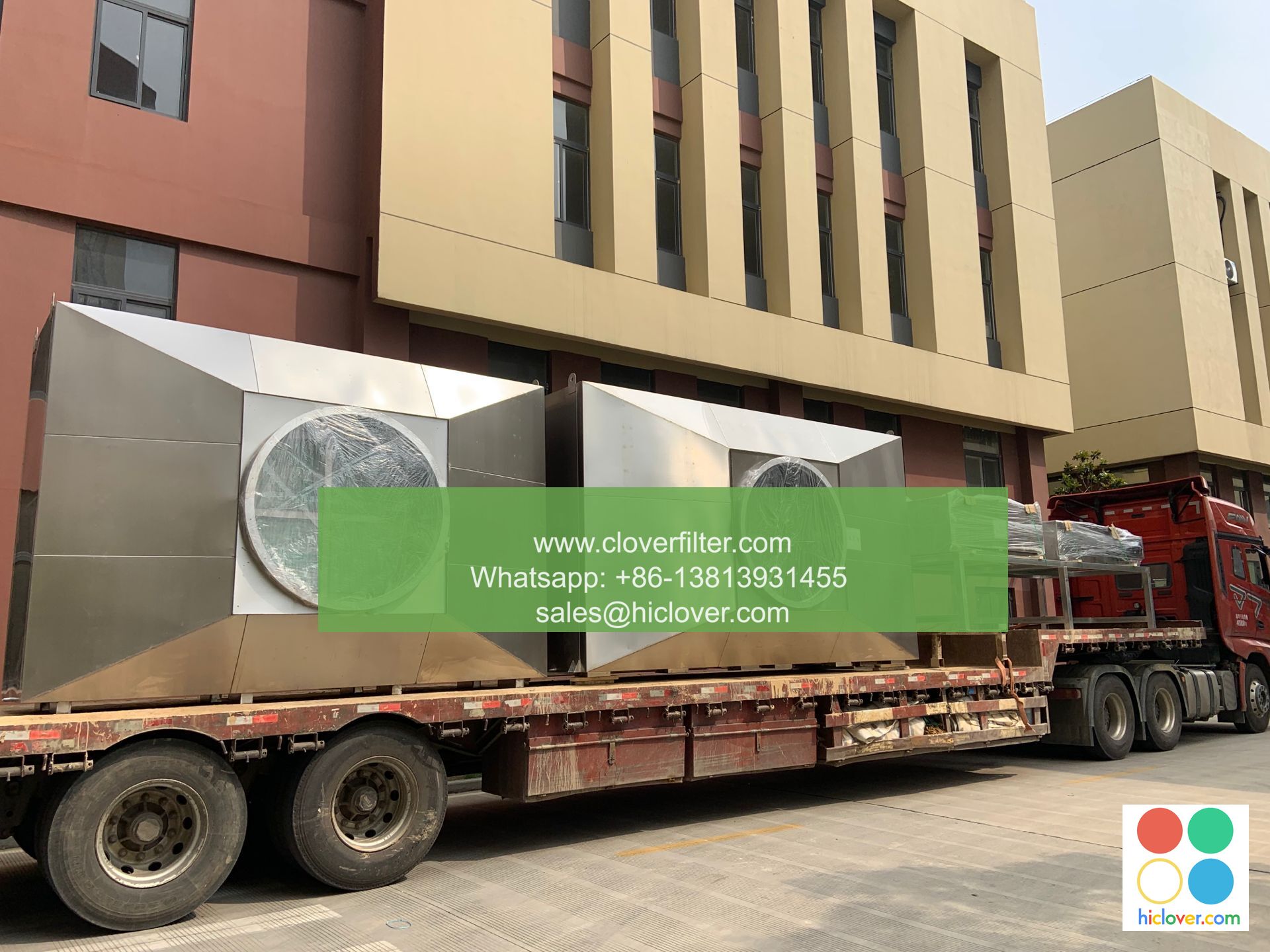
In the poultry industry, maintaining optimal air quality is essential for the health and productivity of birds. One of the most effective solutions to ensure clean air in poultry facilities is the use of automatic roll ventilation filters. This technology not only enhances air quality but also promotes the efficiency of poultry operations. In this article, we will explore the functionality, benefits, and various application areas of automatic roll ventilation filters in poultry facilities.
What Are Automatic Roll Ventilation Filters?
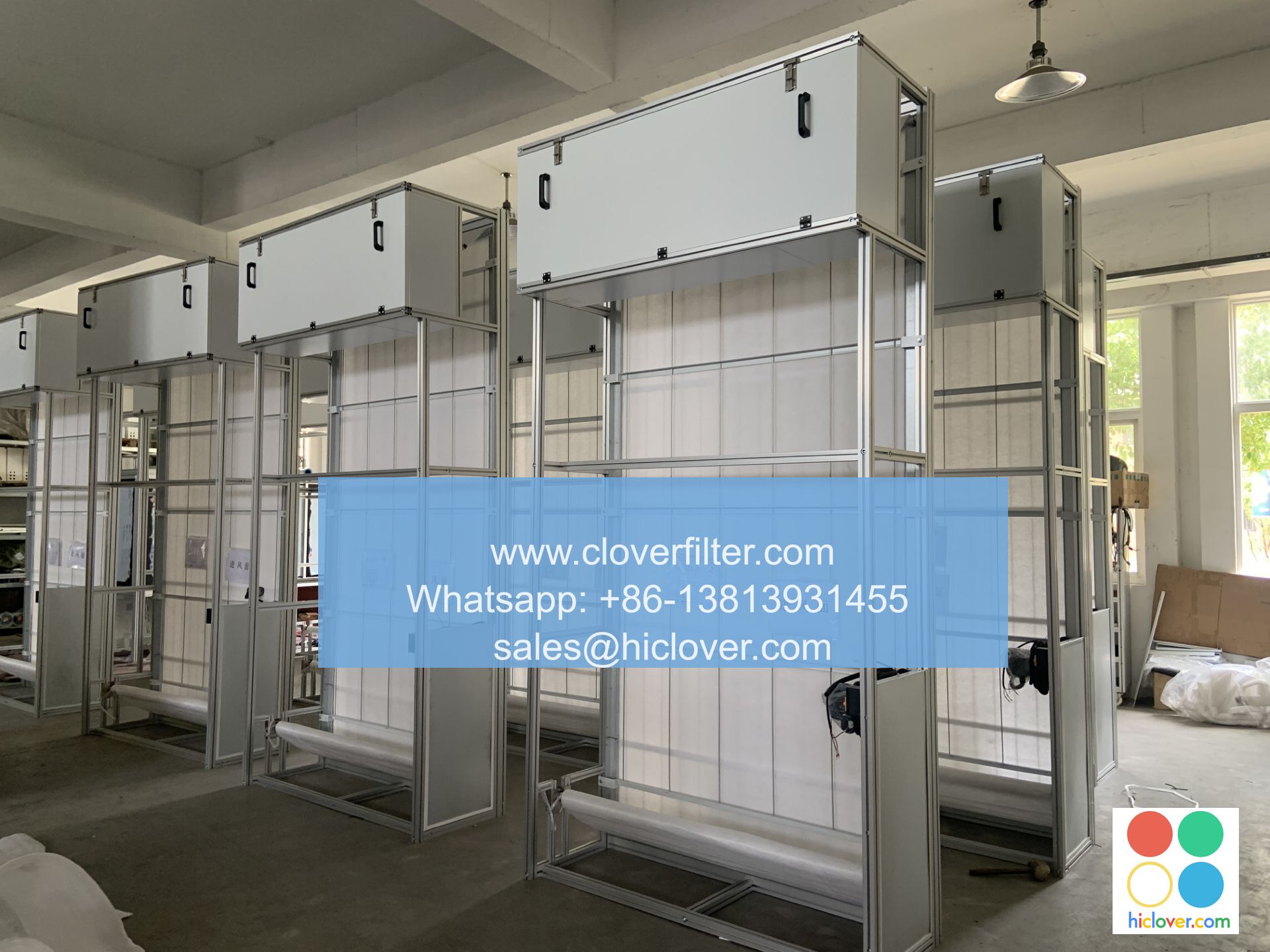
Automatic roll ventilation filters are specialized systems designed to remove airborne pollutants, dust, and other particles from the air in poultry barns. These filters operate on a roll mechanism, allowing for continuous filtration without the need for manual intervention. As air passes through the filter media, contaminants are captured, ensuring that the air entering the poultry house is clean and conducive to bird health.
How Do They Work?
The operation of automatic roll ventilation filters involves several key components:
-
Filter Media: Designed to capture airborne particles, the filter media is usually made from advanced materials that maximize filtration efficiency.
-
Roll Mechanism: The roll system allows for the automatic advancement of clean filter material while simultaneously disposing of the used portion. This minimizes downtime and ensures continuous air quality maintenance.
-
Control System: Modern automatic roll filters often come equipped with sensors and controls that monitor air quality and adjust filter operation in real-time, optimizing filtration based on current conditions.

Benefits of Automatic Roll Ventilation Filters in Poultry Facilities
The adoption of automatic roll ventilation filters in poultry facilities offers numerous benefits:
1. Enhanced Air Quality
By continuously filtering out dust, ammonia, and other harmful substances, these filters significantly improve the air quality within poultry environments. Improved air quality contributes to the overall health of the birds, reducing the incidence of respiratory diseases.
2. Increased Productivity
Healthy birds are more productive. Studies have shown that improved air quality can lead to better feed conversion rates and increased growth, directly impacting the profitability of poultry operations.
3. Energy Efficiency
Automatic roll ventilation filters are designed to minimize air resistance, allowing ventilation systems to operate more efficiently. This can lead to lower energy costs, as fans do not have to work as hard to maintain airflow.
4. Reduced Labor Costs
The automation of the filter replacement process reduces the need for manual labor, allowing farm workers to focus on more critical tasks. This efficiency can lead to savings on labor costs while ensuring uninterrupted air quality.
Application Areas in Poultry Facilities
Automatic roll ventilation filters find application in various areas of poultry facilities, including:
1. Broiler Houses
In broiler houses, maintaining optimal air quality is crucial for the health and growth of the birds. The use of automatic roll ventilation filters ensures that these environments remain clean and free from harmful contaminants.
2. Layer Houses
For layer houses, where hens are kept for egg production, controlling air quality is vital for egg quality and overall hen health. Automatic filters help reduce stress on layers, leading to improved egg production rates.
3. Hatcheries
In hatcheries, a controlled environment is essential for the development of embryos. Automatic roll ventilation filters help maintain the necessary temperature and humidity levels while ensuring clean air, contributing to higher hatch rates.
4. Poultry Processing Facilities
In processing plants, maintaining rigorous hygiene standards is paramount. Automatic roll filters help manage airborne particles and bacteria, thus ensuring a safer environment for workers and quality products.
Conclusion
The integration of automatic roll ventilation filters in poultry facilities represents a significant advancement in air quality management. By enhancing the health and productivity of birds while reducing energy and labor costs, these filters are a valuable investment for poultry operations. As the industry continues to evolve towards more efficient practices, the adoption of advanced filtration systems will remain a key focus, ensuring the sustainability and profitability of poultry farming for the future.
It seems like your message was cut off. Could you please provide more details or specify the prompt you’d like assistance with?
