A Deep Dive into Roll Filtration: Innovations for Kenya’s Vaccine Test Ranges
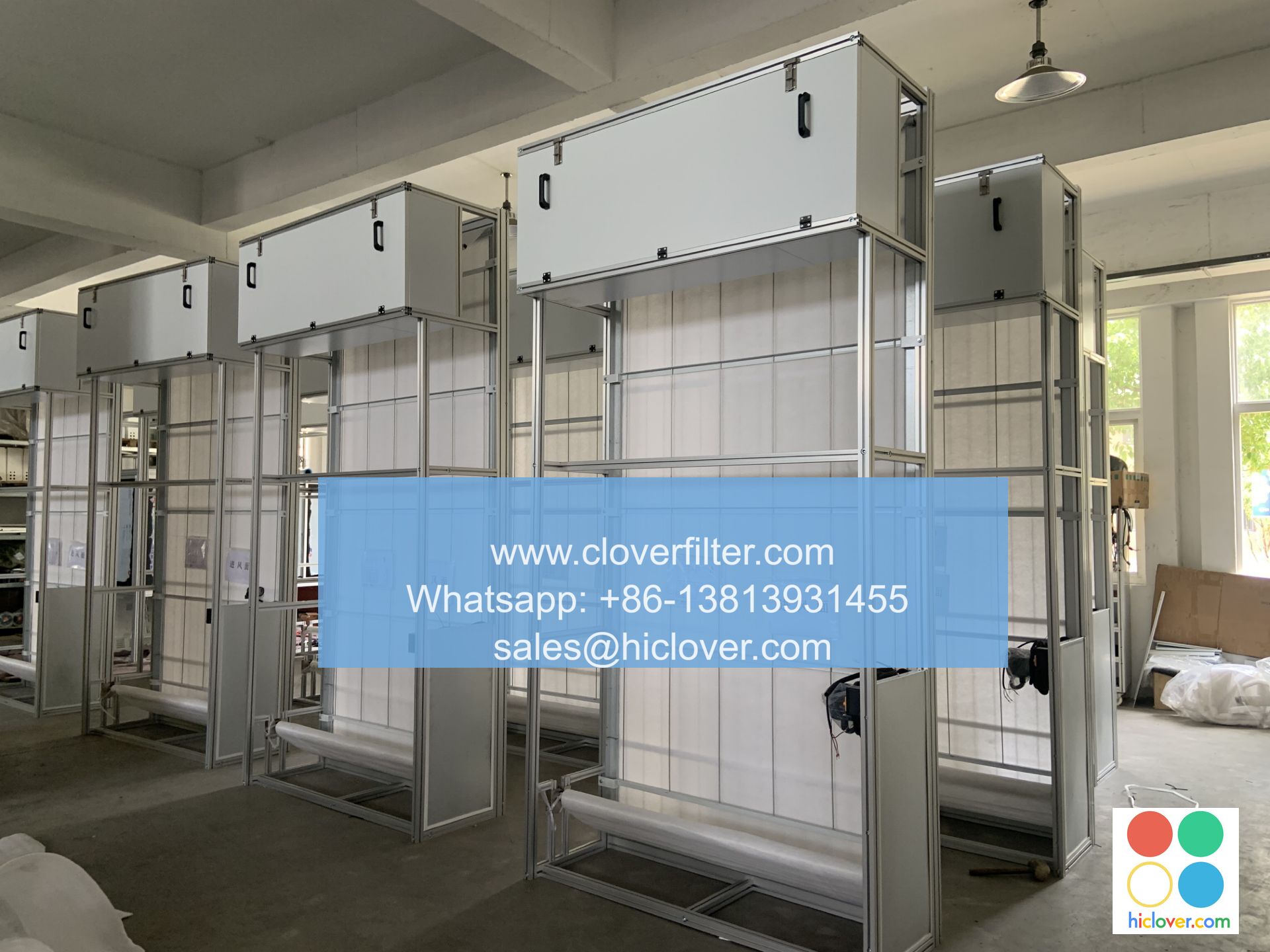
Introduction to Roll Filtration
Roll filtration is a cutting-edge technology that has emerged as a game-changer in the field of vaccine testing and development. This innovative method has particularly gained traction in Kenya, where the demand for effective and efficient vaccine processing is paramount. As the country strives to enhance its healthcare capabilities, roll filtration presents an exceptional solution to streamline vaccine manufacturing and testing procedures.

Understanding Roll Filtration
Roll filtration is a process that utilizes porous membranes to separate particles from fluids, offering a high-throughput and scalable solution for filtering. This technology effectively removes contaminants, ensuring the purity and efficacy of vaccines. With the rise of infectious diseases and the urgent need for vaccines, such technologies have become indispensable in the biopharmaceutical industry.
How Roll Filtration Works
The roll filtration system operates on the principle of selective permeability. Fluids containing vaccine antigens are passed through a cylindrical membrane, where particles larger than the pore size of the membrane are retained while the desired components pass through. This creates a concentrated solution of the vaccine, free from unwanted impurities.
Applications of Roll Filtration in Vaccine Development
Roll filtration has significant implications across various stages of vaccine development. Here are some highlighted application areas:

1. Vaccine Purification
One of the primary applications of roll filtration is in the purification of vaccine candidates. By removing cell debris and other contaminants, this technology enhances the safety profile of vaccines, which is critical in gaining regulatory approvals.
2. Vaccine Concentration
In the initial stages of vaccine production, roll filtration can concentrate the active ingredients, thus reducing the volume of liquid that needs to be handled in subsequent processing stages. This not only reduces costs but also minimizes the environmental footprint associated with waste management.
3. Quality Control
Roll filtration can be integral in the quality control processes of vaccine production. By continuously monitoring the filtration process, manufacturers can ensure that impurities are kept at bay, allowing for consistent and high-quality vaccine batches.
4. Scalability in Production
The adaptability of roll filtration systems makes them suitable for both small-scale and large-scale vaccine production. As Kenya increases its capacity to produce vaccines locally, roll filtration technology can be easily scaled to meet increasing demands.
5. Rapid Response to Outbreaks
In response to infectious disease outbreaks, having efficient technologies like roll filtration can expedite vaccine development timelines. The streamlined processes allow for rapid production of vaccines in emergency situations, making nations more resilient to health crises.
Innovations Enhancing Roll Filtration in Kenya
Kenyan researchers and biopharmaceutical companies are at the forefront of innovating roll filtration technologies. Collaborations between local institutions and international biotech firms aim to customize filtration membranes that withstand the specific conditions of tropical climates, ensuring optimal performance.
1. Development of Specialized Membranes
Local innovations include the design of specialized membranes tailored for the unique needs of Kenyan vaccine candidates, improving efficiency and effectiveness in filtration processes.
2. Integration with Automation
Automation of the roll filtration process allows for real-time monitoring and adjustments, ensuring that vaccine integrity is maintained throughout production. This increases throughput and reduces human error.
3. Sustainability Efforts
Innovations are also focusing on using biodegradable and sustainable materials in the production of filtration membranes. This aligns with global efforts to reduce plastic waste in the healthcare sector.
Conclusion
The integration of roll filtration technology into Kenya’s vaccine testing ranges signifies a monumental step forward in public health initiatives. By enhancing vaccine efficacy, ensuring quality control, and streamlining production processes, roll filtration is set to revolutionize the biopharmaceutical landscape in Kenya. As the country continues to invest in its healthcare infrastructure, the advancements in roll filtration will play a crucial role in safeguarding public health and improving access to vaccines for all Kenyans.
Embracing these innovations not only positions Kenya as a leader in vaccine production in Africa but also strengthens its capacity to respond to future health emergencies effectively.
By leveraging the innovations in roll filtration, Kenya is well on its way to optimizing its vaccine production processes, demonstrating a steadfast commitment to improving public health through science and technology.
It looks like you entered just “Prompt.” Could you please provide more details or specify a topic, question, or type of prompt you’d like assistance with? I’m here to help!
