A Deep Dive into the Mechanics of Self-Cleaning Roll Filters for Bottling
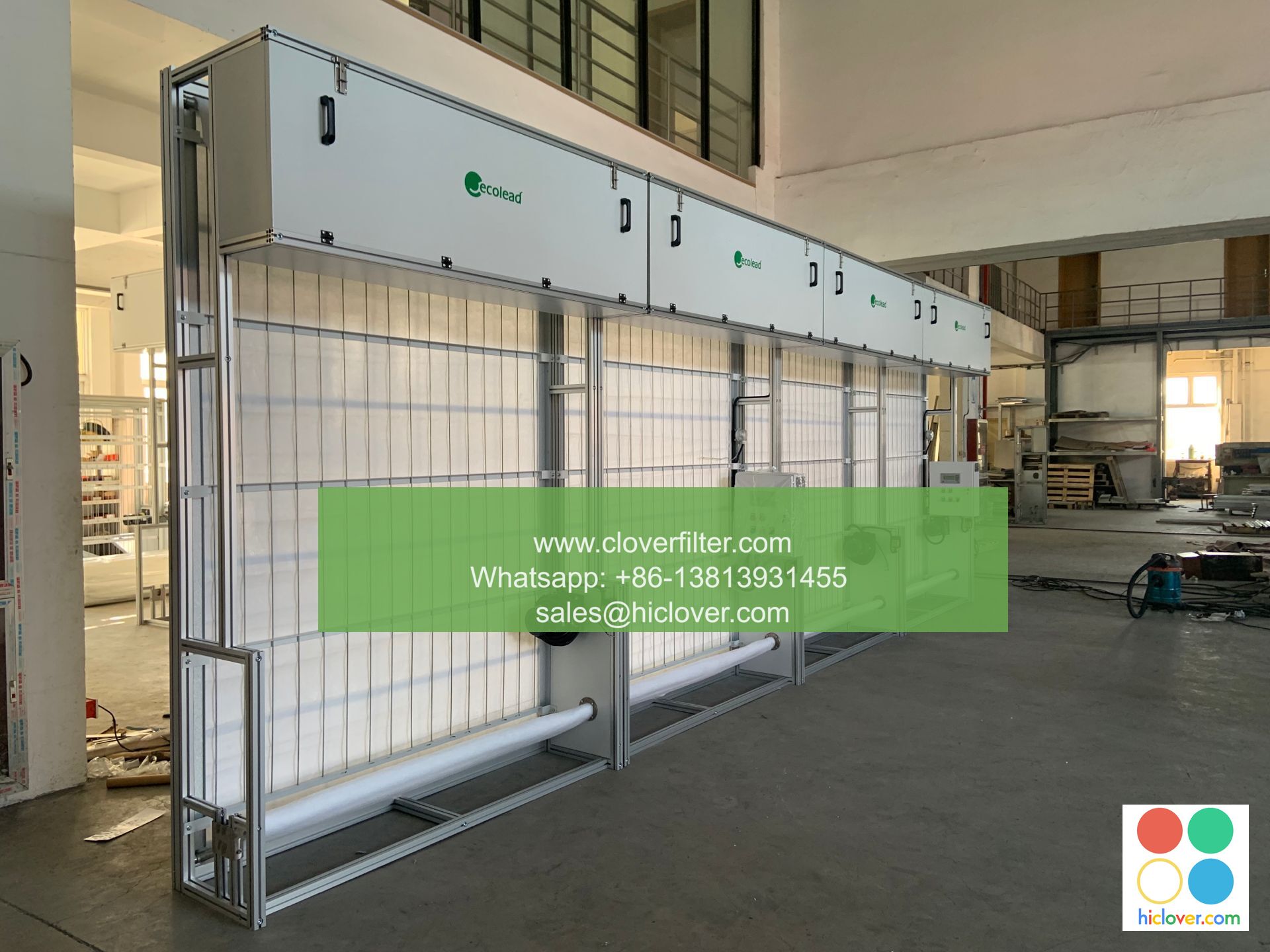
In the ever-evolving world of bottling technology, self-cleaning roll filters stand out as an innovative solution that addresses crucial challenges in the production process. This article explores the mechanics, benefits, and various application areas of these advanced filtration systems.
Understanding Self-Cleaning Roll Filters

Self-cleaning roll filters utilize a unique design that employs a rotating filter media to eliminate contaminants from liquid products. These filters are essential in ensuring the quality and integrity of liquids in bottling operations. Their self-cleaning mechanism reduces downtime and maintenance costs, making them a popular choice for manufacturers looking to optimize efficiency.
Mechanics of Self-Cleaning Roll Filters
At the core of self-cleaning roll filters is a cylindrical or roll-shaped filter element. The basic operations can be broken down into several key stages:
- Filtration: The liquid to be filtered is pumped onto the surface of the rotating cylindrical filter. As the liquid passes through the filter medium, solids and impurities are trapped, ensuring only clean liquid passes through.
- Rotational Movement: The continuous rotation of the filter media not only allows for increased surface area contact but also aids in the movement of collected contaminants away from the filtration zone.
- Self-Cleaning Action: As the filter rotates, a scrapper or wiper mechanism cleans the surface of the medium, dislodging any trapped contaminants and allowing them to fall into a designated waste collection area.
- Reduced Downtime: Traditional filters require constant manual cleaning, leading to costly production halts. Self-cleaning filters significantly minimize downtime, allowing for more continuous operation.
- Improved Product Quality: By maintaining a consistent filtration process, the quality of the bottling output is enhanced, which is crucial for industries like food and beverage, pharmaceuticals, and cosmetics.
- Operational Efficiency: These filters can process large volumes of liquid with minimal energy consumption, contributing to overall efficiency and sustainability goals.
- Beverage Industry: These filters ensure that juices, wines, and beers are free from particulates, thereby preserving taste and clarity.
- Pharmaceuticals: In drug production, sterile conditions are paramount. Self-cleaning roll filters help meet stringent regulatory standards by ensuring the purity of solutions.
- Cosmetics: The cosmetics industry also benefits from these filters to produce clean and safe formulations, free from contaminants.
- Water Treatment: Beyond bottling, these filters are instrumental in municipal and industrial water treatment facilities, providing clean water solutions.

Advantages of Self-Cleaning Roll Filters
Implementing self-cleaning roll filters in bottling applications presents numerous advantages, including:
Application Areas
Self-cleaning roll filters find prominent application across various industries, including:
Conclusion
Self-cleaning roll filters represent a significant advancement in filtration technology for bottling applications. Their unique mechanics not only improve efficiency and reduce costs but also uphold the quality standards required across various industries. As consumer demands for cleaner, higher-quality products continue to rise, the adoption of self-cleaning roll filters is likely to increase, painting a promising future for this innovative technology.
It seems like your message was cut off. Could you please provide more details or specify what kind of prompt you’re looking for? Whether it’s for writing, brainstorming ideas, or something else, I’d be happy to help!
