A Filter for All Seasons: How to Choose the Right Air Filter for Your Business
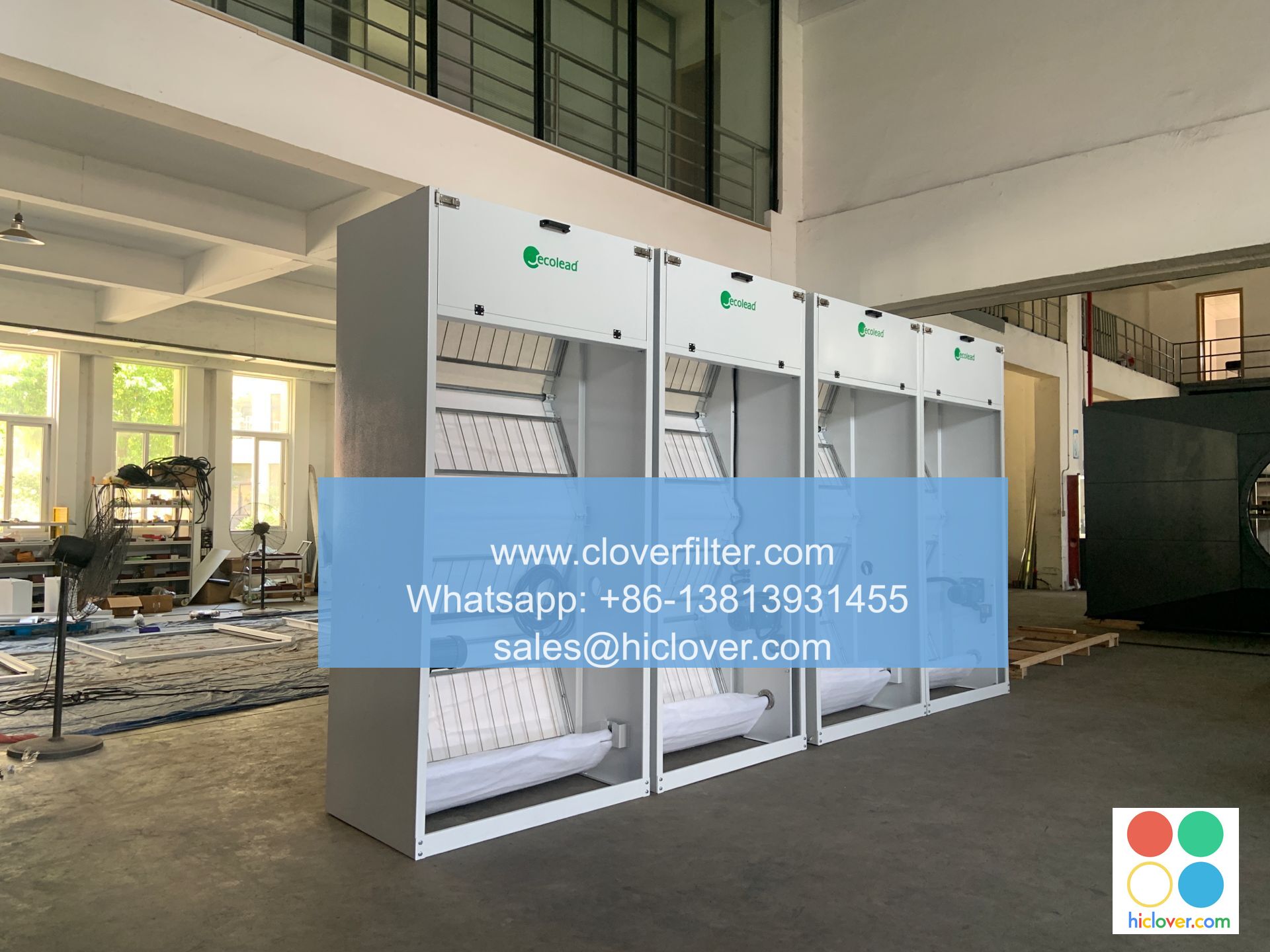
A Filter for All Seasons: How to Choose the Right Air Filter for Your Business
As a business owner, maintaining a comfortable and healthy indoor environment for your employees and customers is crucial for productivity, morale, and overall success. A well-designed air filtration system can significantly impact the air quality, hygiene, and overall ambiance of your workplace. With so many air filter options available, selecting the right one for your business can be overwhelming. In this article, we’ll guide you through the process of choosing the perfect air filter for your seasonal and specific needs.

Key Considerations
Before selecting an air filter, consider the following key factors:
- Airborne contaminants: Identify the types of airborne particles, gases, and odors that need to be removed from the air. Common contaminants include dust, pollen, pet dander, mold, and volatile organic compounds (VOCs).
- Building layout and usage: Assess the square footage, number of windows, and number of occupants to determine the air volume and flow rate required.
- Climate and humidity: Consider the local climate, humidity levels, and seasonal changes to ensure the filter can handle extreme temperatures, humidities, and air pressure changes.
- Filtration requirements: Determine the minimum efficiency reporting value (MERV) and filter class (FAS) necessary for the specific application, such as high-efficiency particulate air (HEPA) filters for pristine clean rooms.

Filter Types
Mechanical Filters:
- Fiberglass filters: Inexpensive and efficient for general use, but may not capture smaller particles or allergens.
- HEPA filters: Suitable for allergen-free and high-efficiency applications, such as hospitals, laboratories, and commercial spaces.
Activated Carbon Filters:
- General-purpose activated carbon: Effective for removing gases, odors, and chemicals, but may not capture particulate matter.
- High-efficiency activated carbon: Ideal for air purification in areas with high levels of chemicals, VOCs, or odors, such as laboratories and chemical plants.
Hybrid Filters:
- Combine mechanical and activated carbon filters: Ideal for applications requiring both particle removal and gas absorption, such as commercial offices and restaurants.
Seasonal Considerations
Summer:
- Heat and humidity: Look for filters with high moisture-resistance and anti-microbial properties to combat mold and mildew growth.
- Allergens: Consider filters with HEPA or MERV 11-12 ratings to capture pollen and other particles.
Winter:
- Dry air: Opt for filters with a lower moisture resistance to reduce static electricity and equipment noise.
- Fragrances and chemicals: Select filters with activated carbon or activated carbon/HEPA hybrids to remove harsh chemicals and odors.
Conclusion
Choosing the right air filter for your business is crucial for maintaining a comfortable, healthy, and productive environment. Consider the key factors, filter types, and seasonal considerations to ensure the best possible air quality. Whether you need a simple, cost-effective solution or a high-efficiency, specialized system, there’s a filter out there for you. By selecting the right air filter, you’ll create a better environment for your employees, customers, and the bottom line.
Additional Resources:
- ASHRAE Standard 170: Method of Testing General Ventilation Air Cleaning Devices
- EPA’s Indoor Air Quality (IAQ) Guidelines
- National Air Filtration Association (NAFA) Recommendations for Commercial Air Filtration
It seems you’ve initiated a conversation, but I’m not quite sure what you’re looking for. Would you like to:
1. Ask a question?
2. Share a thought or idea?
3. Discuss a topic or issue?
4. Play a game or generate creative content?
Let me know, and I’ll do my best to assist you!
