A Guide to Air Filter Frame Materials and Construction
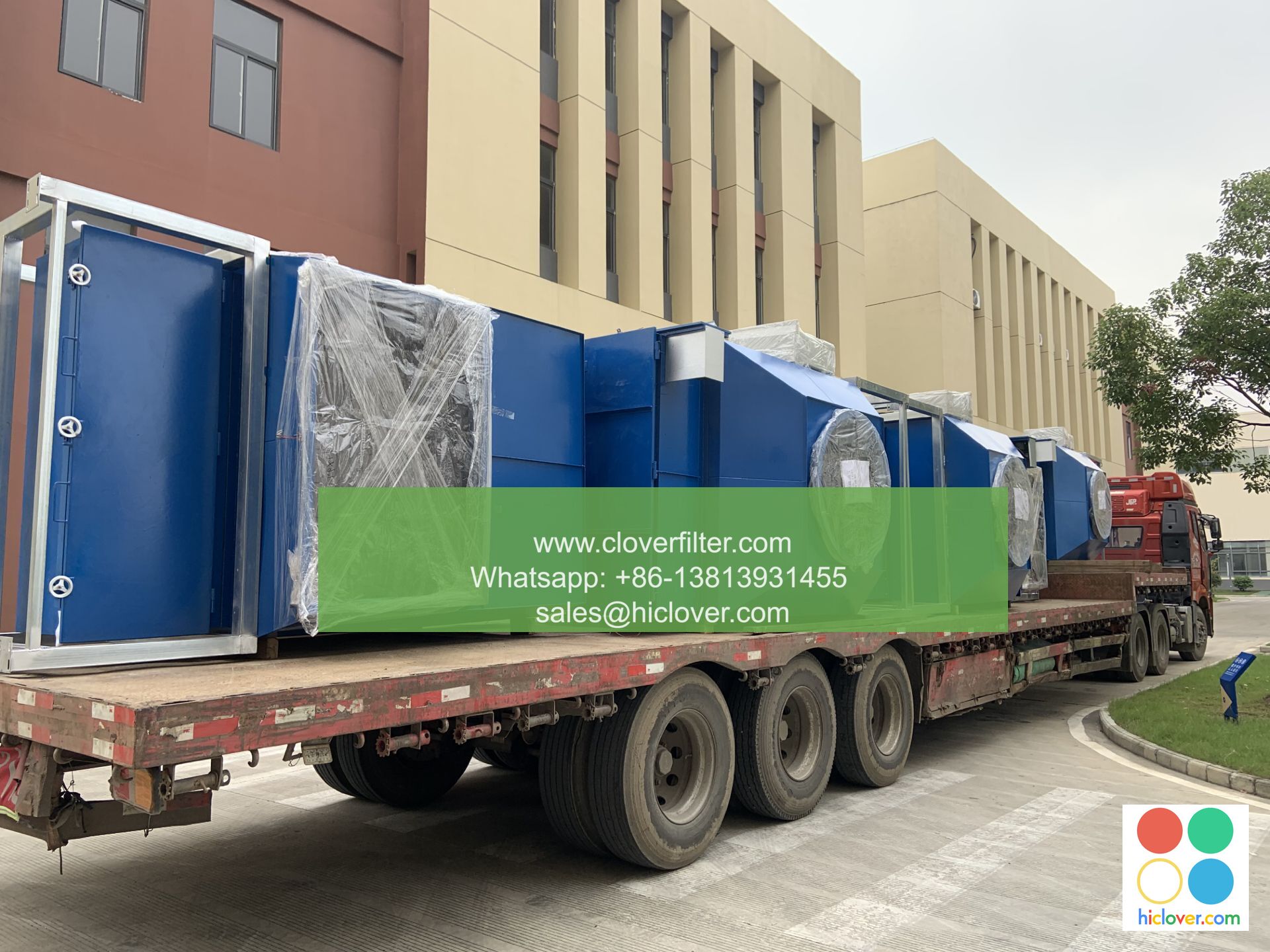
Air filters play a crucial role in maintaining air quality across various applications, from residential HVAC systems to industrial air filtration systems. The frame materials and construction of air filters significantly impact their performance, durability, and effectiveness. This guide explores the different air filter frame materials and their construction techniques while highlighting various application areas.
Understanding Air Filter Frame Materials

Choosing the right frame material is essential for the overall efficiency of an air filter. Common materials used in air filter frames include:
1. Aluminum
Aluminum frames are lightweight, corrosion-resistant, and support long-term durability. They are particularly suitable for HVAC systems in commercial buildings, where robust performance and resistance to environmental factors are paramount.
2. Plastic
Plastic frames, often made from polypropylene or polystyrene, offer excellent lightweight properties and are often used in disposable filters. These frames are economical and suitable for residential applications where budget considerations are essential.

3. Galvanized Steel
Galvanized steel frames provide a robust and durable option, ideal for industrial air filters. They excel in heavy-duty environments, able to withstand high-pressure situations and rough handling. Their resistance to corrosion enhances their longevity in demanding applications.
Construction Techniques for Air Filter Frames
The construction method of air filter frames can significantly impact the efficacy and longevity of the filter elements. Here are some common construction techniques:
1. Stamping and Welding
This technique is primarily used for metal frames, where sheets of metal are stamped into shape and subsequently welded together. This method provides strong, seamless joints, making it suitable for high-efficiency filters in industrial applications.
2. Injection Molding
For plastic frames, injection molding is a prevalent method. It allows for the mass production of shaped frames with precision and is typically employed in disposable filters for residential and light commercial use.
3. Die-Cutting
Die-cutting is often used to create precise shapes from a single material sheet (metal or plastic). This method ensures uniform frame dimensions, essential for optimal fit and performance in various applications, including HVAC and industrial systems.
Application Areas of Air Filter Frames
Understanding the different application areas helps in selecting the appropriate frame material and construction type. Here are some key areas:
1. Residential HVAC Systems
For home air filtration systems, lightweight plastic frames are often preferred for disposable filters. They effectively capture contaminants while remaining affordable for homeowners.
2. Commercial Buildings
Commercial HVAC systems require more robust filter frames like aluminum or galvanized steel. These materials withstand the rigors of frequent use and environmental stresses.
3. Industrial Applications
Industries with heavy dust and particulate matter often rely on filters with galvanized steel frames, ensuring durability and high-efficiency filtration. These filters are designed to handle high volumes of air flow while maintaining structural integrity.
Conclusion
The choice of air filter frame materials and construction techniques is vital in determining the effectiveness and durability of air filters. Whether for residential, commercial, or industrial applications, understanding the strengths of various materials will help in making informed decisions. By investing in the right frame, you contribute to improved air quality and prolonged system efficiency.
It looks like you entered “Prompt” without providing specific details or context. How can I assist you with a prompt? Whether you’re looking for writing inspiration, a creative idea, or something else, just let me know!
