A Guide to Choosing the Right Air Filter for Your HVAC System for Industrial Use
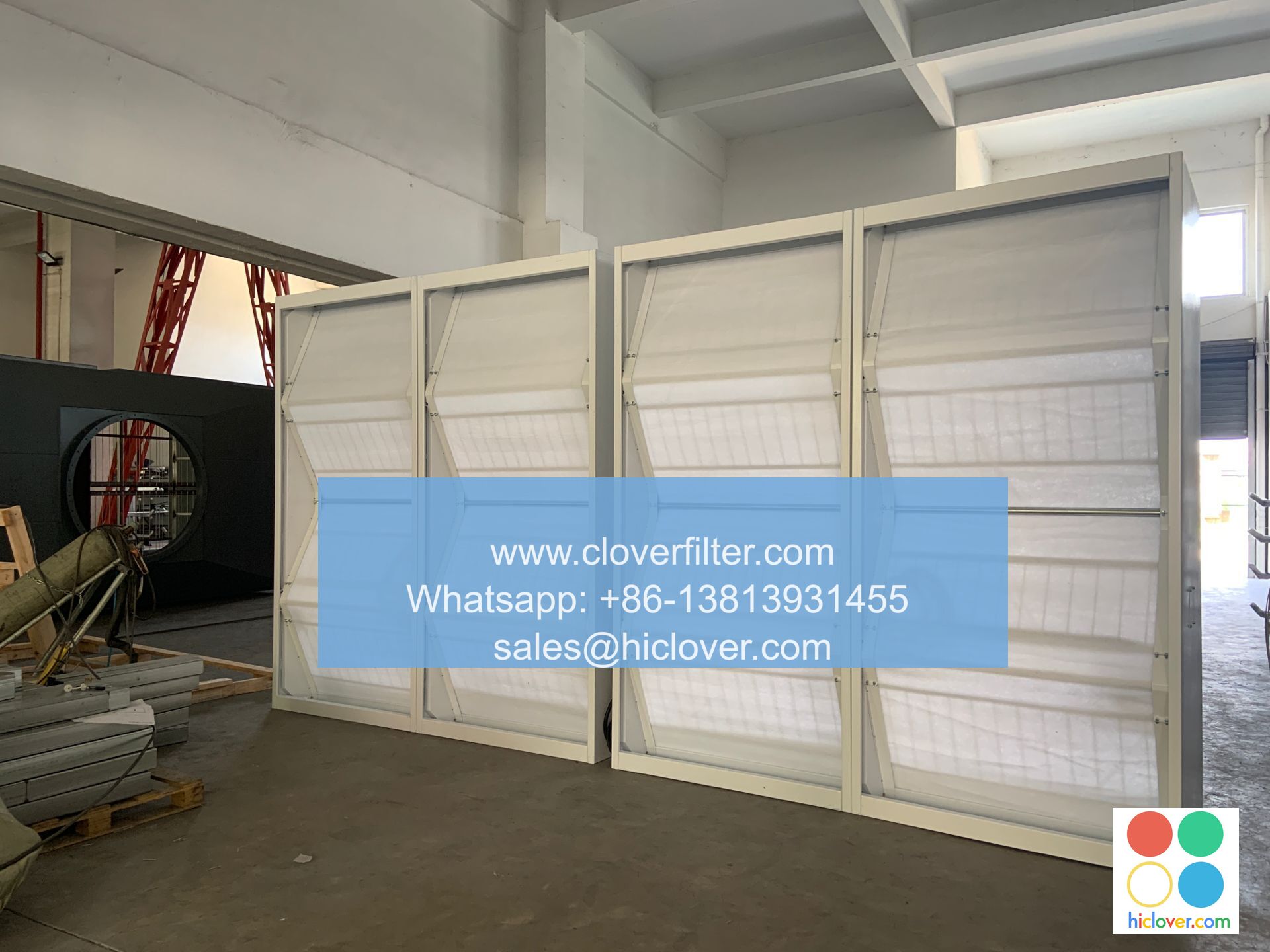
Choosing the right air filter for your HVAC (Heating, Ventilation, and Air Conditioning) system is crucial for maintaining a healthy and efficient industrial environment. The correct air filter can help reduce energy costs, prevent equipment damage, and improve indoor air quality. In this article, we will provide a comprehensive guide to selecting the right air filter for your industrial HVAC system, highlighting various application areas, and discussing key considerations such as air filtration efficiency, dust holding capacity, and static pressure drop.
Understanding Industrial Air Filtration Needs
Industrial facilities have unique air filtration requirements due to the presence of hazardous airborne contaminants, high levels of dust, and extreme temperatures. The right air filter can help mitigate these challenges, ensuring a safe and healthy working environment for employees. Some common industrial applications that require specialized air filtration include:
* Food processing and manufacturing: requiring high-efficiency air filters to prevent contamination and maintain cleanroom standards
* Pharmaceutical and chemical processing: demanding air filters with high chemical resistance and adsorption capacity
* Automotive and aerospace manufacturing: requiring air filters with high dust holding capacity and static pressure drop to maintain equipment performance
Types of Air Filters for Industrial Use
There are several types of air filters available for industrial use, each with its own strengths and weaknesses. Some common types include:
* Pleated air filters: offering high air filtration efficiency and low pressure drop, suitable for general industrial applications
* Activated carbon air filters: designed for odor control and chemical adsorption, ideal for applications with high levels of volatile organic compounds (VOCs)
* HEPA (High Efficiency Particulate Air) filters: providing high-efficiency air filtration and ultra-fine particle capture, suitable for applications requiring cleanroom standards
Key Considerations for Choosing the Right Air Filter
When selecting an air filter for your industrial HVAC system, consider the following key factors:
* Arrestance: the filter’s ability to capture large particles and debris
* Efficiency: the filter’s ability to capture small particles and microorganisms
* Pressure drop: the filter’s impact on system airflow and energy efficiency
* Dust holding capacity: the filter’s ability to capture and retain dust and debris
* Material compatibility: the filter’s resistance to chemicals, temperatures, and humidity
Best Practices for Maintaining and Replacing Air Filters
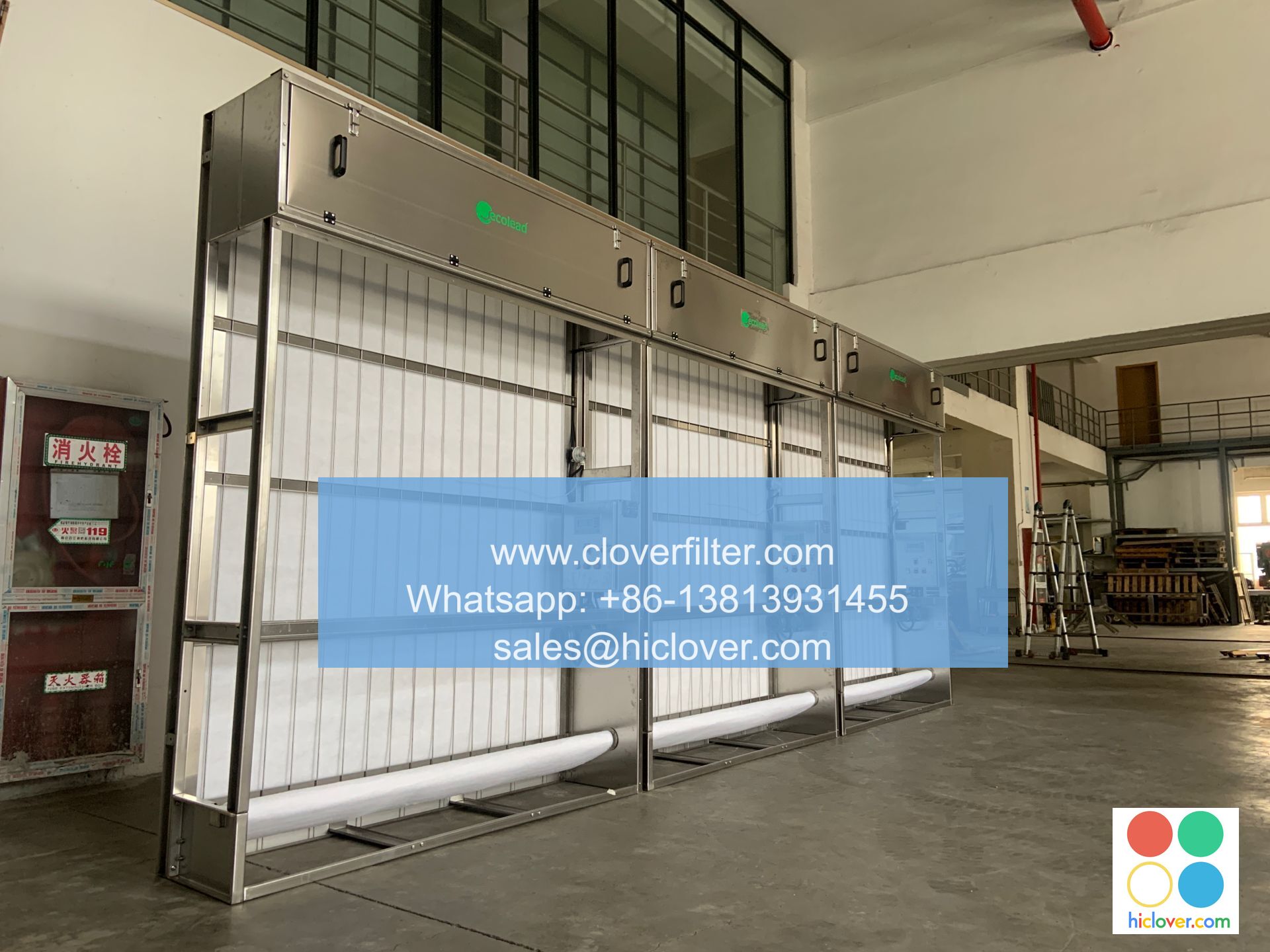
Regular maintenance and replacement of air filters are essential for ensuring optimal HVAC system performance and indoor air quality. Some best practices include:
* Regular filter inspections: to monitor filter condition and replace filters as needed
* Filter cleaning and maintenance: to extend filter life and optimize system performance
* Record-keeping: to track filter replacement and maintenance schedules, ensuring compliance with industry regulations and quality standards
By following this guide and considering the unique needs of your industrial facility, you can choose the right air filter for your HVAC system and maintain a healthy, efficient, and productive work environment. Remember to always prioritize air filtration efficiency, dust holding capacity, and static pressure drop when selecting an air filter, and don’t hesitate to consult with a qualified HVAC professional for personalized guidance and recommendations. You haven’t asked a question or provided any information for me to respond to. Please provide a prompt or ask a question, and I’ll do my best to assist you.
