A Guide to Installing and Maintaining Air Filter Movements
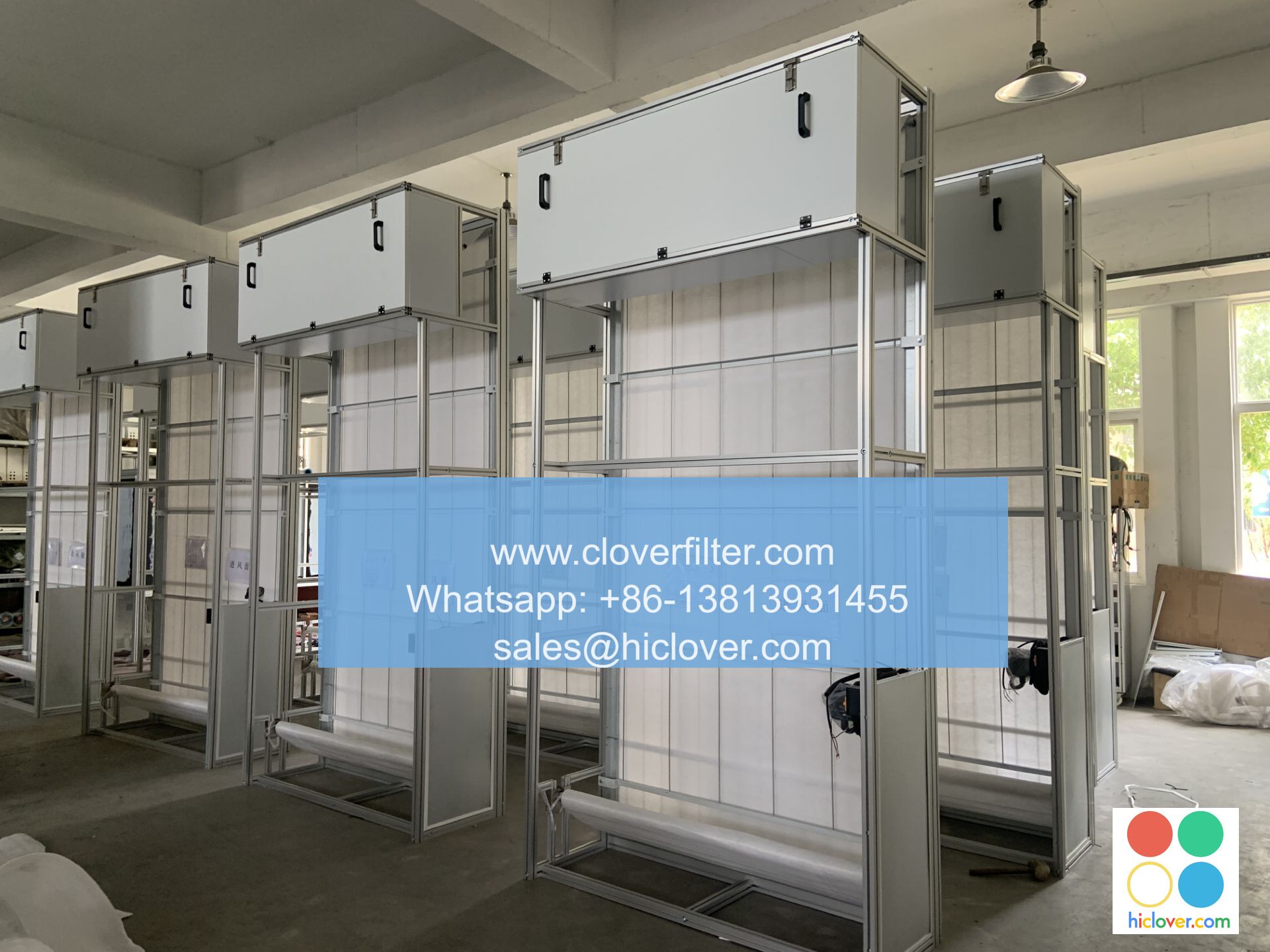
Air filters play a crucial role in maintaining the quality of air we breathe. From residential homes to industrial settings, ensuring that air filters are correctly installed and maintained can significantly improve air quality and enhance the efficiency of HVAC systems. This guide will walk you through the essential steps for installing and maintaining air filter movements and highlight various application areas where they are vital.
Understanding Air Filter Movements

Air filter movements refer to the workflow and processes involved in the installation and upkeep of air filters in different environments. Air filters are essential in:
- Residential Settings: Ensuring clean air for families, preventing dust, allergens, and pollutants.
- Commercial Spaces: Maintaining air quality in offices, retail stores, and restaurants.
- Industrial Applications: Protecting machinery and ensuring compliance with health and safety regulations.
Types of Air Filters
Before diving into the installation process, it’s important to understand the different types of air filters available:

- HEPA Filters: High-Efficiency Particulate Air filters that capture 99.97% of particles.
- Activated Carbon Filters: Excellent for removing odors and gases.
- Pre-filters: Used to capture larger particles and prolong the life of primary filters.
Steps for Installing Air Filters
Step 1: Gather the Necessary Tools and Materials
Before installation, ensure you have the following tools at hand:
- Screwdrivers
- Measuring tape
- Replacement filters
- Vacuum cleaner (for cleaning the area)
Step 2: Turn Off the HVAC System
Safety first! Always turn off the HVAC system to avoid any accidents during the installation process.
Step 3: Remove the Old Filter
Carefully take out the existing air filter from the HVAC unit. Check for any signs of dust buildup or damage.
Step 4: Clean the Area
Using a vacuum cleaner, clean the surrounding area to eliminate dust and debris that could affect the new filter’s performance.
Step 5: Install the New Filter
Verify that the new filter fits correctly and is oriented in the right direction (usually indicated by arrows on the filter itself).
Step 6: Seal the Unit
Make sure that the unit is sealed properly to prevent air leaks, which can compromise air quality and system efficiency.
Step 7: Turn On the HVAC System
Once everything is securely in place, turn the HVAC system back on and verify that it’s functioning correctly.
Maintaining Air Filters
Once installed, maintaining air filters is just as crucial. Here’s how to keep them functioning optimally:
Regular Inspection
- Frequency: Check filters every month during heavy usage seasons.
- Signs to Look For: Dark or clogged filters indicate it’s time for a replacement.
Cleaning Tasks
- For washable filters, follow the manufacturer’s instructions on cleaning them, typically involving rinsing with water and allowing them to dry completely before reinstalling.
- Replace non-washable filters as per the manufacturer’s recommended schedule, which is generally every 90 days but can vary based on usage and environment.
Monitor Air Quality
Employ air quality monitors to help evaluate the effectiveness of your air filters. Keep an eye on levels of pollutants and allergens in the area.
Application Areas of Air Filters
Residential Homes
In residences, air filters are vital to maintaining indoor air quality, especially in areas prone to allergies or asthma. High-efficiency filters are recommended for households with pets or smokers.
Commercial Buildings
Businesses benefit from proper air filtration through improved employee health and productivity. Regular maintenance of filters in office buildings can also reduce energy costs.
Industrial Facilities
Manufacturing plants and warehouses require specific types of air filters to protect both workers and machinery. Specialized filters may be necessary for settings dealing with harmful substances or particulates.
Conclusion
Installing and maintaining air filter movements is essential for ensuring optimal air quality across various settings, including residential, commercial, and industrial environments. By following the recommended steps for installation and maintaining a regular schedule for inspections and replacements, you can ensure the health and well-being of everyone in these spaces. Good air quality leads to happier homes, healthier workplaces, and safer industrial environments.
For more tips and information, always refer to the manufacturer’s guidelines and consider consulting a professional if you’re unsure about any aspect of air filter installation and maintenance.
It seems like you might want a writing prompt or an idea to work with. Could you please provide a bit more context or specify the type of prompt you are looking for? For example, are you interested in a creative writing prompt, a discussion topic, or something else?
