A Guide to MERV Ratings: What You Need to Know
Key Takeaways
- Understanding MERV ratings is crucial for selecting the right air filter for your HVAC system.
- Air filter standards guide the efficacy of filters in trapping particulates.
- The Automatic Roll Air Filter offers innovative roll media technology for efficient filtration.
- Proper selection criteria can optimize filter performance and maintenance schedules.
- Compliance with standards like ISO 16890 can ensure effective air quality management.
- Real-world applications demonstrate the versatility of various air filtration solutions.
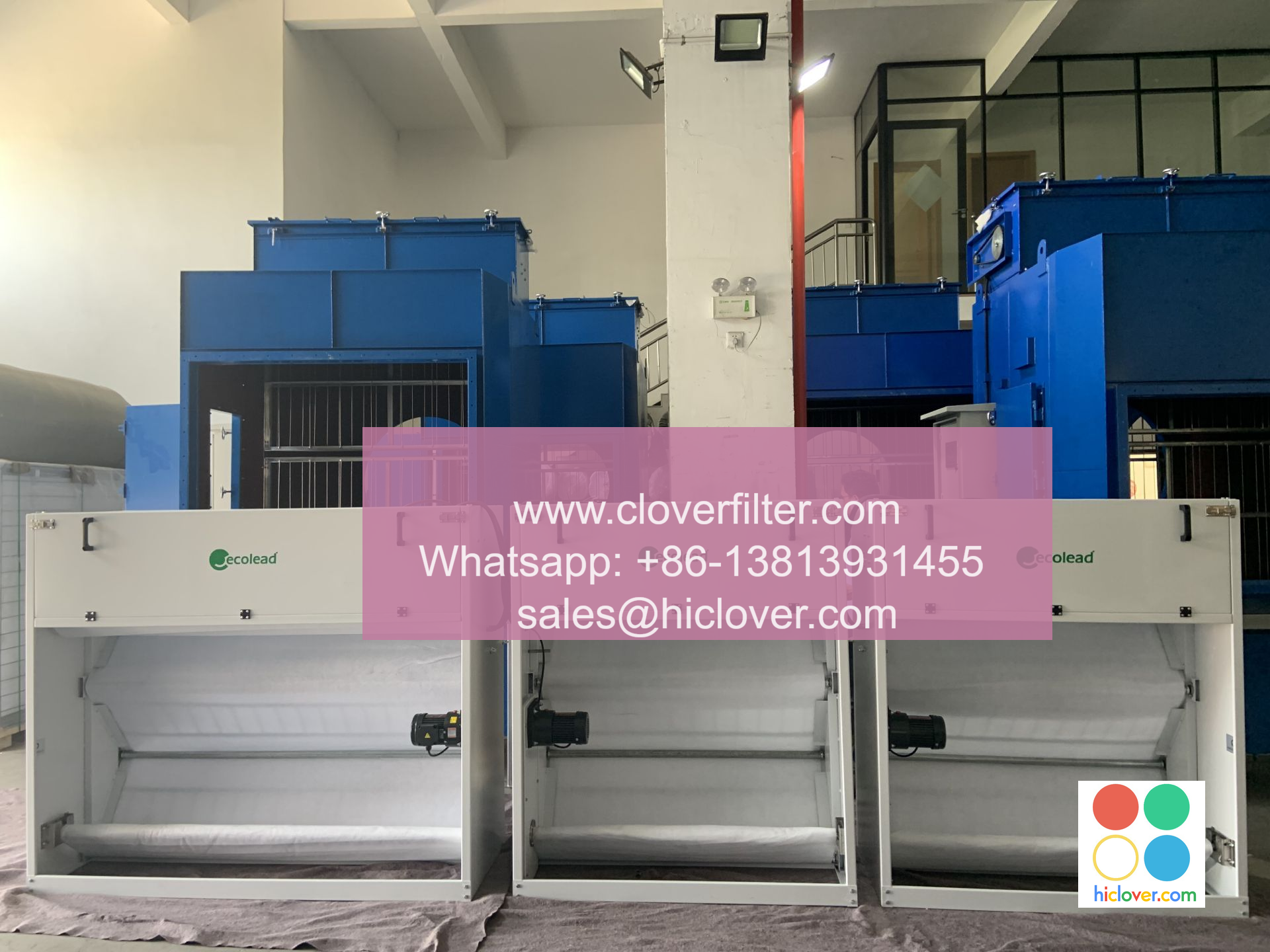
- Roll Media Advance Logic: The filter uses a roll of media that advances automatically as the filter collects particulates. This ensures a steady supply of clean media without manual replacement.
- Differential Pressure Trigger: The system is equipped with sensors that monitor pressure drops across the filter. When the pressure exceeds a set threshold, the roll media advances, ensuring continuous filtration.
- Timer Mode: Users can set a timer for automatic media roll replacement, ensuring that maintenance is predictable and less labor-intensive.
- Airflow Range: Ensure the filter matches the required airflow for your facility.
- Face Velocity: Select a face velocity that balances efficiency with your system’s design.
- Media Width/Length: Choose appropriate dimensions that fit your existing setup, ensuring proper coverage.
- Frame Size: Frame dimensions should align with standard filter slots in your HVAC system.
- Control Options: Determine if you need manual or digital controls for easy operation.
- Power Supply: Check compatibility with available power sources.
- Installation Location: Identify if the filter will be used for fresh air intake, return air, or direct process filtration.
- Selecting the Wrong MERV Rating: Choose a MERV rating based on specific needs rather than general recommendations.
- Ignoring Airflow Requirements: Ensure the selected filter fits within the airflow range of your system.
- Neglecting Maintenance: Forgetting to monitor differential pressure can lead to inefficiencies.
- Overlooking Control Options: Choose control mechanisms that suit your team’s technical capabilities.
- Inappropriate Installation Location: Make sure to install filters in optimal areas based on their design—fresh air intake, return, or process areas.
- Failing to Check Compatibility: Ensure all components are compatible with existing HVAC systems.
- Not Considering Energy Consumption: Monitor the energy implications of the chosen filter to avoid inflated costs.

What Are MERV Ratings?
MERV, or Minimum Efficiency Reporting Value, is a standard developed by ASHRAE to determine the effectiveness of air filters in removing airborne particles. The ratings range from 1 to 16, with higher ratings indicating a greater ability to filter out smaller particles. Understanding MERV ratings is essential for professionals in industries like cleanrooms, data centers, and hospitals, where air quality is critical.

Air Filter Standards: Importance in Procurement
The selection of air filters must be informed by established air filter standards, such as MERV and ISO 16890. These standards help in evaluating filter performance and operational longevity. In industrial settings, the right filter not only improves air quality but also enhances operational efficiency by reducing the burden on HVAC systems.
Understanding the Automatic Roll Air Filter
The Automatic Roll Air Filter is an innovative solution designed to optimize air filtration in HVAC systems. This filter employs roll media advance logic, allowing the filter media to be automatically replaced as it collects dust and particulates.
How It Works
Practical Selection Guide for Automatic Roll Air Filters
When selecting an Automatic Roll Air Filter for your HVAC system, consider the following criteria:
Filter Comparison: Automatic Roll Air Filter vs. Traditional Options
| Filter Type | Best Use Case | Maintenance | Pressure Drop Behavior | Operating Cost | Typical Risk/Downside |
|---|---|---|---|---|---|
| Automatic Roll Air Filter | Variable airflows, cleanrooms | Low (automatic roll) | Stable during use | Moderate | Initial investment may be higher |
| Bag Filter | Industrial plants | Moderate | Gradual increase | Lower | Higher maintenance frequency |
| Panel Filter | Residential systems | High | Sharp increase | Lower | Short lifespan, frequent changes |
| V-bank Filter | Large commercial HVAC | Moderate to high | Stable with capacity | Higher | More complex installation |
Common Mistakes & How to Avoid Them
Real-World Scenarios of Air Filter Applications
Data Center Filtration
In a data center, maintaining dust-free air is crucial for optimal equipment performance. Implementing an Automatic Roll Air Filter helped in lowering particulate levels, extending hardware lifespan, and reducing energy costs through improved cooling efficiency.
Lithium Battery Factory
Lithium battery production requires strict contamination control. The Automatic Roll Air Filter was integrated into their HVAC system, simplifying maintenance and ensuring compliance with safety standards.
Paint Shop Air Quality
In a paint shop environment, VOCs and particulates are prevalent. The roll filter technology effectively managed air quality while reducing maintenance times compared to traditional filters.
Textile and Steel/Cement Plants
In textile mills and steel/cement plants, heavy particulates are often a challenge. Utilizing an Automatic Roll Air Filter improved air quality and maintained operational efficiency without excessive pressure drop, fostering a safer work environment.
FAQ Section
Q1: What is MERV rating?
A1: MERV stands for Minimum Efficiency Reporting Value, indicating a filter’s effectiveness in removing particles.
Q2: Why are air filter standards important?
A2: They ensure reliable performance and safety compliance across HVAC applications.
Q3: How does an Automatic Roll Air Filter operate?
A3: It uses a roll of filter media that advances automatically as it collects particulates, ensuring continuous filtration.
Q4: What industries benefit from high MERV ratings?
A4: Industries like healthcare, data centers, and manufacturing facilities require high MERV ratings for optimal air quality.
Q5: Can I use MERV ratings to compare all filters?
A5: While MERV ratings are helpful, filter type and application context are also important to consider.
Q6: How often should filters be replaced?
A6: This depends on usage, air quality, and the type of filter. Automatic Roll Air Filters require less frequent changes due to their advanced technology.
Conclusion
Selecting the right air filter is central to maintaining air quality in industrial environments. The Automatic Roll Air Filter, offered by CloverFilter, provides a modern solution to age-old problems of filtration efficiency and maintenance. With its innovative features and adherence to air filter standards, you’re assured improved performance in your HVAC systems. For more information about how CloverFilter can support your air filtration needs, visit CloverFilter or contact us here.
Meta Description: Understand MERV ratings and air filter standards to enhance air quality in your industrial HVAC systems. Explore CloverFilter’s Automatic Roll Air Filter solutions now!
It looks like you might be looking for a prompt or an idea to work with. Could you specify what kind of prompt you need? For example, are you looking for a creative writing prompt, a discussion topic, or something else? Let me know!
