A Guide to Selecting the Right Automatic Roll Air Filter for Hermosillo’s COVID-19 Test Kit Production Cleanrooms
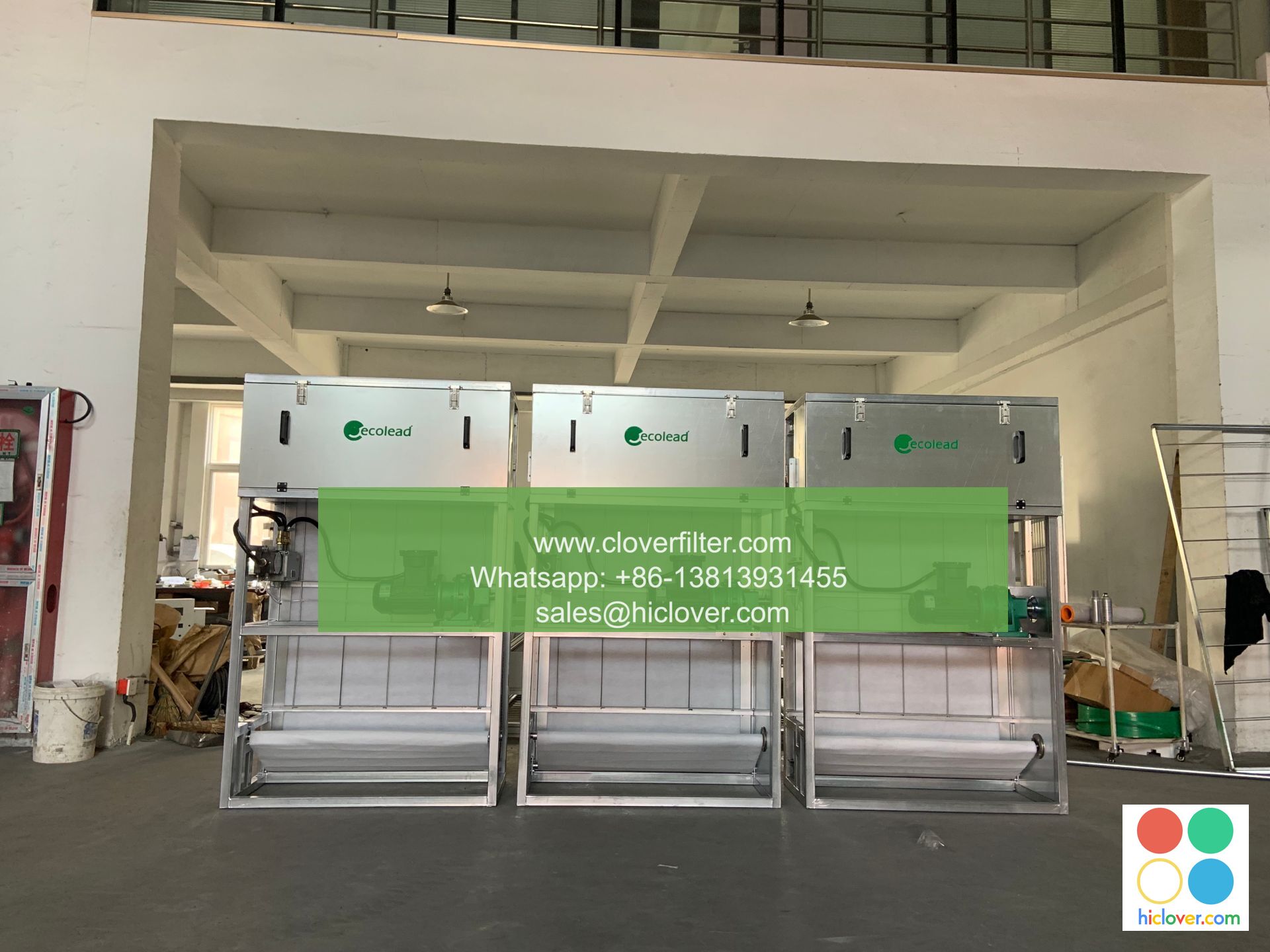
As the demand for COVID-19 testing kits continues to rise, ensuring the highest standards of cleanliness and air quality in production facilities is crucial. One essential component that contributes to maintaining these standards is the automatic roll air filter. This comprehensive guide serves as a resource for selecting the right filtering solution for cleanrooms in Hermosillo’s COVID-19 test kit production.
Understanding Air Quality in Cleanrooms

Importance of Air Quality Management
Maintaining optimal air quality in cleanrooms is essential for ensuring the integrity of the test kit production process. High particulate count, volatile organic compounds (VOCs), and microbial contaminants can compromise product quality and safety. Therefore, investing in efficient air filtration systems is vital.
What is an Automatic Roll Air Filter?
An automatic roll air filter is designed to ensure continuous and efficient air filtration in cleanroom environments. These filters utilize rolling media, which provides a compact storage solution and minimizes the frequency of replacements, thereby significantly reducing operational downtime.
Key Considerations for Selecting Air Filters
1. Filtration Efficiency

When selecting an air filter, consider the filtration efficiency rated in fractions of 0.3 microns. For cleanrooms manufacturing COVID-19 test kits, HEPA (High-Efficiency Particulate Air) filters are typically required, achieving at least 99.97% efficiency in capturing airborne particles.
2. Size and Compatibility
Ensure that the automatic roll air filter meets the specific dimensions of your cleanroom’s HVAC (Heating, Ventilation, and Air Conditioning) system. Compatibility with existing infrastructure is critical to streamline installation and optimize airflow.
3. Airflow Capacity
Consider the airflow requirements of the cleanroom. The selected air filter should facilitate sufficient air exchange rates while maintaining cleanliness. Understanding the Air Changes per Hour (ACH) formula is vital: a good cleanroom requires around 20 to 60 ACH, depending on its classification.
4. Material and Durability
The filter material must withstand the operating conditions of Hermosillo’s production environment. Look for construction with robust materials that can endure moisture and temperature variations while providing longevity.
5. Maintenance Requirements
Evaluate the maintenance needs of the air filter. Automatic roll air filters often require less manual intervention, thus saving on labor costs and ensuring consistent air quality. Consider filters that provide monitoring features for timely maintenance alerts.
Highlighting Various Application Areas
Laboratory Settings
In laboratory cleanrooms, where sterile conditions are paramount, automatic roll air filters ensure that no contamination is introduced during the testing and manufacturing processes.
Manufacturing Facilities
In the context of manufacturing COVID-19 test kits, air filters contribute to reducing the risk of cross-contamination between different components, leading to a higher-quality end product.
Pharmaceutical Production
Automatic roll air filters are also essential in pharmaceutical manufacturing settings, where precise air quality management ensures that the therapeutic efficacy of drugs is not compromised.
Conclusion
Selecting the right automatic roll air filter is vital for maintaining the high air quality necessary in Hermosillo’s cleanrooms for COVID-19 test kit production. By considering factors such as filtration efficiency, compatibility, airflow capacity, materials, and maintenance requirements, businesses can ensure they have the best filtration systems in place. With the right air filter, production facilities can uphold safety standards, improve efficiency, and ultimately contribute to public health efforts during these unprecedented times.
Frequently Asked Questions
Why are HEPA filters important in cleanrooms?
HEPA filters are essential in cleanrooms because they effectively trap airborne particles, ensuring a sterile environment vital for sensitive productions, such as those involving medical testing kits.
How often should air filters be replaced?
It typically depends on usage and environmental conditions; however, monitoring the filter’s efficiency can help determine the optimal replacement frequency. Filters with automatic features often provide alerts for changing needs.
What is the role of airflow in cleanroom standards?
Adequate airflow is crucial to prevent the concentration of particles and maintain a clean environment. Proper air exchange helps to control temperature, humidity, and contamination levels.
By integrating these factors in their decision-making process, facilities can optimize their operations and ensure compliance with stringent health standards.
