A Guide to Selecting the Right Automatic Roll Air Filters for Western University Labs

As a leading institution, Western University Labs require top-notch air filtration systems to ensure a healthy and safe environment for students, faculty, and staff. Automatic roll air filters are an essential component of these systems, and selecting the right one can be a daunting task. In this article, we will provide a comprehensive guide to help you choose the most suitable automatic roll air filters for Western University Labs, highlighting various application areas, including HEPA filtration, activated carbon filtration, and ultra-low particulate air (ULPA) filtration.
Understanding the Basics of Automatic Roll Air Filters
Before diving into the selection process, it’s essential to understand the basics of automatic roll air filters. These filters are designed to capture airborne contaminants, such as dust, pollen, and other particles, using a rolling mechanism that advances the filter media as it becomes dirty. The filter media is typically made of a synthetic fiber or glass fiber material, which is designed to capture particles as small as 0.3 microns.
Application Areas for Automatic Roll Air Filters
Western University Labs have various application areas that require different types of automatic roll air filters. Some of the key areas include:
* Research laboratories: These labs require high-efficiency particulate air (HEPA) filters that can capture 99.97% of particles as small as 0.3 microns.
* Biosafety laboratories: These labs require ULPA filters that can capture 99.999% of particles as small as 0.12 microns.
* Chemical laboratories: These labs require activated carbon filters that can capture chemical fumes and odors.
* Animal research facilities: These facilities require specialized air filters that can capture allergens and other airborne contaminants.
Key Considerations for Selecting Automatic Roll Air Filters
When selecting automatic roll air filters for Western University Labs, there are several key considerations to keep in mind:
* Filter efficiency: The filter efficiency is measured by its ability to capture particles of a certain size. Look for filters with a high minimum efficiency reporting value (MERV) rating.
* Filter media: The filter media should be durable and resistant to damage from airborne contaminants.
* Airflow rate: The airflow rate should be sufficient to handle the volume of air in the lab.
* Pressure drop: The pressure drop should be minimized to reduce energy consumption and extend the life of the filter.
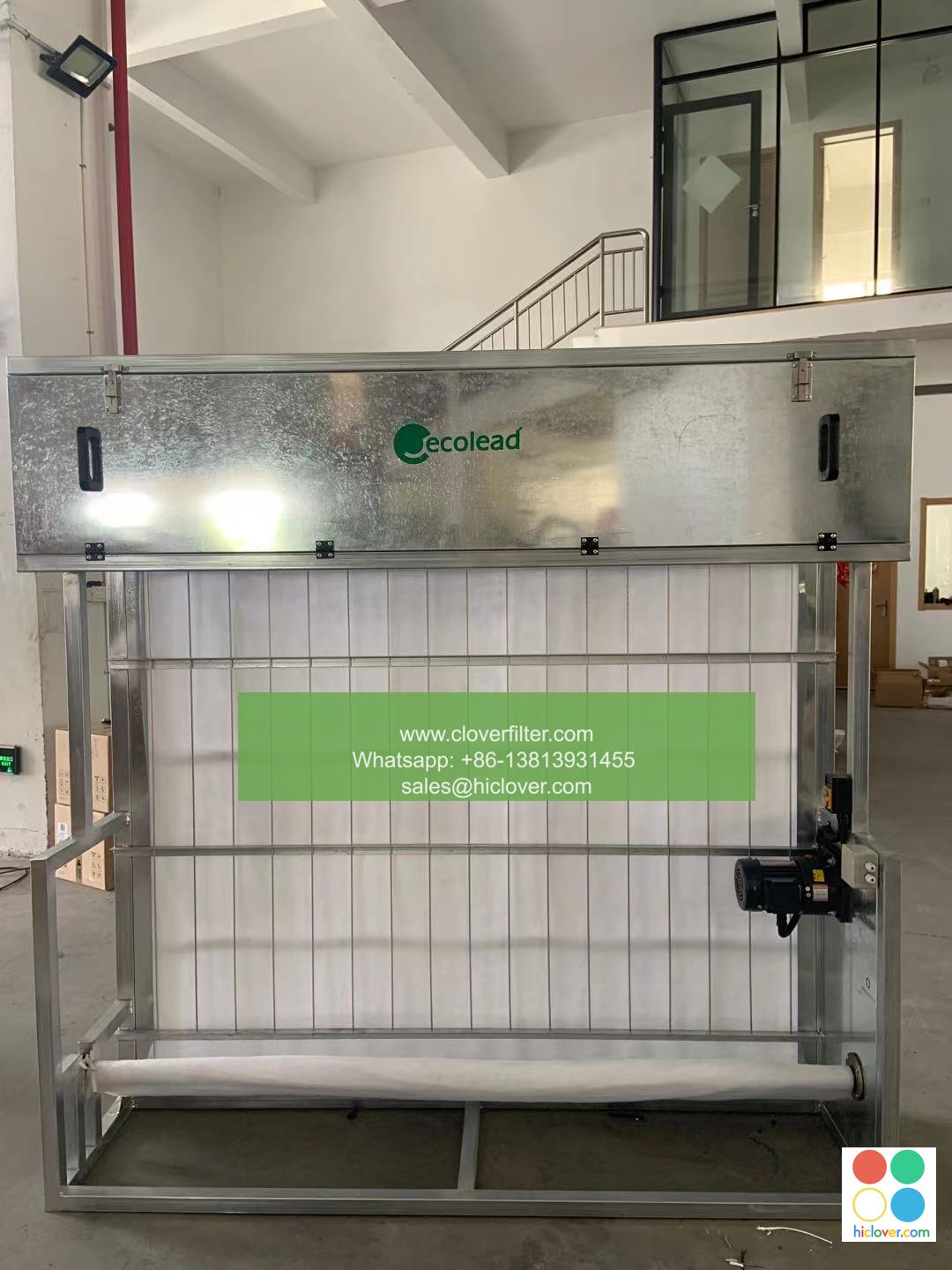
Best Practices for Maintaining Automatic Roll Air Filters
To ensure optimal performance and extend the life of automatic roll air filters, follow these best practices:
* Regular maintenance: Regularly inspect and replace the filter media as needed.
* Proper installation: Ensure the filter is properly installed and sealed to prevent bypass airflow.
* Monitoring: Monitor the filter’s performance and adjust as needed to maintain optimal airflow and filter efficiency.
By following this guide and considering the unique needs of Western University Labs, you can select the right automatic roll air filters for your application, ensuring a healthy and safe environment for everyone. Remember to highlight the importance of HEPA filtration, activated carbon filtration, and ULPA filtration in various application areas, and always follow best practices for maintaining your automatic roll air filters.
