A Guide to Understanding Air Filter Face Velocity and Its Impact on System Performance

Air filters are essential components of various systems, ensuring clean air and maintaining optimal operational performance. An important factor that significantly affects the performance of air filtration systems is air filter face velocity. This article dives into what face velocity is, how it is calculated, and its implications in different application areas, including HVAC systems, clean rooms, and industrial processes.
What is Air Filter Face Velocity?
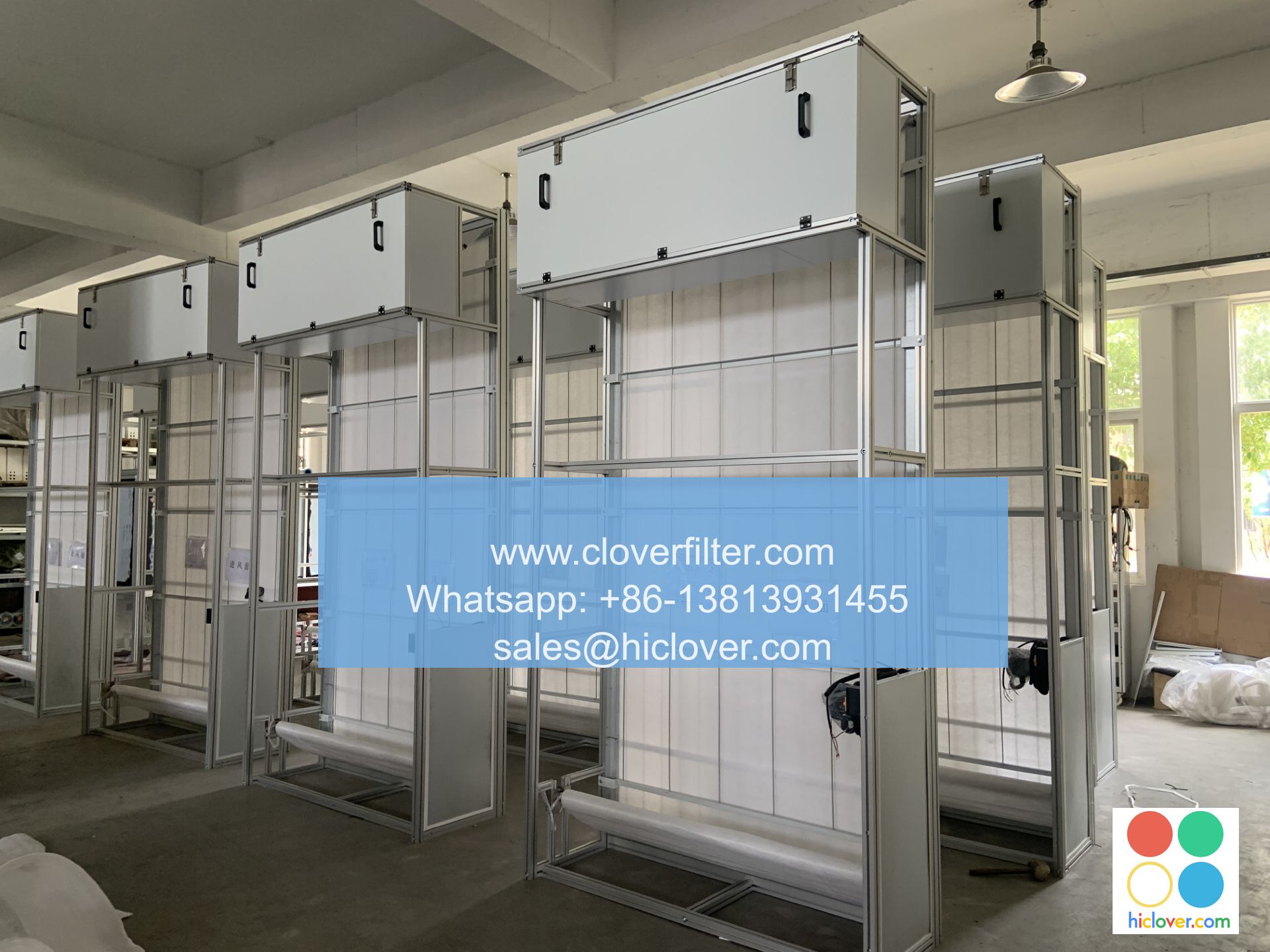
Face velocity refers to the speed of air as it flows through the face of the filter. Measured in feet per minute (FPM), it is a crucial parameter in understanding the efficiency of air filters. A well-designed system balances face velocity with the filter’s efficiency and pressure drop to optimize performance.
Calculating Face Velocity
The calculation of air filter face velocity is straightforward. It can be determined using the following formula:
Face Velocity (FPM) = Airflow Rate (CFM) / Filter Area (Square Feet)
Where:

- Airflow Rate (CFM): Cubic feet per minute of air passing through the filter.
- Filter Area: The total surface area of the filter.
The Impact of Face Velocity on System Performance
Understanding face velocity is crucial for optimizing system performance. The relationship between face velocity and filter efficiency involves several factors:
1. Filter Efficiency
Higher face velocities can lead to reduced filter efficiency. When air moves too quickly through the filter media, there may not be enough contact time for particles to be captured effectively. Conversely, a low face velocity can enhance filtration efficiency but may increase burden on the fan and energy consumption.
2. Pressure Drop
As face velocity increases, the pressure drop across the filter also tends to increase. This can cause additional strain on mechanical systems, potentially leading to increased energy consumption and reduced lifespan of the filter and fans. Therefore, achieving an optimum face velocity is vital for maintaining system efficiency.
3. Energy Consumption
A well-calibrated face velocity may yield lower energy consumption due to decreased fan speed and operational costs. Investing in energy-efficient filtration systems and considering face velocity during design can create more sustainable environments.
Applications of Face Velocity Measurement
Face velocity plays a significant role across various sectors:
1. HVAC Systems
In heating, ventilation, and air conditioning (HVAC) systems, optimal face velocity ensures adequate air circulation, maintaining indoor air quality and occupant comfort while controlling energy costs.
2. Clean Rooms
In environments requiring stringent cleanliness levels, like semiconductor manufacturing and pharmaceuticals, maintaining the correct face velocity is critical to prevent particle contamination.
3. Industrial Processes
Various industrial processes, such as chemical manufacturing and food production, rely on effective air filtration. Optimizing face velocity can enhance safety, product quality, and operational efficiency.
Conclusion
Understanding air filter face velocity is essential for maintaining optimal system performance across multiple applications. By carefully calculating face velocity and balancing it with filter efficiency and pressure drop, industries can ensure clean air, promote sustainability, and optimize energy efficiency. Whether in HVAC systems, clean rooms, or industrial processes, the significance of proper air filter face velocity cannot be understated.
It seems you might want to provide a prompt for a creative writing task, question, or topic. Please share more details or specify what kind of prompt you’re looking for, and I’ll be happy to help!
