A Review of Air Filter Technologies: Nanofiltration, Ultrafiltration, and Microfiltration
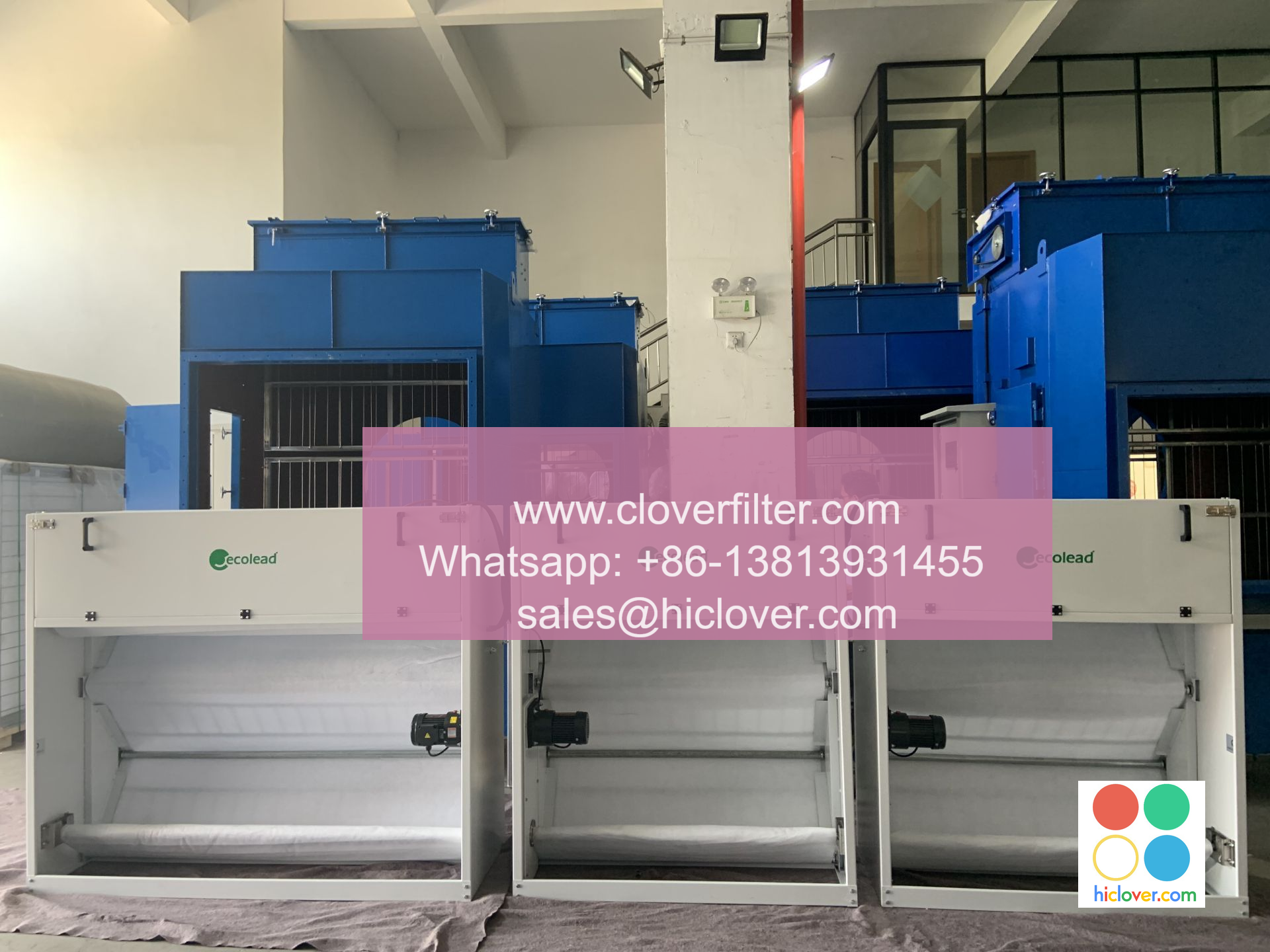
Air quality is a growing concern in today’s world, prompting the need for advanced air filtration technologies. Among the various methods available, nanofiltration, ultrafiltration, and microfiltration have emerged as powerful solutions for improving air quality in both industrial and residential settings. In this article, we will explore these three air filtration technologies, their mechanisms, and their applications in different sectors.
Understanding Filtration Technologies

What is Filtration?
Filtration is the process of separating solids from fluids (liquids or gases) by adding a medium through which only the fluid can pass. This process is essential in air purification, where particulates, pollutants, and other harmful contaminants need to be removed from the air.
The Filtration Spectrum
Air filter technologies can be categorized based on the size of the particles they can remove:
- Microfiltration (MF): Generally used to remove larger particles, typically ranging from 0.1 to 10 micrometers.
- Ultrafiltration (UF): Effective in removing smaller particles, generally ranging from 0.001 to 0.1 micrometers.
- Nanofiltration (NF): Targets nanometer-sized contaminants, generally less than 0.001 micrometers.
- Residential Air Purifiers: Used in home HVAC systems to enhance air quality.
- Food and Beverage Industry: To purify air in processing environments, ensuring product safety.
- Healthcare Facilities: To reduce airborne contaminants and pathogens in operating rooms and patient areas.
- Pharmaceuticals: Ensuring sterile environments by eliminating pathogens from the air.
- Industrial Manufacturing: Used in facilities requiring clean air conditions, such as semiconductor manufacturing.
- Emergency Response: Portable air filtration units for disaster-stricken areas, ensuring safe air quality.
- Aerospace and Aviation: Ensuring clean air in cabin environments and within manufacturing processes.
- Research Laboratories: Used for maintaining ultra-clean atmospheres in scientific experiments.
- Semiconductor Industry: Removing fine particles and impurities to protect sensitive manufacturing processes.

Microfiltration: For Larger Particles
Mechanism
Microfiltration employs membranes to capture larger particles such as dust, mold spores, and some bacteria. The process utilizes a porous medium that allows air to pass while trapping larger contaminants.
Applications
Microfiltration has a wide range of applications, including:
Ultrafiltration: Intermediate Solution
Mechanism
Ultrafiltration membranes feature smaller pores that can capture viruses, bacteria, and other microorganisms while allowing air and vapors to pass through. This technology is highly efficient and is often used in conjunction with other filtration methods for enhanced performance.
Applications
Ultrafiltration is particularly effective in various sectors, such as:
Nanofiltration: Precision Filtration
Mechanism
Nanofiltration is the most advanced filtration technology, utilizing membranes with pore sizes that can filter out nanometer-scale particles including certain gases, ions, and dissolved organic compounds. This technology is often used for high purity air requirements.
Applications
Nanofiltration is mainly applied in sectors requiring high precision, including:
Comparison of Technologies
| Technology | Particle Size Range | Main Applications |
|---|---|---|
| Microfiltration | 0.1 – 10 micrometers | Residential, Food, Healthcare |
| Ultrafiltration | 0.001 – 0.1 micrometers | Pharmaceuticals, Industrial, Emergency Response |
| Nanofiltration | < 0.001 micrometers | Aerospace, Laboratories, Semiconductors |
Conclusion
With increasing awareness of the importance of air quality, the demand for effective air filtration technologies is on the rise. Microfiltration, ultrafiltration, and nanofiltration each play a crucial role in providing clean air across various applications. While microfiltration targets larger particles, ultrafiltration and nanofiltration offer solutions for finer contaminants, ensuring cleaner and safer environments. As innovation continues, these technologies will evolve further, driving advancements in air quality management and protection against airborne pollutants.
To stay updated on the latest trends and advancements in air filtration technologies, consider following industry publications and attending relevant conferences. The future of air quality management relies heavily on these advanced filtration techniques and their continued development.
It seems like your message may have been cut off or incomplete. Could you please provide more details or clarify what you’re looking for? Whether it’s a specific writing prompt, topic for discussion, or any other request, I’m here to help!
