A Review of Automatic Roll Air Filter Technology: ConAgra’s Experience and Lessons Learned
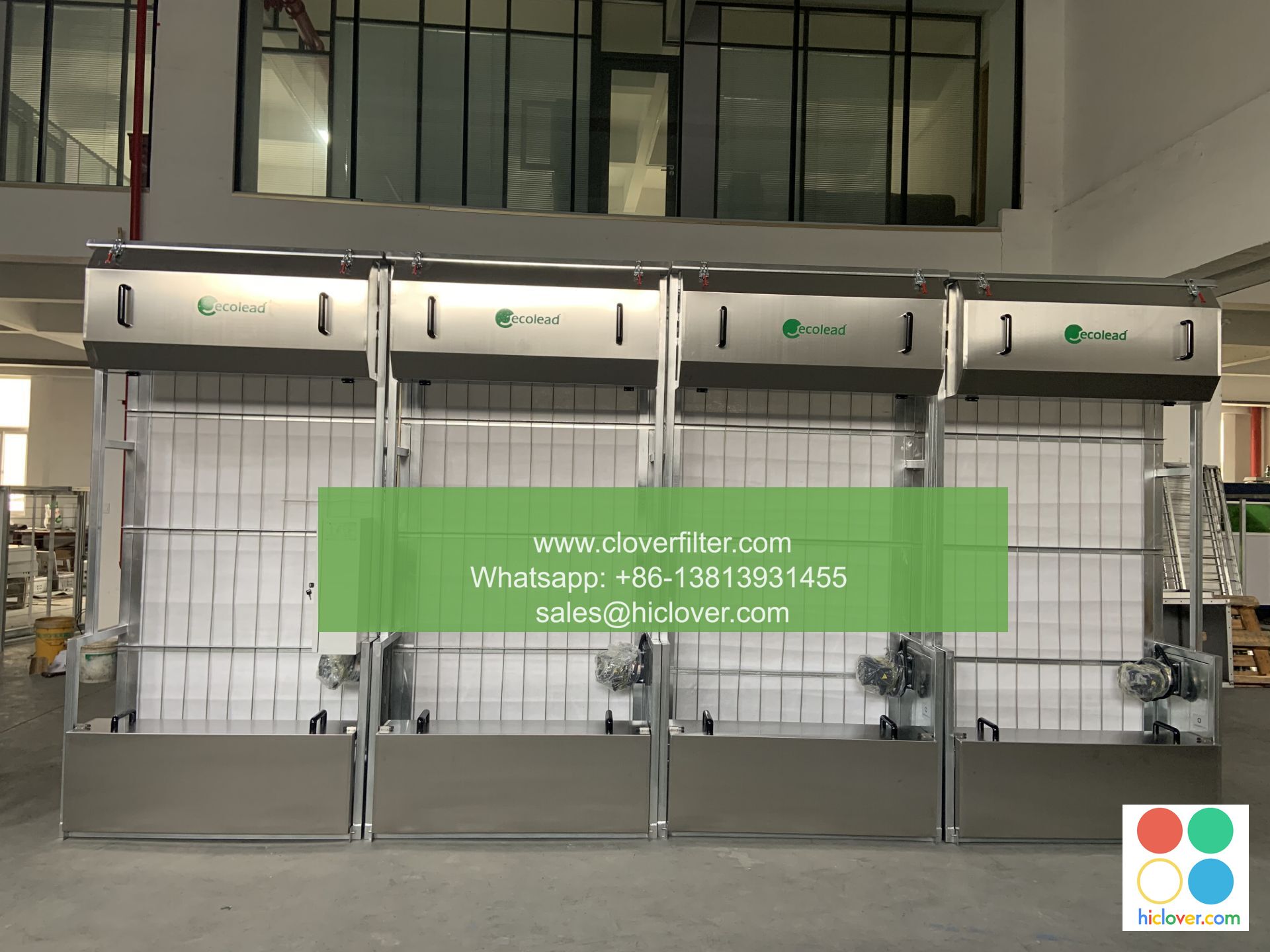
In the ever-evolving landscape of industrial efficiency and air quality management, ConAgra has emerged as a leading figure in harnessing automatic roll air filter technology. This article delves into ConAgra’s journey, exploring their implementation strategies, challenges faced, and the valuable lessons learned that highlight the technology’s extensive application areas.
Understanding Automatic Roll Air Filter Technology

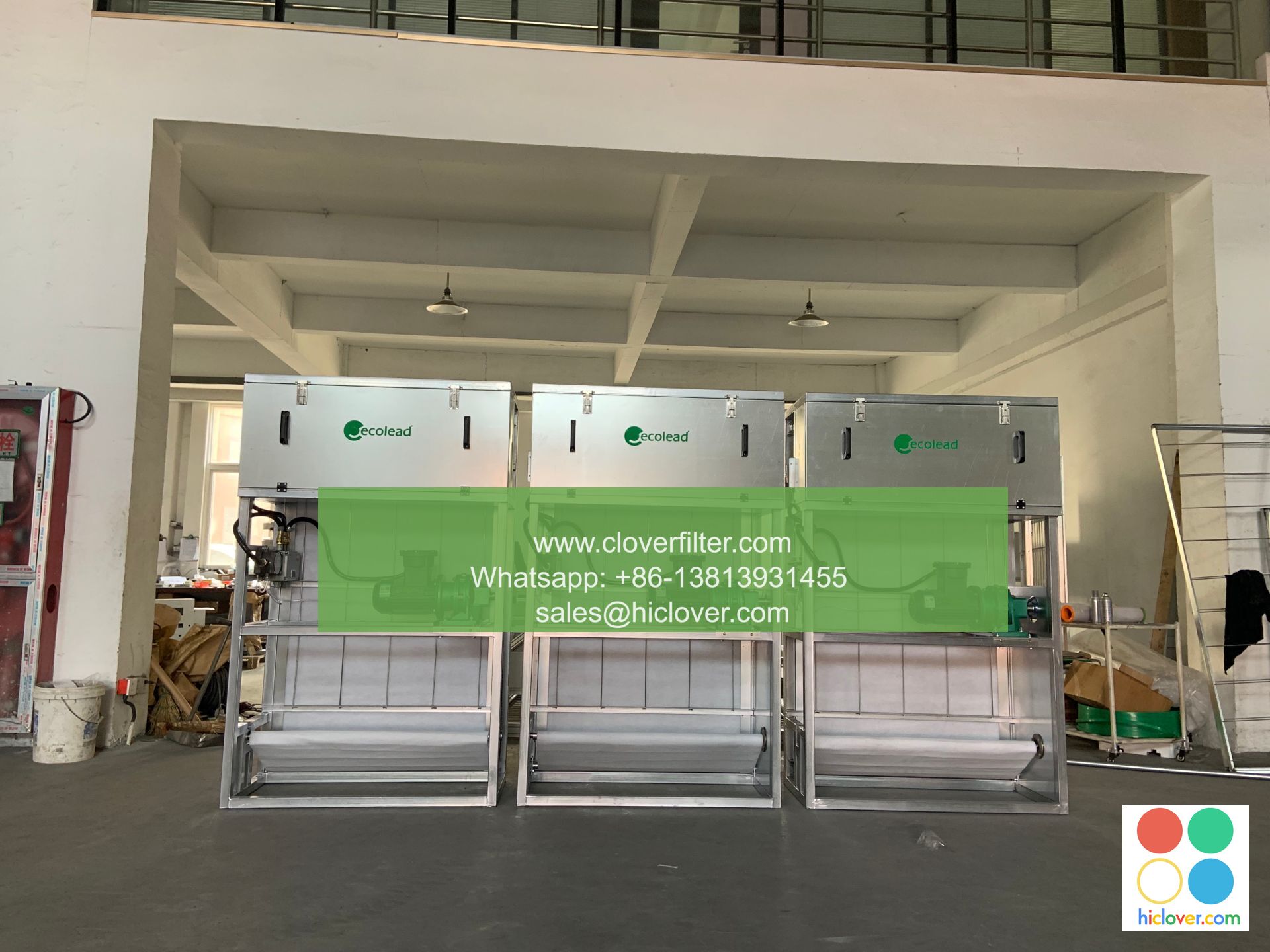
Automatic roll air filters serve as a crucial component in maintaining clean air in various industrial settings. These filters utilize a continuous roll system to capture airborne particles and contaminants, thus ensuring higher air quality and operational efficiency. The technology is particularly beneficial in industries like food processing, pharmaceuticals, and manufacturing, where maintaining an uncontaminated environment is paramount.
ConAgra’s Journey with Automatic Roll Air Filter Technology
ConAgra, a major player in the food processing industry, recognized the necessity of improving air quality within its facilities. By adopting automatic roll air filter technology, the company aimed to:
- Enhance product safety and quality.
- Reduce operational downtime caused by manual filter changes.
- Decrease maintenance costs associated with traditional filtering systems.
- Assessment and Planning: Comprehensive evaluation of existing air quality standards and system efficiencies was conducted.
- Supplier Collaboration: Engaging with technology providers to customize systems tailored to ConAgra’s specific needs.
- Training and Awareness: Ensuring staff were adequately trained to operate and maintain the new systems.
- Initial Cost: The upfront investment in technology can be significant, which may be a barrier for some facilities.
- Integration Issues: Ensuring compatibility with existing HVAC systems required additional adjustments and expertise.
- Regulatory Compliance: Adhering to strict industry regulations necessitated additional verification and process optimization.
- Importance of Planning: Thorough planning and evaluation before implementation can mitigate potential setbacks.
- Engagement of Stakeholders: Involving all levels of staff can enhance the adoption process and ensure smooth operations.
- Regular Maintenance: Consistent upkeep is essential to maximize the efficiency of air filters and prolong their lifespan.
- Food Processing: Essential for maintaining hygiene standards and product safety.
- Pharmaceutical Manufacturing: Crucial for meeting stringent air quality regulations and ensuring sterile environments.
- Industrial Manufacturing: Helps protect machinery from dust and debris, enhancing equipment longevity and efficiency.
Implementation Strategies
The transition to automatic roll air filters was meticulously planned. Key strategies included:
Challenges Encountered
While the transition to automatic roll air filters proved beneficial, ConAgra encountered several challenges along the way:
Lessons Learned
Reflecting on their experience, several key lessons emerged that can benefit other organizations considering similar technology:
Application Areas
Automatic roll air filter technology is versatile and can be applied to various sectors, including:
Conclusion
ConAgra’s experiences with automatic roll air filter technology illustrate its value in enhancing air quality and operational efficiency across multiple industries. The lessons learned during their implementation journey serve as a testament to the importance of strategic planning, stakeholder engagement, and ongoing maintenance to fully harness the benefits of this innovative technology. As industries continue to prioritize air quality, the role of automatic roll air filters is set to expand, presenting vast opportunities for improved health and environmental standards in workplace settings.
