A Review of the Latest Automatic Roll Air Filter Technologies and Their Applications in Montreal Semiconductor Factories
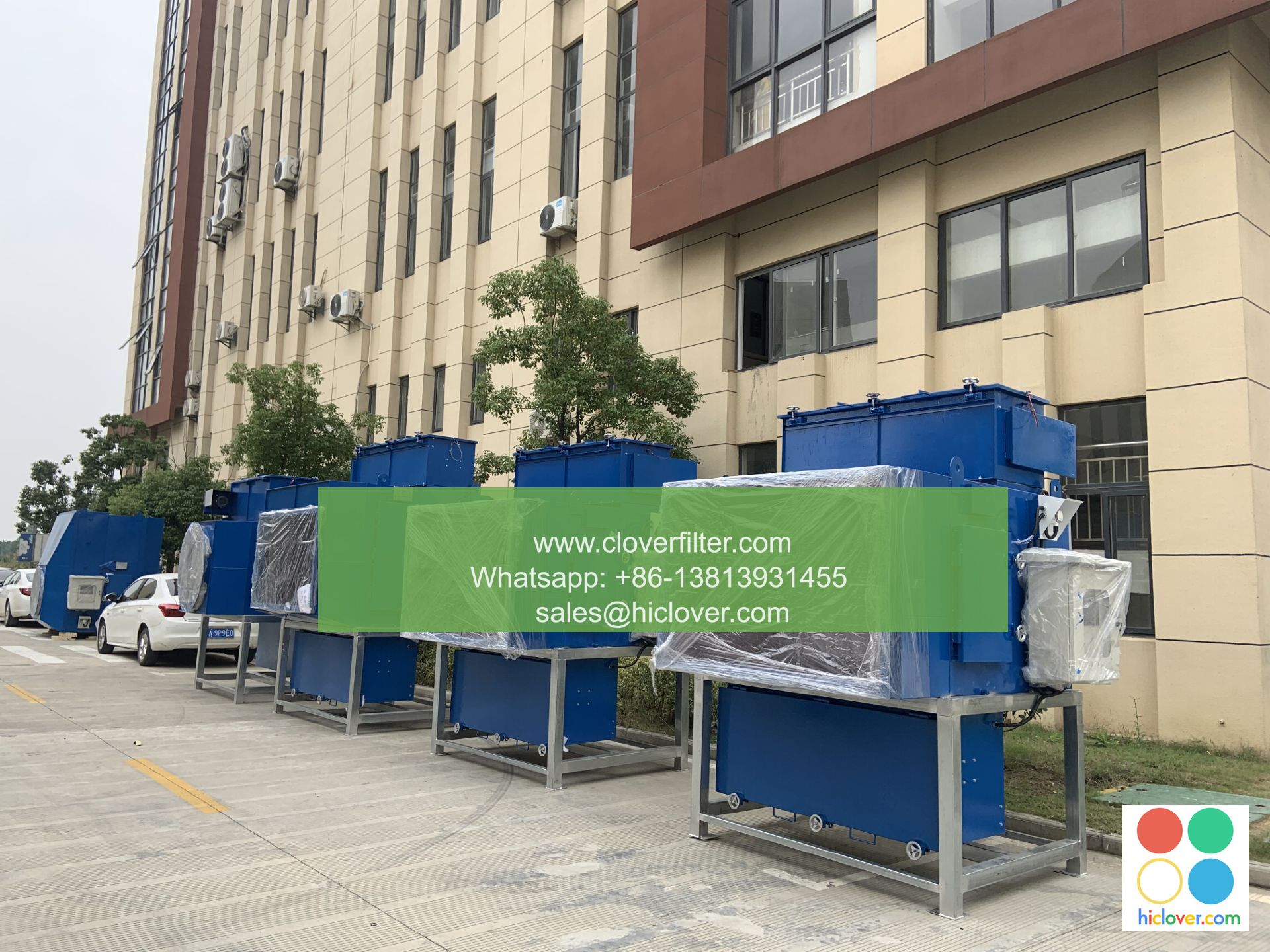
As the semiconductor industry continues to evolve, particularly in technology hubs like Montreal, the need for advanced filtration systems becomes paramount. Automatic roll air filter technologies have been at the forefront of this innovation, significantly enhancing the efficiency and cleanliness of air systems within semiconductor manufacturing facilities.
Understanding Automatic Roll Air Filters

Automatic roll air filters represent a significant technological advancement in air filtration. These filters utilize a continuous roll of filtering material that is automatically fed into the filtration system. This mechanism not only simplifies maintenance but also ensures that the filters operate at peak efficiency without the need for manual replacement. Designed to capture particulates and contaminants, these filters play a crucial role in maintaining the cleanroom environments required for semiconductor production.
Features and Benefits
One of the primary advantages of automatic roll air filters is their energy efficiency. Unlike traditional static filters that require regular changing, automatic systems dynamically adjust their settings based on air quality. This leads to reduced energy consumption and lower operational costs. Moreover, many of these filters feature smart technology that provides real-time data analytics on air quality and filter performance, allowing for timely interventions when needed.
Applications in Montreal Semiconductor Factories
Montreal is home to several high-tech semiconductor manufacturing facilities where maintaining a controlled environment is crucial. Automatic roll air filter technologies are widely implemented in these factories to ensure compliance with stringent cleanroom standards. These systems help reduce the levels of particulate contamination that can negatively impact yield and product quality.
Furthermore, the rise in the use of renewable energy in these facilities has pushed the adoption of more sustainable automatic roll air filters. These filters can operate effectively within HVAC systems powered by solar or wind energy sources, aligning with the goal of reducing the semiconductor industry’s carbon footprint.
Challenges and Future Trends
While the benefits of automatic roll air filters are substantial, there are still challenges to consider. The initial investment can be high, and integrating these systems into existing infrastructure may require significant adjustments. However, as technology evolves and the demand for cleaner, more energy-efficient production environments increases, the adoption of automatic roll air filters is likely to expand.
Looking ahead, innovation in filtration materials and IoT integration will continue to transform the landscape. The development of filters that can capture smaller particle sizes and provide predictive analytics will enhance the functionality and reliability of air quality systems in semiconductor factories.
Conclusion
The adoption of automatic roll air filter technologies in Montreal’s semiconductor factories marks a significant step forward in ensuring cleanroom integrity and production efficiency. These systems not only reduce operational costs and energy consumption but also play a pivotal role in maintaining product quality in a competitive industry. As technology advances, we can expect to see even more innovative solutions in air filtration that will meet the rigorous demands of semiconductor manufacturing.
FAQs
What are automatic roll air filters?
Automatic roll air filters are advanced filtration systems that use a continuous roll of filtering material, which is automatically adjusted and replaced without manual intervention.
Why are these filters important in semiconductor production?
They help maintain strict cleanliness standards in cleanroom environments, reducing contamination that can affect semiconductor manufacturing processes and product quality.
What are the energy efficiency benefits of these systems?
These filters dynamically adjust based on air quality and usage, leading to lower energy consumption compared to traditional static filters.
What challenges do manufacturers face when adopting this technology?
The primary challenges include the initial investment costs and the potential need for infrastructure adaptations to accommodate new systems.
