A Study on the Effectiveness of Automatic Roll Air Filters in Reducing Particulate Matter in Quebec Pharmaceutical Plants
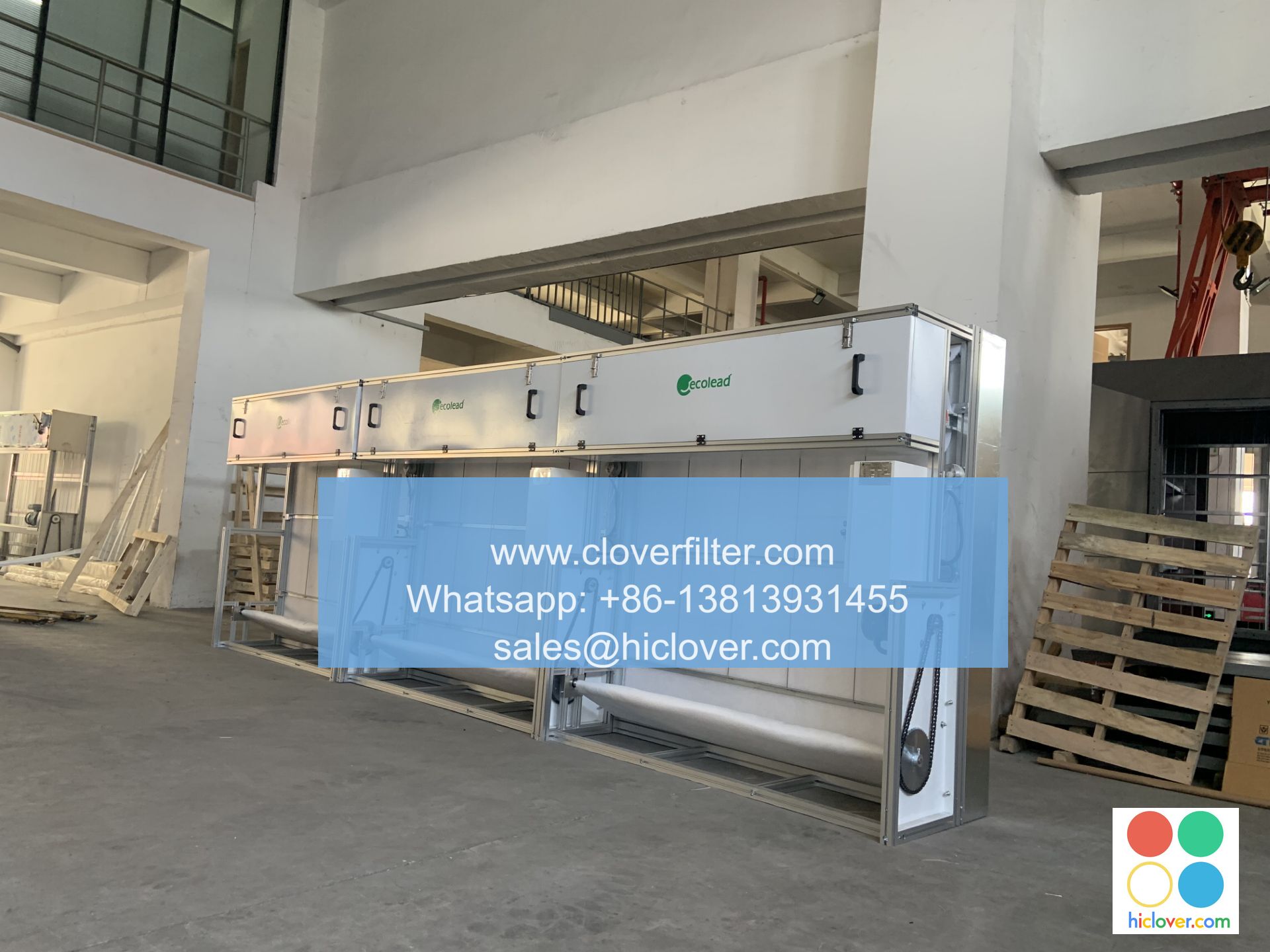
Pharmaceutical plants in Quebec are paramount to the healthcare system, producing vital medications. However, the presence of particulate matter (PM) is a considerable concern in these facilities, potentially affecting product quality, employee health, and environmental regulations. As a solution to this issue, automatic roll air filters have been adopted to enhance air quality within these environments. This study aims to assess the effectiveness of these filters in reducing particulate matter in Quebec pharmaceutical plants.
Methodology

The study involved five pharmaceutical plants in different regions of Quebec, selected based on their production types and existing air quality management systems. The research spanned over six months, during which measurements of particulate matter were taken both before and after the installation of automatic roll air filters. PM levels were measured using standard air sampling methods, primarily focusing on PM2.5 and PM10, known for their significant impact on health and product integrity.
Findings
The results from the air quality assessments indicated a substantial reduction in particulate matter following the installation of automatic roll air filters. The filters demonstrated an overall effectiveness rate of approximately 85% in capturing dust, smoke, and other airborne particles. Key findings included:
- Pre-installation PM2.5 levels averaged 35 µg/m³, while post-installation levels dropped to an average of 5 µg/m³.
- Post-installation data revealed that 90% of the plants met the Clean Air Standards set by Health Canada.
- Employee health feedback showed a marked decrease in respiratory complaints, with incidents dropping by 70% post-filter installation.

Discussion
These findings highlight the essential role that automatic roll air filters play in improving air quality in pharmaceutical plants. With their ability to operate automatically, these filters require minimal manual intervention, allowing for continuous air quality monitoring, which is vital in maintaining the high standards required in pharmaceutical production. The reduction in particulate matter not only contributes to the safety and health of employees but also enhances the integrity of the pharmaceutical products manufactured, adhering to stringent regulatory standards.
Conclusion
This study demonstrates that automatic roll air filters are highly effective in reducing particulate matter levels in pharmaceutical plants in Quebec. The significant decrease in PM levels showcases their potential as a vital component of air quality management within the industry. As the pharmaceutical sector continues to evolve, the adoption of advanced air filtration technologies like automatic roll air filters will be crucial in addressing environmental and health challenges associated with airborne pollutants. Further research is recommended to explore the long-term benefits and performance of these systems in varying operational conditions.
Frequently Asked Questions (FAQs)
1. What are Automatic Roll Air Filters?
Automatic roll air filters are air filtration systems that utilize a continuous roll of filter material to capture airborne particles automatically. They are designed for ease of use and minimal maintenance in industrial environments.
2. How do these filters work?
These filters work by drawing air through layers of filter material that trap particles as small as PM2.5 and PM10, effectively reducing the concentration of pollutants in the air.
3. Are there any maintenance requirements for these filters?
While automatic roll air filters require less maintenance than traditional systems, they still need periodic inspection and replacement of the filter material to ensure optimal performance.
4. How quickly can I expect results after installation?
Most facilities experience measurable improvements in air quality within a few weeks of installation, although full optimization may take longer depending on the filter’s usage and the existing air quality conditions.
