A Tutorial on Air Filter Sensors and Monitoring Systems
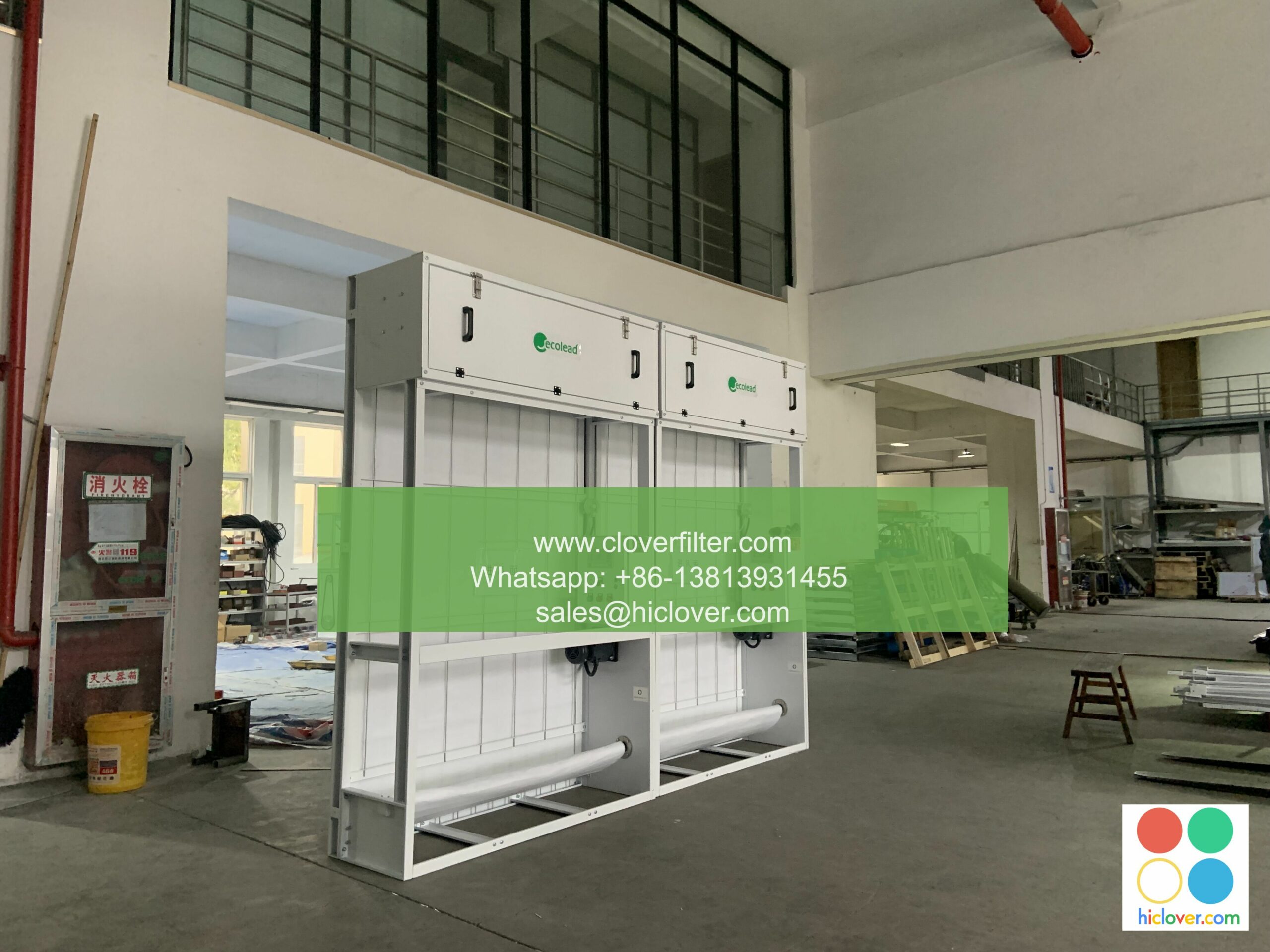
Air filter sensors and monitoring systems have become an essential component in maintaining indoor air quality (IAQ) and ensuring the efficient operation of heating, ventilation, and air conditioning (HVAC) systems. In this article, we will delve into the world of air filter sensors and monitoring systems, exploring their key components, working principles, and various application areas.
Introduction to Air Filter Sensors
Air filter sensors are devices designed to monitor the condition of air filters in real-time, providing vital information on filter performance, airflow, and pressure drop. These sensors can detect even slight changes in filter conditions, enabling prompt maintenance and replacement, which is crucial for maintaining optimal IAQ and reducing energy consumption. By integrating air filter sensors with building management systems (BMS) or building automation systems (BAS), facilities can optimize their HVAC operations, minimize downtime, and prolong equipment lifespan.
Working Principle of Air Filter Sensors
Air filter sensors operate based on various sensing technologies, including differential pressure sensors, airflow sensors, and optical sensors. Differential pressure sensors measure the pressure drop across the filter, which indicates the filter’s condition and potential for clogging. Airflow sensors, on the other hand, monitor the airflow rate through the filter, enabling the detection of any changes in filter performance. Optical sensors use light beams to detect particles and contaminants in the air, providing a direct measurement of filter efficiency.
Types of Air Filter Sensors
Several types of air filter sensors are available, each with its unique characteristics and application areas. Some of the most common types include:
* Differential Pressure Sensors: These sensors measure the pressure drop across the filter and are commonly used in commercial and industrial HVAC applications.
* Airflow Sensors: These sensors monitor the airflow rate through the filter and are often used in residential and light commercial applications.
* Optical Sensors: These sensors use light beams to detect particles and contaminants in the air and are frequently used in high-efficiency particulate air (HEPA) filter applications.

Application Areas of Air Filter Sensors
Air filter sensors and monitoring systems have a wide range of application areas, including:
* Indoor Air Quality (IAQ) Monitoring: Air filter sensors help maintain optimal IAQ by detecting changes in filter performance and enabling prompt maintenance.
* Heating, Ventilation, and Air Conditioning (HVAC) Systems: Air filter sensors optimize HVAC operations, reduce energy consumption, and prolong equipment lifespan.
* Industrial Process Control: Air filter sensors monitor filter condition and airflow in industrial processes, ensuring efficient operation and minimizing downtime.
* Pharmaceutical and Healthcare Applications: Air filter sensors maintain critical environments, such as cleanrooms and operating rooms, by monitoring filter efficiency and detecting potential contamination.
* Transportation and Aerospace Applications: Air filter sensors are used in aircraft, vehicles, and other transportation systems to maintain cabin air quality and ensure passenger safety.
Benefits of Air Filter Sensors and Monitoring Systems
The implementation of air filter sensors and monitoring systems offers numerous benefits, including:
* Improved Indoor Air Quality (IAQ): Air filter sensors help maintain optimal IAQ, reducing the risk of airborne diseases and improving occupant health.
* Energy Efficiency: Air filter sensors optimize HVAC operations, reducing energy consumption and minimizing waste.
* Extended Equipment Lifespan: Air filter sensors enable prompt maintenance and replacement, prolonging equipment lifespan and reducing maintenance costs.
* Enhanced System Reliability: Air filter sensors detect potential issues before they become major problems, ensuring system reliability and minimizing downtime.
Conclusion
In conclusion, air filter sensors and monitoring systems play a vital role in maintaining indoor air quality, optimizing HVAC operations, and ensuring the efficient operation of various applications. By understanding the key components, working principles, and application areas of air filter sensors, facilities can make informed decisions and implement effective monitoring systems. As the demand for air filter sensors and monitoring systems continues to grow, it is essential to stay up-to-date with the latest technologies and trends in this field, ensuring a healthier, more efficient, and more sustainable future. You haven’t asked a question or provided any context for me to work with. Please provide more information or ask a specific question, and I’ll do my best to assist you. What’s on your mind?
