Actual Size in Electronics: Why Precision Matters
Key Takeaways
- Understanding nominal size vs actual size is crucial for effective air filtration solutions.
- Automatic Roll Air Filters offer precise air quality control with advanced features.
- Proper selection of air filters can lead to significant energy savings and maintenance reduction.
- Compliance with standards like ISO 16890 and MERV improves air quality management.
- Real-world applications demonstrate the importance of tailored filtration systems.
- Selecting the right configuration enhances the operational efficiency of HVAC systems.
- Roll Media Advance Logic: The media automatically advances when a pre-set differential pressure is reached, meaning that the filter remains effective and does not become a liability.
- Differential Pressure Trigger: This feature alerts maintenance personnel when a cleaning or replacement is necessary, thus maintaining high filtration levels without constant monitoring.
- Timer Mode: Automates replacement cycles based on time rather than just pressure, optimizing the maintenance schedule and ensuring the media operates within its peak performance period.
- Fresh Air Intake: Enhancing indoor air quality by filtering outdoor air.
- Return Air Processing: Removing contaminants from air being recirculated within a facility.
- Make-Up Air Applications: Ensuring incoming air meets cleanliness standards, critical for maintaining air quality in sensitive environments.
- Airflow Range: Ensure the filter can handle the expected air volume.
- Face Velocity: Determine the speed at which air passes through the filter media.
- Media Width/Length: Match dimensions to existing system ductwork.
- Frame Size: Compatibility with filter housing dimensions.
- Control Options: Automatic triggering versus manual activation.
- Power Supply: Assess electrical needs based on the design.
- Installation Location: Evaluate whether the unit will be placed in a fresh air intake, return air, or process application.
- Neglecting to consider nominal size vs actual size when ordering filters.
- Failing to calculate the airflow requirements properly.
- Overlooking the pressure drop characteristics of different filter types.
- Ignoring maintenance schedules and relying solely on visual inspections.
- Selecting filters without considering their intended application.
- Underestimating the importance of media quality and effectiveness ratings.
- Skipping the installation instructions due to perceived familiarity.
- Misjudging the required frame size leading to air bypassing.
- Allowing for inadequate power supply allocation.
-
Data Center: Utilizing Automatic Roll Air Filters can drastically reduce downtime and improve energy efficiency by maintaining optimal airflow and cleanliness, critical for sensitive computer equipment.
-
Lithium Battery Factory: In environments where particulate control is vital, these filters help ensure compliance with quality management standards while reducing risks of contamination.
-
Paint Shop: The roll filter system efficiently manages overspray and volatile organic compounds, ensuring a cleaner working environment and compliance with health and safety standards.
-
Textile/Steel/Cement Plant: Heavy-duty air filtration in these sectors minimizes particulate emission and optimizes operational efficiency, promoting a safer working atmosphere.

Understanding Nominal Size vs Actual Size
In the realm of industrial air filtration, especially in HVAC applications, the concept of nominal size vs actual size plays a pivotal role. Nominal size refers to standard dimensions used in design and planning, while actual size pertains to the real-world measurements of the components. This difference is critical when selecting filters for specific applications within environments such as factories, cleanrooms, and data centers. Failure to account for these size discrepancies can lead to inadequate filtration performance, increased energy costs, and even safety hazards.

What is an Automatic Roll Air Filter?
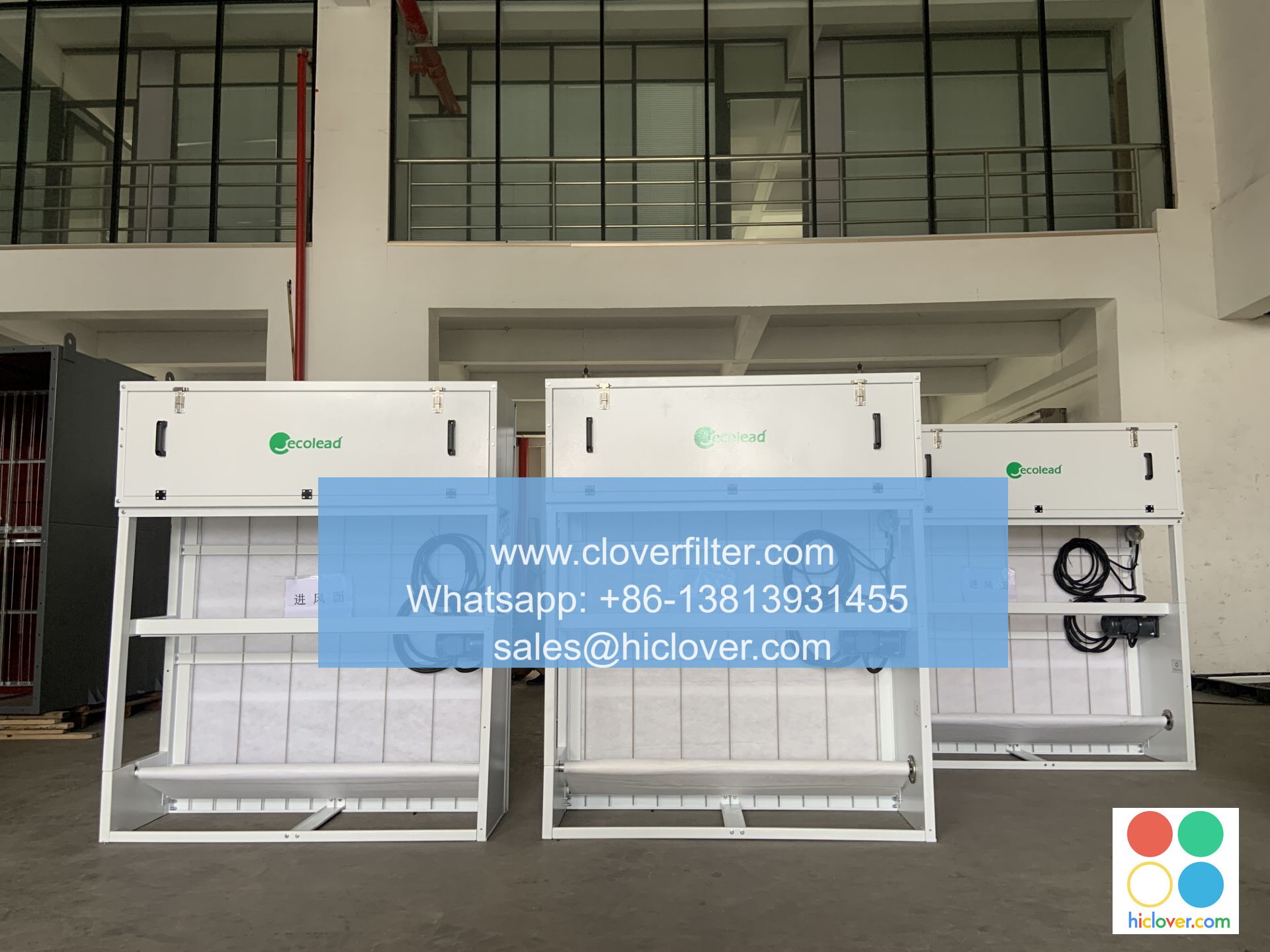
An Automatic Roll Air Filter is a sophisticated piece of equipment designed to enhance air quality in HVAC and AHU systems. It utilizes a continuous roll media that advances as particles accumulate, ensuring consistent filtration efficiency. The filter is triggered by differential pressure changes, indicating when maintenance or media replacement is necessary. This proactive approach not only ensures optimal air quality but also minimizes downtime and maintenance costs.
How It Works
The operational efficiency of an Automatic Roll Air Filter lies in its unique design:
Where It Fits in HVAC/AHU Systems
Automatic Roll Air Filters can be integrated into various areas of HVAC systems, such as:
Practical Selection Guide
When selecting the right Automatic Roll Air Filter, consider the following factors:
Filter Comparison Table
| Type of Filter | Best Use Case | Maintenance | Pressure Drop Behavior | Operating Cost | Typical Risk/Downside |
|---|---|---|---|---|---|
| Automatic Roll Filter | High-efficiency needs | Low (from automation) | Steady | Moderate to High | Media availability |
| Bag Filter | General purpose | Moderate | Fluctuating | Low | Space requirement |
| Panel Filter | Basic filtration | High | Low | Low | Short lifecycle |
| V-bank Filter | Large volumes | Moderate | Moderate | Moderate | Installation complexity |
Common Mistakes & How to Avoid Them
Real-World Scenarios
FAQ Section
1. What is the difference between nominal size and actual size?
Nominal size refers to standard or theoretical dimensions, while actual size signifies the measurements of the filter components as they are produced.
2. How do I determine the right air filter for my facility?
Consider factors such as airflow requirements, face velocity, and the specific application when selecting a filter.
3. Why is differential pressure monitoring important?
It ensures filters are replaced or cleaned at optimal times, preventing decreased efficiency due to clogged filters.
4. Can Automatic Roll Air Filters be used in all HVAC systems?
While versatile, compatibility checks with existing HVAC systems are necessary before installation.
5. What maintenance is required for Automatic Roll Air Filters?
These filters automate much of the maintenance process but should still be routinely checked for proper operation.
6. How do I ensure compliance with air quality standards?
Selecting filters that meet general industry frameworks such as ISO 16890 or MERV ratings is advisable, but exact certifications should be verified on request.
7. Do Automatic Roll Air Filters save energy?
Yes, their efficient design can reduce overall energy consumption, leading to cost savings while enhancing air quality.
8. Are Automatic Roll Air Filters suitable for cleanrooms?
Yes, they can be tailored to meet the stringent cleanliness requirements of cleanroom applications.
9. What is the average lifecycle of a roll filter?
Lifecycles can vary, but appropriate maintenance and monitoring help optimize their performance longevity.
10. Where can I get more information about CloverFilter’s products?
Visit CloverFilter’s website for comprehensive product details and support.
Meta Description: Explore why understanding nominal size vs actual size is crucial for selecting Automatic Roll Air Filters in industrial settings.
CloverFilter is dedicated to providing efficient air filtration solutions for various industrial applications. For more details, visit CloverFilter.
It looks like you entered “Prompt,” but I’d need more context to assist you effectively. Are you looking for writing prompts, specific topics to discuss, or something else? Please provide more details, and I’ll be happy to help!
