Advanced Computational Techniques in Air Filter Design
Key Takeaways
- Learn about advanced air filter design techniques for optimal performance.
- Explore the features of the Automatic Roll Air Filter.
- Understand the importance of differential pressure and timer modes.
- Get a practical selection guide for air filter design.
- Compare different air filter types including bag and panel filters.
- Discover common mistakes in air filter selection and use.
- Read real-world application scenarios in various industries.
- Airflow Range: Understand the airflow requirements for your specific application.
- Face Velocity: Determine the optimal face velocity for effective filtration without excessive pressure drop.
- Media Width/Length: Choose the appropriate dimensions based on installation space and airflow needs.
- Frame Size: Ensure that the frame fits existing ductwork and systems.
- Control Options: Select advanced controls that suit operational needs, whether manual or automatic.
- Power Supply: Assess the power requirements for operation and integration with existing systems.
- Installation Location: Identify the ideal location within your HVAC system—fresh air intake, return, or process—to maximize performance.
- Not Assessing Airflow Needs: Ensure accurate airflow measurement before selecting filters.
- Overlooking Maintenance Requirements: Consider how often filters will need replacement.
- Choosing the Wrong Media Type: Select media suitable for the specific contaminants present.
- Ignoring Differential Pressure: Regularly monitor pressure drops to ensure optimal performance.
- Neglecting Dynamic Changes: Adapt to environmental changes that may affect filter performance.
- Inadequate Size Selection: Ensure that frame sizes meet the constraints of existing systems.
- Underestimating Cost Implications: Consider the long-term operational costs, not just initial expenses.
Understanding Air Filter Design
In the realm of HVAC systems, effective air filter design is pivotal for maintaining air quality while optimizing energy efficiency. Advanced computational techniques are transforming the way we approach air filter design, particularly with solutions like the Automatic Roll Air Filter. This innovative product utilizes intricate design algorithms to enhance usability and operational effectiveness, making it an ideal choice for environments ranging from cleanrooms to large manufacturing plants.

What is an Automatic Roll Air Filter?
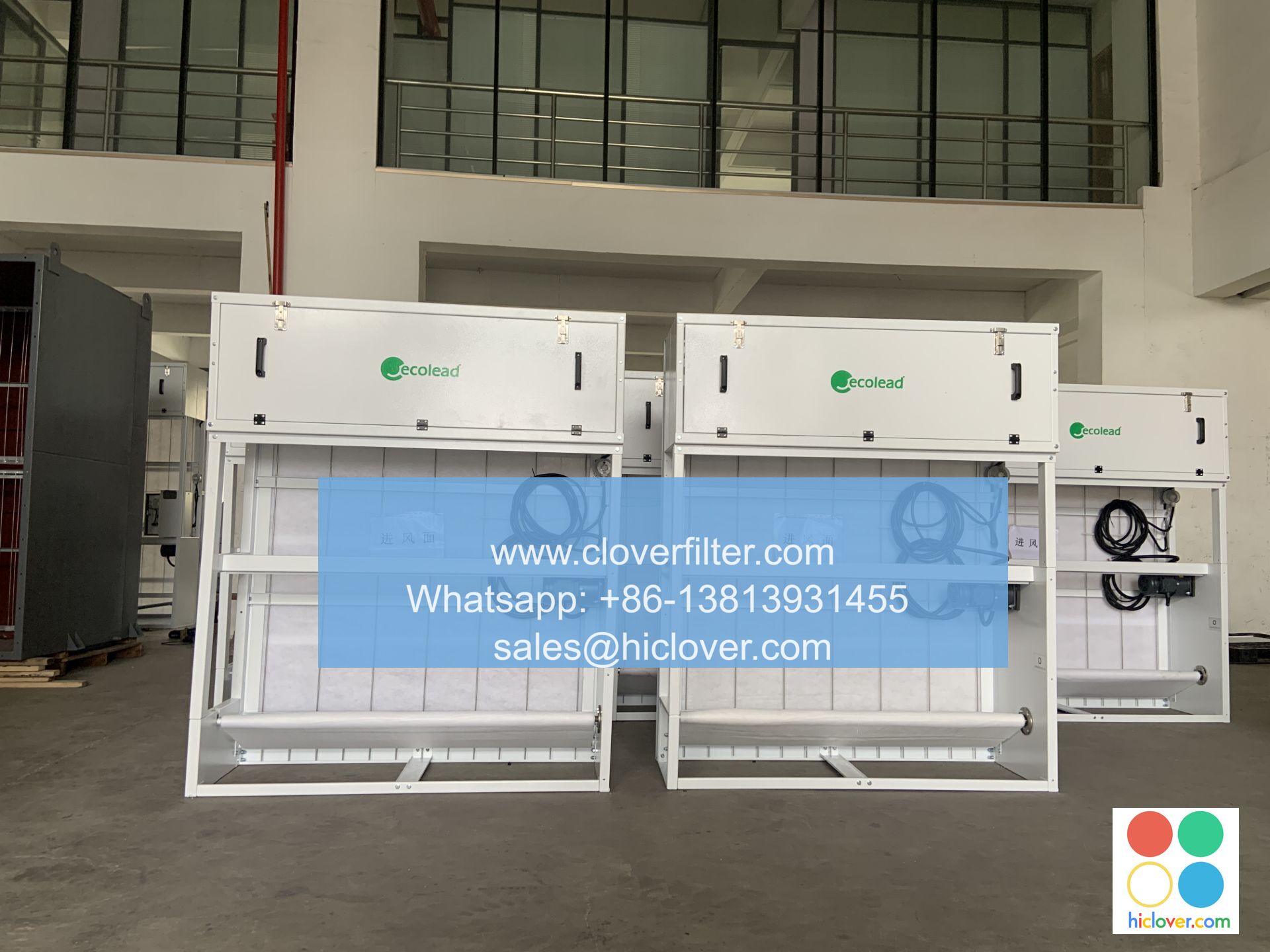
An Automatic Roll Air Filter is a sophisticated air filtration system designed to deliver consistent clean air while minimizing maintenance efforts. It features a roll media advance logic that allows it to automatically adjust to varying differential pressure levels. This means that the system can optimize airflow and filter efficiency based on real-time conditions. The timer mode allows the filter to operate in intervals, ensuring the media is adequately changed without human intervention—boosting energy savings and reducing the need for frequent maintenance.
How Automatic Roll Air Filters Fit in HVAC/AHU Systems
In HVAC and AHU systems, the Automatic Roll Air Filter serves as a crucial component. It can be installed at various points such as fresh air intakes, return ducts, or process areas. This adaptability makes it suitable for multiple applications, whether for make-up air systems or as a prefilter. Its design inherently supports high face velocities, ensuring that contaminants are captured efficiently while keeping operational costs in check.
Practical Selection Guide for Air Filter Design
Selecting the right air filter design requires careful consideration of several factors:
Comparison of Filter Types
| Filter Type | Best Use Case | Maintenance | Pressure Drop Behavior | Operating Cost | Typical Risk/Downside |
|---|---|---|---|---|---|
| Automatic Roll Air Filter | Cleanrooms, data centers | Low | Dynamic; responsive | Moderate | Dependence on technology |
| Bag Filter | General commercial use | Medium | Consistent | Low to moderate | Bulky, higher weight |
| Panel Filter | Light commercial setups | Low | Moderate | Low | Limited particulate control |
| V-bank Filter | High-efficiency needs | Medium | Steady | Higher | Complexity in installation |
Common Mistakes & How to Avoid Them
Real-World Scenarios
Data Center
A major data center implemented the Automatic Roll Air Filter to manage the vast airflow needed for cooling systems. By using advanced computational design, the facility minimized energy costs while maintaining optimal operating conditions.
Battery Factory
In a lithium battery manufacturing plant, the Automatic Roll Air Filter efficiently filtered airborne contaminants that could compromise product quality. The differential pressure feature triggered timely media replacements, thus ensuring process integrity.
Paint Shop
Air quality in a paint booth is critical to prevent defects. The Automatic Roll Air Filter was deployed here, reducing particulate matter while enabling smooth transitions between different painting tasks.
Textile/Cement Plant
In high-demand environments like textile and cement plants, the roll filter’s capacity for handling heavy loads allowed for consistent air cleanliness, minimizing machine wear and improving worker safety.
Conclusion
The integration of advanced computational techniques in air filter design brings remarkable efficiency and flexibility to HVAC solutions. The Automatic Roll Air Filter demonstrates how innovation can lead to improved air quality, reduced energy costs, and streamlined maintenance.
For enhanced solutions tailored specifically for your applications, consider reaching out to CloverFilter through their contact page to learn more.
Meta Description: Explore advanced computational techniques in air filter design, focusing on the Automatic Roll Air Filter and its role in optimal HVAC performance.
It seems like you might be looking for a specific prompt or topic to discuss. Could you clarify what kind of prompt or subject you’re interested in? That way, I can assist you better!
