Aerospace Cleanroom Airborne Contaminant Control: The Role of Automatic Roll Filters
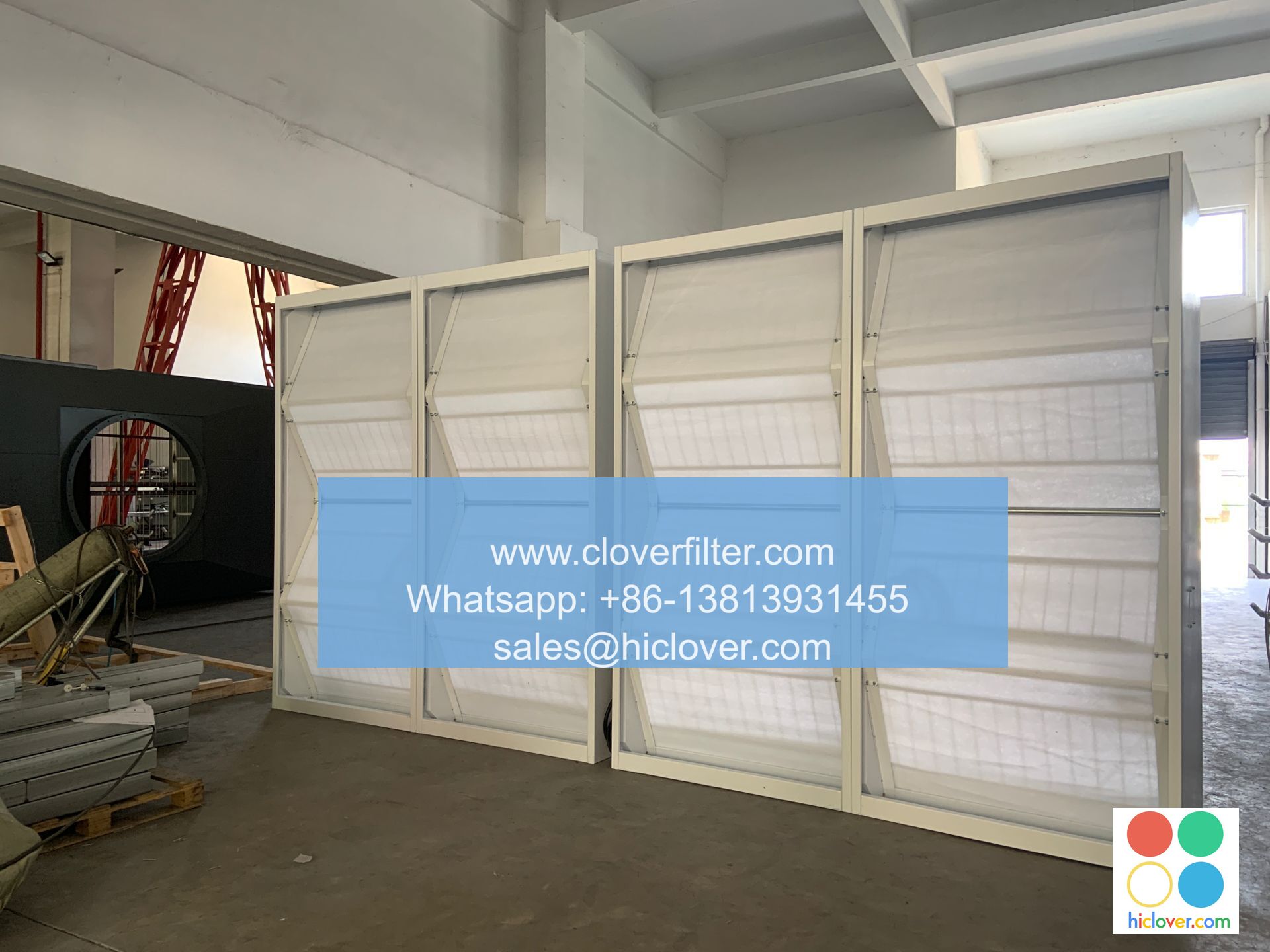
In the aerospace industry, the integrity of cleanrooms is critical to ensure the safety and performance of aircraft and spacecraft components. With the increasing precision requirements and advanced technologies, airborne contaminants can pose significant risks. This article delves into how automatic roll filters contribute to airborne contaminant control in aerospace cleanrooms, enhancing the overall quality and reliability of operations.
Understanding Cleanroom Standards in Aerospace

Aerospace cleanrooms are controlled environments where the concentration of airborne particles is tightly regulated. These facilities must comply with strict standards, such as ISO 14644-1, which outlines the cleanliness levels required for various applications. The control of airborne contaminants is essential in cleanrooms, as even minute particles can compromise sensitive aerospace components.
Key Contaminants in Aerospace Cleanrooms
Several types of airborne contaminants can affect cleanroom operations, including:
- Dust and Dirt Particles: Often introduced during assembly and manufacturing processes.
- Chemical Vapors: Emissions from various materials used in aerospace operations, such as solvents and polymers.
- Microbial Contaminants: Bacteria and fungi that can originate from personnel or equipment.

The Importance of Air Filtration in Cleanrooms
Air filtration is paramount in maintaining cleanroom standards. Effective contaminant control mechanisms must be integrated to ensure a high degree of cleanliness. One commonly used solution is the automatic roll filter, which plays a crucial role in managing airborne contaminants in aerospace cleanrooms.
What are Automatic Roll Filters?
Automatic roll filters are innovative filtration systems designed to continuously clean the air in controlled environments. These filters utilize a roll of filter media that can be advanced automatically, ensuring that fresh, uncontaminated sections of the filter media are always in use. This automatic advancement reduces manual intervention, maintains consistent air quality, and optimizes filter performance.
How Automatic Roll Filters Enhance Contaminant Control
1. Continuous Cleaning Process
The most significant advantage of automatic roll filters is their ability to provide a continuous cleaning process. This feature ensures that airborne contaminants are removed efficiently, reducing the likelihood of particle accumulation and contamination of sensitive materials.
2. Reduced Downtime
Automatic roll filters minimize the need for frequent manual filter changes. As the system is designed to automatically advance the roll, there is less disruption to the workflow, allowing aerospace manufacturers to maintain productivity while ensuring cleanroom integrity.
3. Cost-Effective Solution
Investing in automatic roll filters can lead to long-term cost savings. As these systems require fewer manual changes and maintenance, the operational costs associated with labor and downtime are significantly lower, ultimately improving the bottom line for aerospace companies.
4. Customization for Specific Needs
Automatic roll filters can be customized to meet specific cleanroom requirements, including differential pressure and air quality standards. This level of customization ensures that aerospace manufacturers can tailor their filtration systems to their operational needs, maximizing efficiency and effectiveness.
Application Areas of Automatic Roll Filters in Aerospace
1. Manufacturing of Aerospace Components
In aerospace manufacturing, where precision is vital, automatic roll filters are used to maintain cleanroom environments, ensuring that components such as electronic parts, engines, and fuselages are free from airborne contaminants that could compromise quality.
2. Spacecraft Assembly and Testing
The assembly and testing phases of spacecraft production demand exceptionally low levels of airborne contaminants. Automatic roll filters help create and maintain these critical conditions, thus enhancing the efficacy of testing procedures.
3. Research and Development
In R&D environments, where new technologies are developed, maintaining cleanroom standards is crucial to avoid interference from airborne particles. Automatic roll filters provide an effective solution, allowing researchers to work on cutting-edge aerospace innovations with peace of mind.
Conclusion
Airborne contaminant control is paramount in aerospace cleanrooms, and automatic roll filters play a significant role in ensuring high standards of cleanliness and efficiency. Their ability to provide continuous filtration, reduce downtime, and offer tailored solutions makes them an essential component in the aerospace industry’s battle against contamination. As technological advancements continue to evolve, integrating innovative solutions like automatic roll filters will be pivotal in maintaining the integrity and performance of aerospace operations.
In summary, automatic roll filters are not just a convenient addition; they represent a crucial element in ensuring the aerospace sector remains at the forefront of safety and efficiency. Implementing these systems will help aerospace manufacturers achieve their operational goals while adhering to stringent cleanroom standards.
