Aerospace Cleanroom Requirements: Automatic Roll Air Filters and Other Control Measures
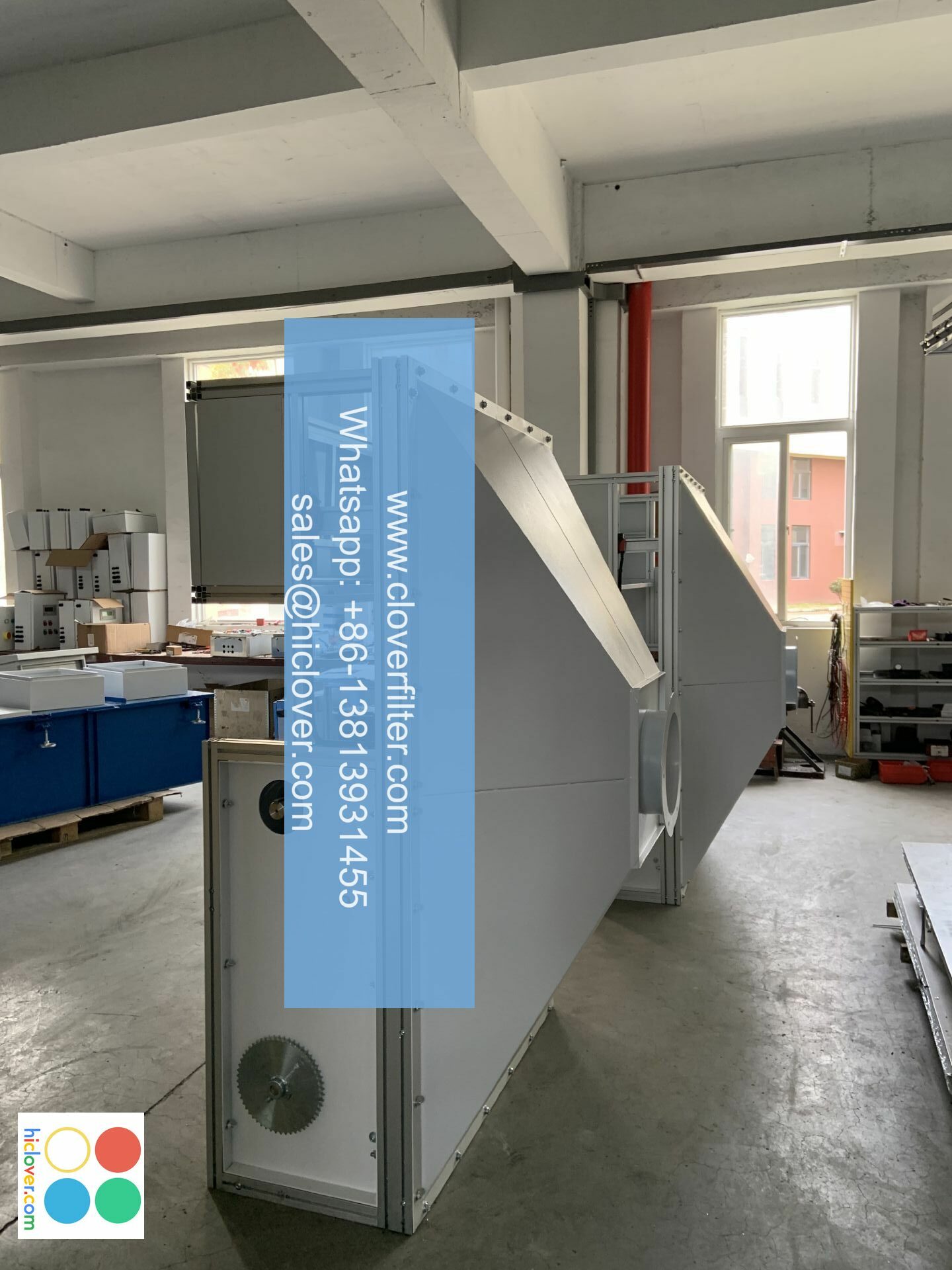
The aerospace industry demands the highest standards of cleanliness and control to ensure optimal performance and safety of aircraft and spacecraft. This article explores critical cleanroom requirements in aerospace, focusing on the role of automatic roll air filters and other control measures necessary to maintain compliance with industry standards.
Importance of Cleanrooms in Aerospace

Cleanrooms are specialized environments where the concentration of airborne particles is controlled to specified limits. In aerospace, cleanrooms are vital to minimize contamination risks that could potentially impact the performance and reliability of sensitive components such as engines, avionics, and other critical systems.
Key Cleanroom Standards
Aerospace cleanrooms typically adhere to rigorous standards set by organizations such as:
- ISO 14644 – specifies the classification of air cleanliness in cleanrooms.
- NASA cleanliness levels – defined to protect sensitive spacecraft components.
- Federal Standard 209E – a historical guideline still referenced in some sectors.
- Continuous operation with minimal maintenance:
- Easy disposal and replacement of filter rolls to reduce downtime;
- Lower energy consumption compared to traditional filter systems.
- Aircraft Manufacturing: Ensuring that parts assembly is free from contaminants.
- Spacecraft Assembly and Test: Protecting sensitive instruments and components during the assembly process.
- Avionics Production: Manufacturing aerospace electronics with minimal contamination to avoid malfunction.
- Repair and Maintenance: Performing maintenance in a controlled environment to extend the lifespan of components.

Role of Automatic Roll Air Filters
Automatic roll air filters are a cornerstone technology for maintaining cleanroom environments. By utilizing a continuous roll of filter media, these systems provide real-time filtration of air, capturing particles effectively while ensuring minimal disruption to airflow. Their design enables:
Other Critical Control Measures
In addition to automatic roll air filters, several other control measures are essential for maintaining cleanroom standards in the aerospace sector:
1. Airflow Management
Proper airflow design with laminar flow hoods and high-efficiency particulate air (HEPA) filters helps to direct clean air across work surfaces, reducing the potential for contamination.
2. Temperature and Humidity Control
Aerospace component performance can be affected by environmental conditions. Therefore, maintaining optimal temperature and humidity levels is crucial for avoiding issues such as material degradation or moisture interference.
3. Monitoring Systems
Implementing an advanced environmental monitoring system enables continuous tracking of particle counts, air flow rates, temperature, and humidity. This data helps to quickly identify deviations from standards and allows for immediate corrective actions.
4. Personnel Training and Gowning Procedures
Training staff in cleanroom protocols and strict gowning procedures minimizes human-related contamination risks. This includes the use of cleanroom attire, such as coveralls, gloves, and face masks.
Application Areas for Aerospace Cleanrooms
The applications of aerospace cleanrooms span a vast spectrum, including:
Conclusion
Cleanroom requirements in the aerospace industry are stringent and demand comprehensive measures to ensure the integrity and performance of aerospace systems. Automatic roll air filters, along with effective airflow management, temperature control, monitoring systems, and personnel training, play pivotal roles in achieving compliance with industry standards. As technology advances, maintaining these cleanroom standards will continue to be essential for the safety and efficacy of aerospace operations.
