Aerospace Cleanroom Technology: The Advantages of Automatic Roll Air Filters in Boeing’s Facilities
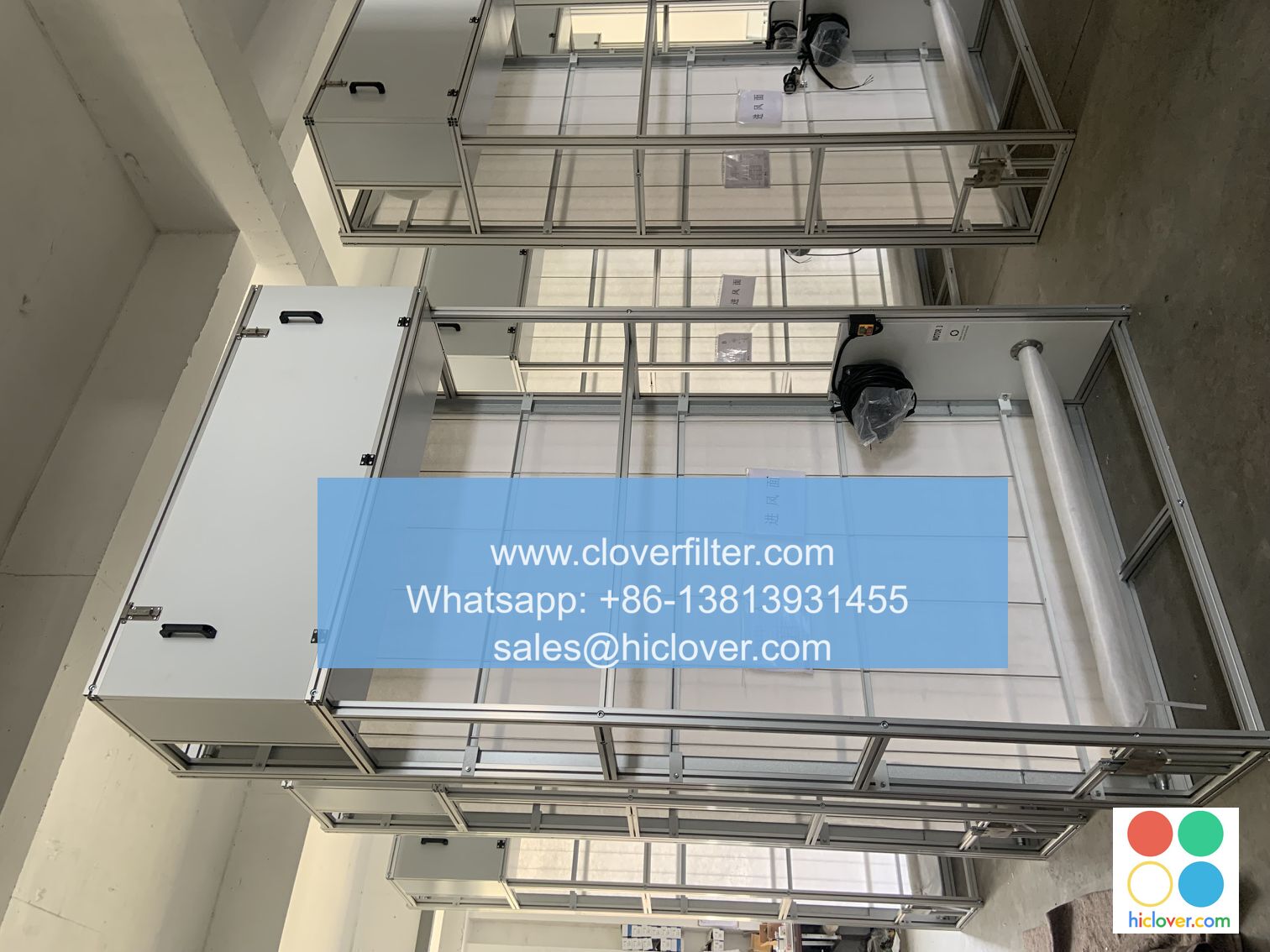
Aerospace manufacturing demands extremely high standards of cleanliness and precision. In this context, aerospace cleanroom technology plays a crucial role in ensuring that production facilities meet rigorous environmental standards. Among the various innovations driving cleanroom efficiency, automatic roll air filters have emerged as a game-changer in Boeing’s facilities. This article delves into the benefits and applications of these advanced filtration systems.
The Role of Cleanrooms in Aerospace Manufacturing

Cleanrooms are controlled environments where pollutants like dust, airborne microbes, and chemical vapors are minimized. In the aerospace sector, the cleanliness of the air directly impacts the integrity of components, which are critical for ensuring aircraft safety and performance. Boeing has heavily invested in cleanroom technology to sustain its manufacturing excellence, utilizing advanced air filtration systems like automatic roll air filters.
What are Automatic Roll Air Filters?
Automatic roll air filters are advanced filtration systems designed to continuously filter and purify the air in cleanroom environments. These filters consist of a roll of material that automatically feeds into place as it becomes soiled, allowing for uninterrupted operation. This technology provides several advantages over traditional static air filters, making them highly effective for the aerospace industry.
Advantages of Automatic Roll Air Filters
1. Enhanced Air Quality
One of the primary advantages of automatic roll air filters is their ability to maintain optimal air quality continuously. By automatically replacing the filter material as needed, these systems ensure that clean air is consistently circulated throughout the facility. This constant air quality monitoring is crucial when manufacturing sensitive aerospace components.

2. Reduced Downtime
Boeing’s reliance on automatic roll air filters significantly reduces downtime associated with manual filter changes. Traditional filters require regular monitoring and replacement, which can disrupt production schedules. Automatic systems streamline this process, allowing for uninterrupted operations and enhancing overall efficiency.
3. Cost-Effectiveness
Initial investments in automatic roll air filters may be higher compared to traditional filter systems. However, the long-term savings speak for themselves. Reduced labor costs, minimized production interruptions, and prolonged equipment life contribute to a more cost-effective solution for aerospace manufacturers like Boeing.
4. Environmental Sustainability
In today’s eco-conscious world, sustainability is a core focus for many industries, including aerospace. Automatic roll air filters can be designed to utilize materials that are recyclable and energy-efficient. This aligns with Boeing’s commitment to reducing its environmental footprint while maintaining high air quality standards.
Applications of Automatic Roll Air Filters in Boeing’s Facilities
Automatic roll air filters find various applications within Boeing’s production facilities:
- Assembly Lines: Maintaining stringent air quality as components are assembled.
- Painting and Coating: Ensuring that VOCs and particles do not contaminant surfaces during the finishing process.
- Testing Facilities: Providing clean air for testing environments where sensitive measurements are taken.
- Research and Development: Supporting advanced research initiatives that require controlled contamination levels.
Conclusion
Aerospace cleanroom technology is vital to maintaining the integrity and performance of aerospace components. Boeing’s use of automatic roll air filters presents numerous advantages, including enhanced air quality, reduced operational downtime, cost-effectiveness, and environmental sustainability. As the aerospace industry continues to evolve, the adoption of advanced filtration technologies becomes increasingly crucial in overcoming cleanliness challenges while pushing the boundaries of innovation.
