Air Conditioning System Design Considerations: Selecting the Right Air Filter

When it comes to designing an air conditioning system, there are several key considerations that must be taken into account to ensure optimal performance, energy efficiency, and indoor air quality. One crucial aspect of air conditioning system design is selecting the right air filter. In this article, we will discuss the importance of air filters in air conditioning systems, the different types of air filters available, and the factors to consider when selecting the right air filter for various applications, including commercial hvac systems, industrial air conditioning systems, and residential air conditioning systems.
Importance of Air Filters in Air Conditioning Systems
Air filters play a critical role in maintaining good indoor air quality and protecting the air conditioning system from damage. They help to remove airborne pollutants, such as dust, pollen, and other particulate matter, from the air, which can cause respiratory problems and other health issues. Additionally, air filters help to prevent coil fouling, which can reduce the efficiency of the air conditioning system and increase energy costs. By selecting the right air filter, building owners and managers can help to ensure a healthy and comfortable indoor environment, while also reducing energy costs and extending the lifespan of the air conditioning system.
Types of Air Filters
There are several types of air filters available, each with its own unique characteristics and benefits. Some of the most common types of air filters include:
* Disposable Air Filters: These are the most common type of air filter and are designed to be replaced regularly. They are typically made of fiberglass or synthetic materials and are available in a range of merv ratings, which indicate their ability to capture airborne pollutants.
* Washable Air Filters: These air filters are designed to be cleaned and reused, rather than replaced. They are often made of metal or plastic and are a good option for applications where air filter maintenance is a priority.
* Electrostatic Air Filters: These air filters use an electrostatic charge to attract and capture airborne pollutants. They are often used in high-efficiency air conditioning systems and are known for their ability to capture sub-micron particles.
* HEPA Air Filters: These air filters are designed to capture 99.97% of airborne pollutants as small as 0.3 microns. They are often used in hospital air conditioning systems and other applications where high-level air filtration is required.
Factors to Consider When Selecting an Air Filter
When selecting an air filter, there are several factors to consider, including:
* Air Flow Requirements: The air filter must be able to handle the required air flow rate without restricting air flow or causing pressure drop.
* Filter Efficiency: The air filter must be able to capture the required amount of airborne pollutants, as indicated by its merv rating.
* Maintenance Requirements: The air filter must be easy to maintain and replace, as required.
* Cost: The air filter must be cost-effective and provide a good return on investment.
* Application: The air filter must be suitable for the specific application, including commercial air conditioning systems, industrial air conditioning systems, and residential air conditioning systems.
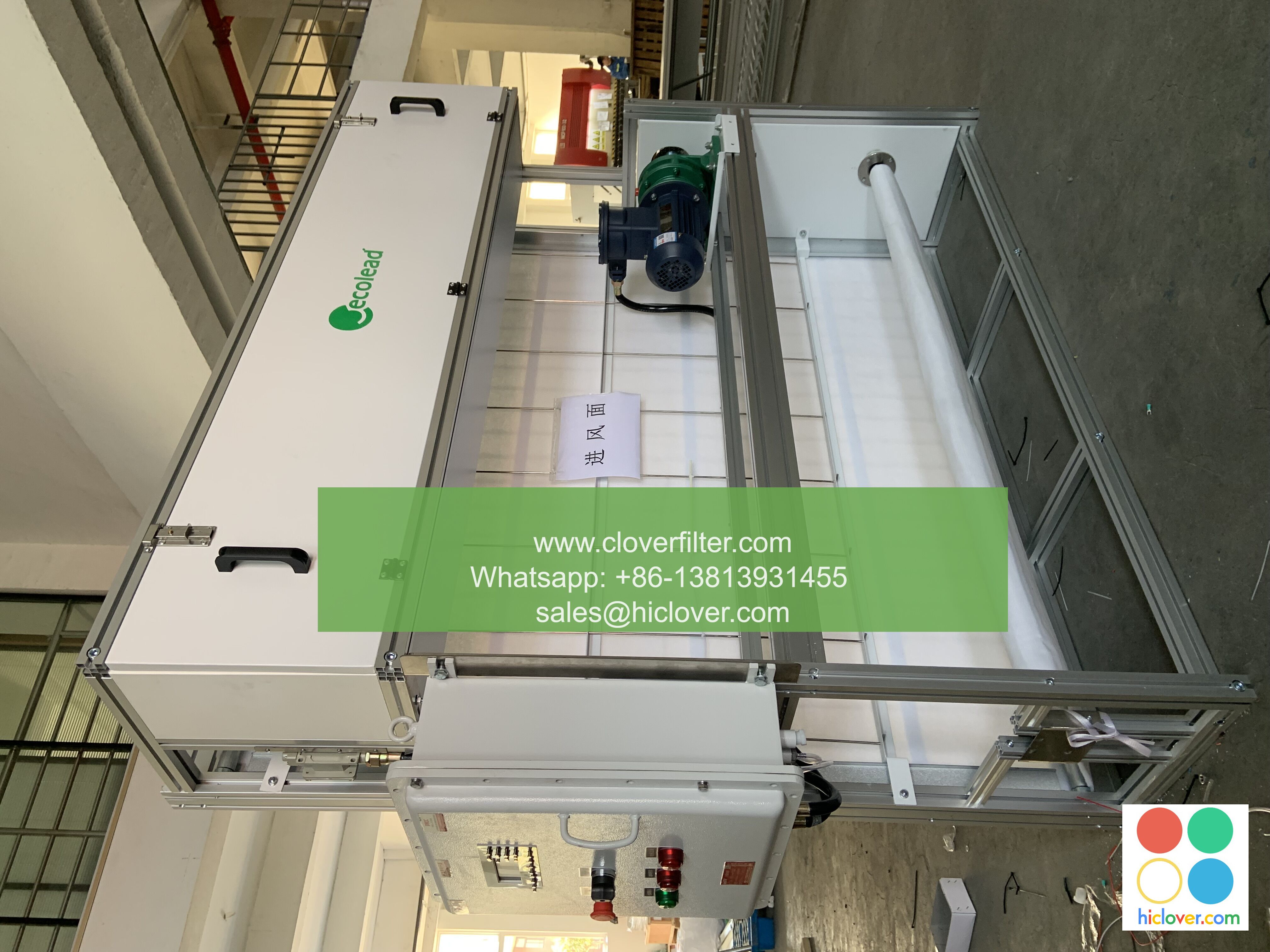
Application Areas
Air filters are used in a wide range of applications, including:
* Commercial Buildings: Air filters are used in office buildings, shopping centers, and other commercial buildings to maintain good indoor air quality and reduce energy costs.
* Industrial Facilities: Air filters are used in manufacturing facilities, warehouses, and other industrial facilities to remove airborne pollutants and prevent equipment damage.
* Residential Homes: Air filters are used in single-family homes, apartments, and other residential buildings to maintain good indoor air quality and reduce energy costs.
* Hospitals and Healthcare Facilities: Air filters are used in hospitals and other healthcare facilities to maintain high-level air filtration and prevent the spread of airborne diseases.
In conclusion, selecting the right air filter is a critical aspect of air conditioning system design. By considering the importance of air filters, the different types of air filters available, and the factors to consider when selecting an air filter, building owners and managers can help to ensure a healthy and comfortable indoor environment, while also reducing energy costs and extending the lifespan of the air conditioning system. Whether you are designing an air conditioning system for a commercial building, industrial facility, or residential home, selecting the right air filter is essential for maintaining good indoor air quality and achieving optimal system performance. Prompt
