Air Conditioning System Design for Energy Efficiency
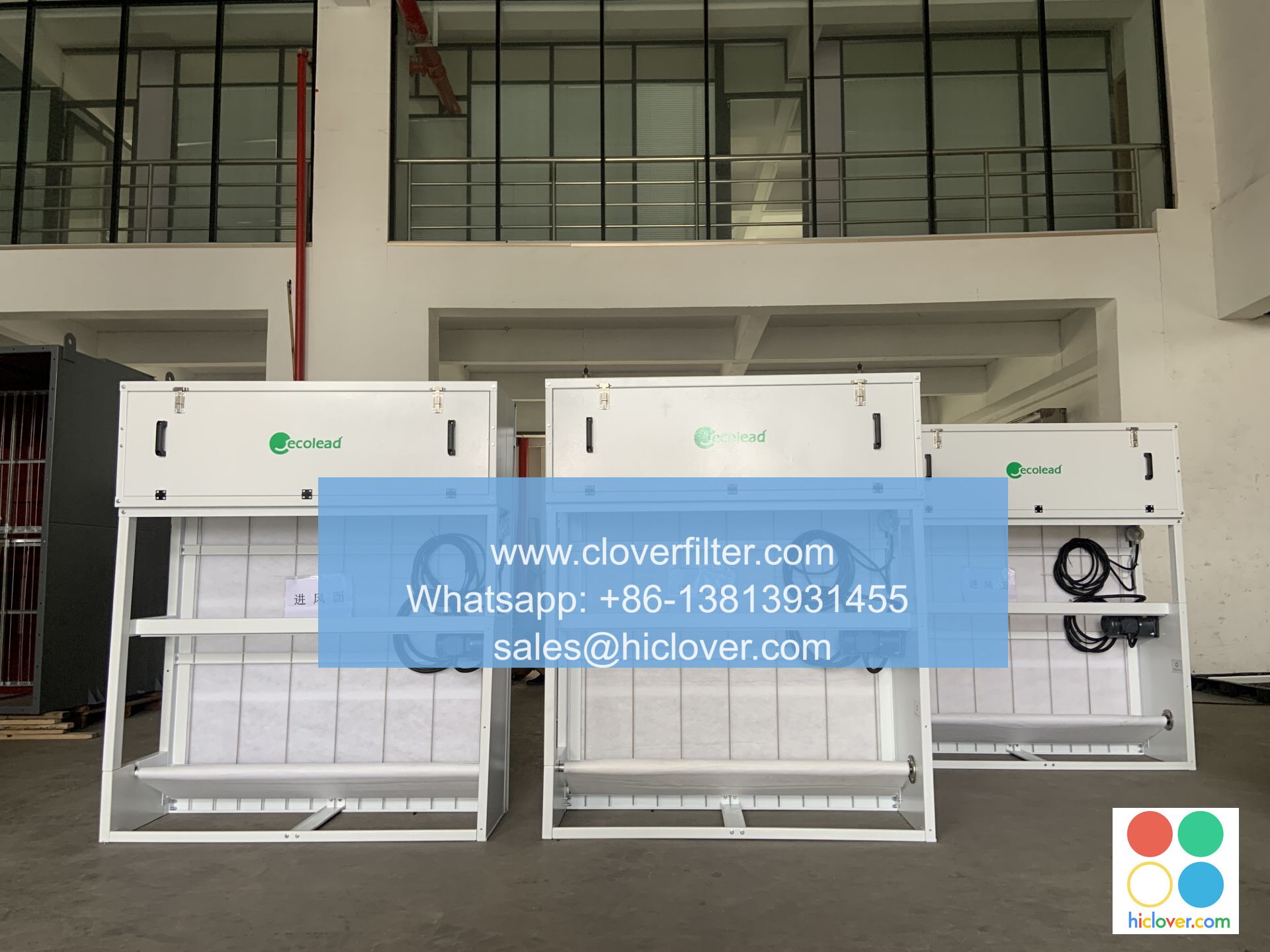
As the world grapples with the challenges of climate change and energy conservation, the design of air conditioning systems has become increasingly important. A well-designed air conditioning system can significantly reduce energy consumption while maintaining a comfortable indoor environment. In this article, we will explore the key considerations and strategies for designing energy-efficient air conditioning systems for various application areas, including residential buildings, commercial buildings, and industrial facilities.
Understanding the Basics of Air Conditioning System Design
Before delving into the intricacies of energy-efficient design, it’s essential to understand the fundamental components of an air conditioning system. These include the compressor, condenser, evaporator, and expansion valve. The compressor compresses the refrigerant, while the condenser dissipates heat to the surrounding air. The evaporator absorbs heat from the indoor space, and the expansion valve regulates the flow of refrigerant. A thorough understanding of these components and their interactions is crucial for designing an energy-efficient air conditioning system.
Key Considerations for Energy-Efficient Air Conditioning System Design
Several key factors must be considered when designing an energy-efficient air conditioning system. These include:
* Load calculation: Accurate calculation of the cooling load is essential to determine the required air conditioning capacity.
* System sizing: Oversized systems can lead to inefficient operation and increased energy consumption.
* Refrigerant selection: The choice of refrigerant can significantly impact the energy efficiency and environmental sustainability of the system.
* Air distribution: A well-designed air distribution system can minimize energy losses and ensure uniform cooling.
Application Areas for Energy-Efficient Air Conditioning Systems
Energy-efficient air conditioning systems can be applied to various indoor environments, including:
* Residential buildings: Ductless mini-split systems and heat pumps are popular choices for residential air conditioning.
* Commercial buildings: Variable air volume (VAV) systems and chilled water systems are commonly used in commercial air conditioning applications.
* Industrial facilities: Large-scale air conditioning systems with advanced controls and energy recovery systems can optimize energy efficiency and productivity.

Emerging Trends and Technologies in Air Conditioning System Design
The air conditioning industry is constantly evolving, with emerging trends and technologies focused on energy efficiency and sustainability. Some of these include:
* Inverter technology: Inverter-driven compressors can significantly reduce energy consumption and improve system performance.
* Smart sensors and controls: Advanced sensors and controls can optimize system operation and energy efficiency.
* Natural refrigerants: Natural refrigerants like carbon dioxide and hydrocarbons offer a more environmentally friendly alternative to traditional refrigerants.
Conclusion
Designing energy-efficient air conditioning systems requires a comprehensive approach that considers various factors, including load calculation, system sizing, refrigerant selection, and air distribution. By understanding the fundamental components of an air conditioning system and applying emerging trends and technologies, building owners and facilities managers can reduce energy consumption while maintaining a comfortable indoor environment. As the world continues to grapple with the challenges of climate change and energy conservation, the importance of energy-efficient air conditioning system design will only continue to grow. It looks like you didn’t provide a prompt. Please go ahead and give me something to work with, whether it’s a question, a topic, or a task. I’ll do my best to help!
