Air Filter Alliances and the Built Environment: A Review of the Evidence
In recent years, the significance of air quality in the built environment has taken center stage in public health discussions. With escalating pollution levels and rising concerns over indoor air quality (IAQ), alliances focused on air filtration technologies have emerged as key players in ensuring safer living and working spaces. This article reviews evidence surrounding Air Filter Alliances and their impact on the built environment, highlighting various application areas and key findings.
Understanding Air Filter Alliances
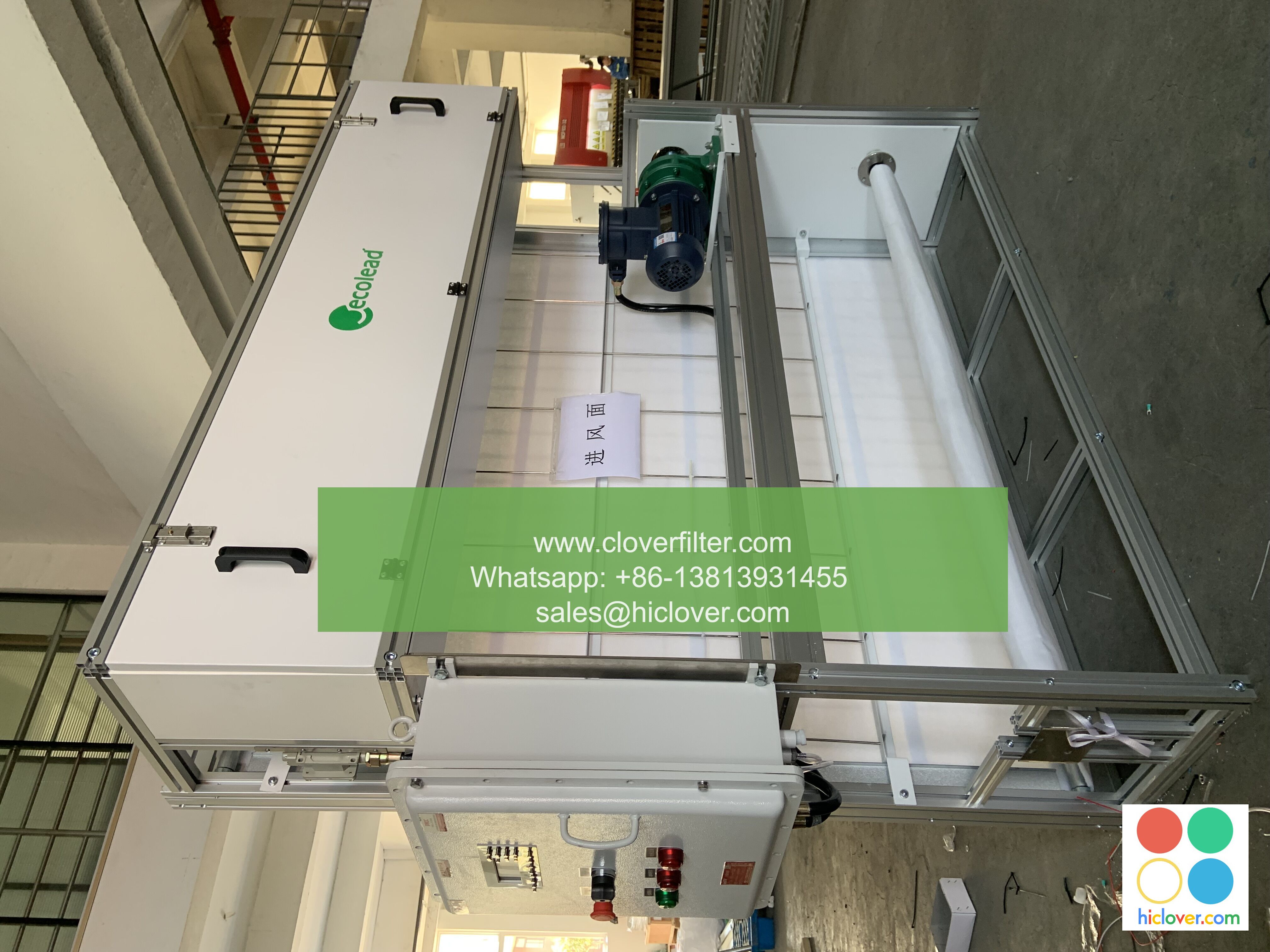
Air Filter Alliances are collaborative networks that comprise manufacturers, research institutions, policymakers, and advocacy groups focused on improving air quality through the development and deployment of advanced filtration technologies. These alliances not only emphasize innovation but also promote standards and best practices for air filtration systems.
Objectives and Goals
The primary objectives of these alliances include:
- Reducing Airborne Contaminants: Enhancing the efficiency of air filters to reduce pollutants like particulate matter, allergens, and pathogens.
- Promoting Indoor Air Quality: Establishing guidelines for maintaining optimal air conditions in residential and commercial buildings.
- Fostering Collaboration: Encouraging partnerships among various stakeholders to share research findings and technological advancements.
- Particulate Matter (PM): Fine particulate matter can penetrate deep into the lungs, leading to respiratory disorders.
- Volatile Organic Compounds (VOCs): Emitted from construction materials and household products, VOCs can cause various health problems.
- Biological Contaminants: Dust mites, mold, and bacteria can proliferate in poorly ventilated spaces.
The Built Environment and Its Challenges
The built environment—comprising residential, commercial, and institutional buildings—faces significant air quality challenges. Factors such as poor ventilation, construction materials, and indoor activities contribute to elevated levels of indoor air pollution.
Key Issues in Indoor Air Quality (IAQ)
Evidence Supporting Air Filter Alliances
Numerous studies advocate for the role of Air Filter Alliances in mitigating indoor air pollution. Here are some critical findings:
1. Improved Health Outcomes
Research has shown that the adoption of high-efficiency air filters can lead to significant reductions in respiratory illnesses and allergies. Studies indicate that workplaces with advanced filtration systems report lower absenteeism and improved employee productivity.
2. Energy Efficiency
Air filters not only enhance air quality but also contribute to energy savings. Innovations in filter technology result in systems that require less energy to operate while effectively capturing pollutants.
3. Sustainable Practices
Air Filter Alliances promote sustainable building practices. By integrating advanced filtration systems, buildings can achieve higher sustainability ratings while ensuring occupants’ health and safety.
Application Areas of Air Filter Alliances
Residential Buildings
In homes, air filtration systems are vital for removing allergens and maintaining a comfortable living environment. Many Air Filter Alliances provide resources and guidelines for homeowners to improve IAQ.
Commercial Spaces
In office complexes, retail stores, and educational institutions, the implementation of air filtration systems has been linked to boosted employee morale and productivity. Collaboration among stakeholders results in the design of filtration systems tailored to the specific needs of these environments.
Healthcare Facilities
Hospitals and clinics are critical environments where air quality is paramount. Effective air filtration systems are essential for controlling infections and protecting vulnerable patient populations. Alliances focus on advancing HEPA and ULPA (Ultra-Low Penetration Air) filtration for these settings.
Industrial Applications
In industrial settings, air filters play a key role in protecting workers from hazardous airborne substances. The collaboration among various industries leads to the development of robust technologies that ensure compliance with occupational safety standards.
Conclusion
Air Filter Alliances serve as vital components in addressing the challenges of air quality in the built environment. Their collaborative efforts lead to improved health outcomes, energy efficiency, and sustainable practices across various application areas. Continued research and development, alongside policy advocacy, will be essential in promoting air quality advancements essential for public health and the well-being of all building occupants.
Call to Action
As the built environment continues to evolve, the role of air filtration will become increasingly critical. Stakeholders in architecture, engineering, manufacturing, and public health must continue to work together through Air Filter Alliances to ensure that our indoor spaces remain safe, healthy, and conducive to well-being.
In conclusion, air quality in the built environment is a multifaceted challenge that demands innovation, collaboration, and a commitment to improving public health. The evidence presented highlights the effectiveness of Air Filter Alliances in transforming indoor air quality standards for residential, commercial, and industrial settings.
It seems like you might want to give me a specific prompt to respond to or help you with. Please go ahead and provide more details or context so I can assist you better!
