Air Filter Analysis for Food Processing and Manufacturing
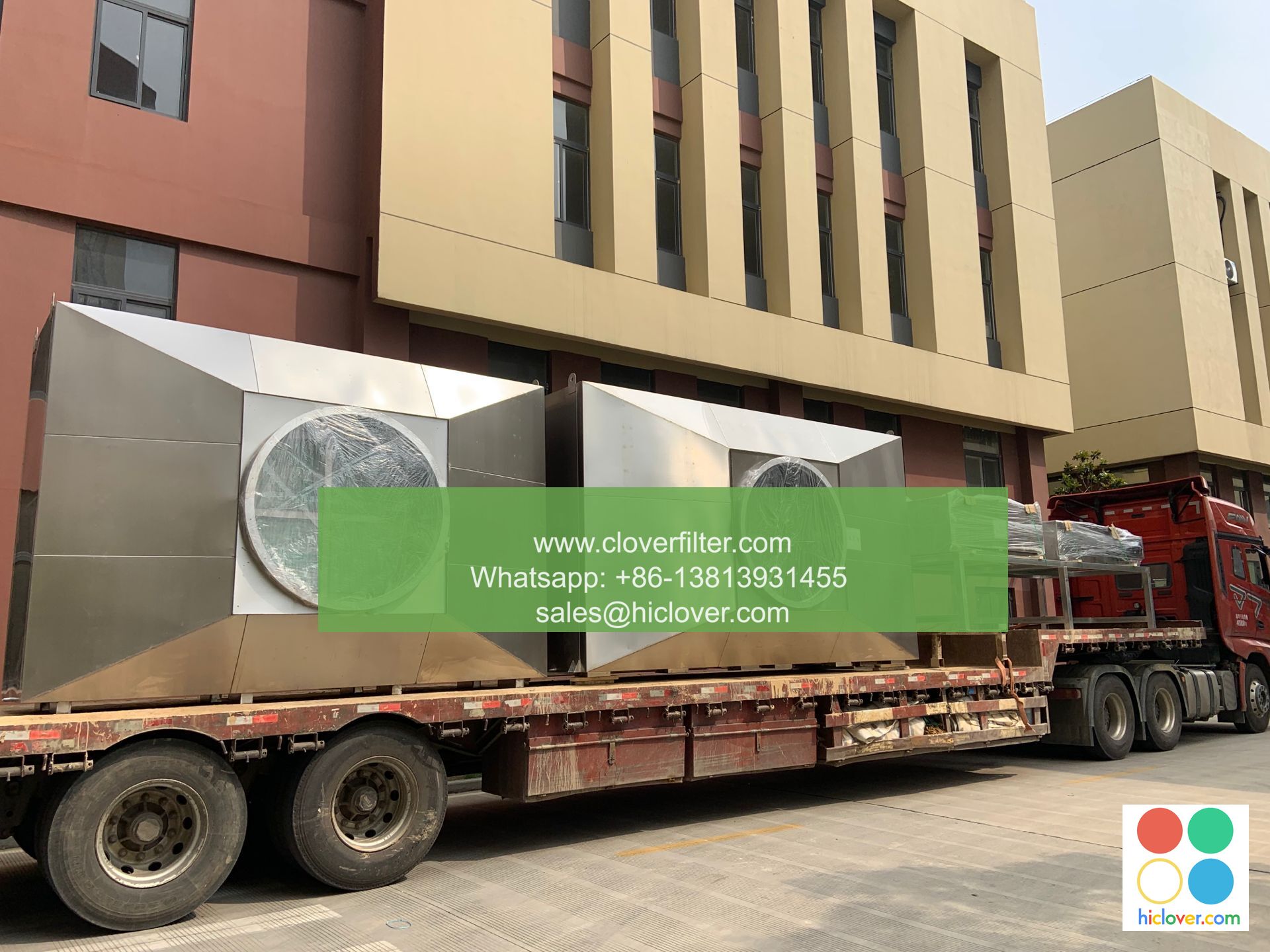
In the food processing and manufacturing industry, maintaining a clean and safe environment is paramount. One critical component of this cleanliness involves the air filtration systems used throughout production facilities. This article delves into air filter analysis, its significance, and various application areas in food processing and manufacturing.
Understanding Air Filters in Food Processing

Air filters are essential for ensuring that the air in food processing facilities is free from contaminants, including dust, allergens, and microbial agents. Effective air filtration not only protects the integrity of products but also ensures compliance with health and safety regulations.
Importance of Air Filter Analysis
Air filter analysis serves as a preventive measure to ensure optimal performance and longevity of air filtration systems. Regular analysis includes examining filter materials, efficiency rates, and durability. The key benefits of air filter analysis in food processing include:
- Contaminant Reduction: Air filters trap harmful particles, preventing them from entering production areas.
- Regulatory Compliance: Adhering to standards set by health organizations requires rigorous air quality checks.
- Energy Efficiency: Analyzing filters helps maintain airflow, reducing energy costs associated with heating or cooling systems.
- Product Quality Assurance: Clean air minimizes the risk of contamination, ensuring high-quality food products.
- HEPA Filters: Highly efficient in trapping small particles, making them ideal for production areas.
- Activated Carbon Filters: Effective for removing odors and volatile organic compounds (VOCs), suitable for areas with strong-smelling ingredients.
- Pre-Filters: Used to capture larger particles and prolong the life of more expensive main filters.
- Regular Monitoring: Implement a routine system to monitor filter performance and efficiency.
- Data Collection: Collect and analyze data regarding filter effectiveness, including air quality metrics.
- Replacement Schedule: Establish a schedule for filter replacement based on analysis findings.
- Staff Training: Ensure staff is trained on the significance of air filters and the importance of maintaining air quality standards.

Key Application Areas of Air Filter Systems
Air filters play a vital role across several application areas in food processing and manufacturing:
1. Production Areas
In the production phase, air filters are crucial for maintaining air quality. Dust, grease, and other particles can settle on food products, leading to potential contamination. High-efficiency particulate air (HEPA) filters are often used in these settings to ensure the air remains clean.
2. Packaging Operations
During packaging, maintaining a sterile environment is crucial. Air filters help reduce airborne contaminants that can compromise food safety. Analysis of air filters in these areas ensures that contamination risks are minimized, thus maintaining product integrity.
3. Refrigeration and Cold Storage
In cold storage facilities, humidity and temperature control are vital. Air filters help maintain this balance by preventing the growth of molds and bacteria due to excess moisture. Regular filter analysis can help ensure that cooling systems operate effectively without energetic strain.
4. Ingredient Handling
Raw ingredient handling areas require stringent air quality control. Air filters prevent the introduction of unwanted substances that could compromise the quality of ingredients. Regular analysis of these filters ensures they effectively capture contaminants while allowing necessary airflow.
Types of Air Filters Used in Food Manufacturing
Food processing facilities employ various types of air filters, including:
Conducting Effective Air Filter Analysis
To conduct an effective air filter analysis, food manufacturers should consider the following steps:
Conclusion
Air filter analysis is a critical component of food processing and manufacturing that directly impacts product quality, safety, and operational efficiency. By understanding the importance of air filters and conducting regular analyses, food manufacturers can ensure a clean and compliant production environment, ultimately leading to better product outcomes and reduced risks. As technology evolves, staying informed about the latest advancements in air filtration will enhance both safety and operational performance in this essential industry.
Keywords: Air filter analysis, food processing, air quality control, contamination reduction, manufacturing efficiency, food safety
Of course! What kind of prompt are you looking for? Are you interested in writing, creative challenges, discussion topics, or something else entirely? Let me know how I can help!
