Air Filter and Technology
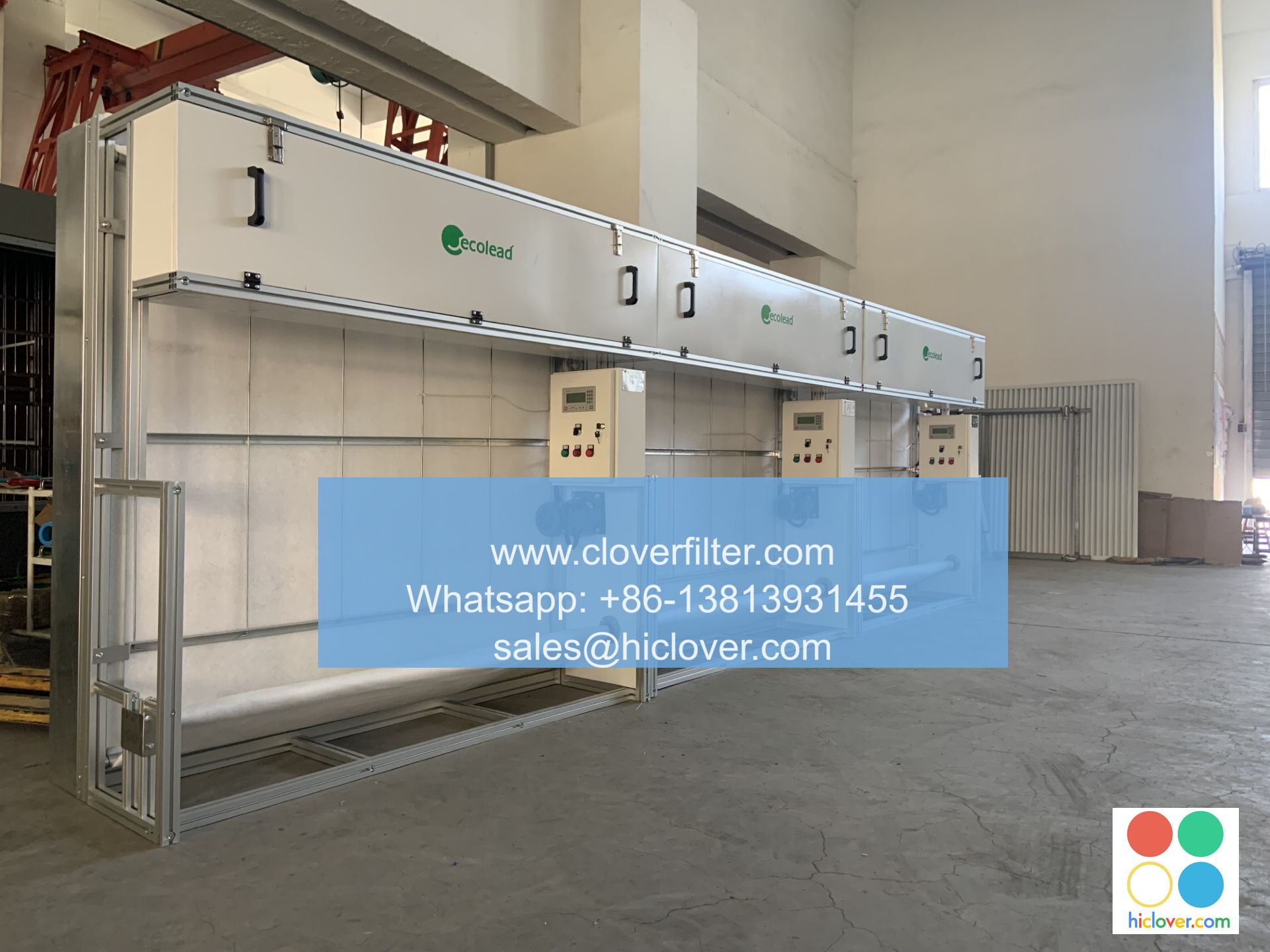
The importance of clean air cannot be overstated, and air filter technology has become a crucial component in maintaining healthy indoor environments. With the rapid advancement of technology, air filters have evolved to become more efficient, effective, and sophisticated. In this article, we will delve into the world of air filter technology, exploring its various applications, benefits, and innovations.
Introduction to Air Filter Technology

Air filter technology involves the use of filtration systems to remove pollutants, allergens, and other airborne contaminants from the air. These systems utilize a combination of materials, such as fibrous filters, activated carbon, and ultraviolet (UV) light, to capture and eliminate airborne particles. The goal of air filter technology is to provide clean, fresh air, improving indoor air quality (IAQ) and promoting a healthier environment.
Applications of Air Filter Technology
Air filter technology has a wide range of applications, including:
- Residential and Commercial HVAC Systems: Air filters are used in heating, ventilation, and air conditioning (HVAC) systems to remove pollutants and improve IAQ.
- Industrial and Manufacturing Environments: Air filters are used to control airborne contaminants, such as dust, fumes, and chemicals, in industrial settings.
- Healthcare and Medical Facilities: Air filters are used to maintain sterile environments, reducing the risk of airborne infections and promoting patient health.
- Aerospace and Automotive Industries: Air filters are used to maintain clean air in aircraft and vehicles, ensuring the health and safety of occupants.
- Cleanroom and Laboratory Settings: Air filters are used to maintain ultra-clean environments, free from airborne contaminants, in cleanrooms and laboratories.
- HEPA (High Efficiency Particulate Air) Filters: HEPA filters are capable of capturing 99.97% of particles as small as 0.3 microns, making them a popular choice for residential and commercial applications.
- Activated Carbon Filters: Activated carbon filters are effective in removing gases, odors, and chemicals from the air, making them ideal for industrial and commercial settings.
- UV-C Light Technology: UV-C light technology is used to disinfect and sterilize air, eliminating airborne bacteria, viruses, and other microorganisms.
- Nanofiber Technology: Nanofiber technology involves the use of ultra-fine fibers to capture airborne particles, offering higher efficiency and lower pressure drop compared to traditional filters.
- Smart Air Filter Technology: Smart air filter technology involves the use of sensors, IoT devices, and AI algorithms to monitor and optimize air filter performance, providing real-time feedback and maintenance alerts.
- Improved Indoor Air Quality: Air filter technology helps remove airborne pollutants, improving IAQ and promoting healthier environments.
- Increased Energy Efficiency: Air filter technology can help reduce energy consumption by minimizing the need for frequent filter replacements and improving HVAC system performance.
- Enhanced Productivity and Performance: Air filter technology can improve cognitive function, productivity, and overall performance by providing clean, fresh air.
- More Efficient and Sustainable Filters: The development of more efficient and sustainable filters, using materials such as graphene and nanomaterials.
- Increased Adoption of Smart Air Filter Technology: The widespread adoption of smart air filter technology, enabling real-time monitoring and optimization of air filter performance.
- Expansion into New Markets and Applications: The expansion of air filter technology into new markets and applications, such as the aerospace and automotive industries.
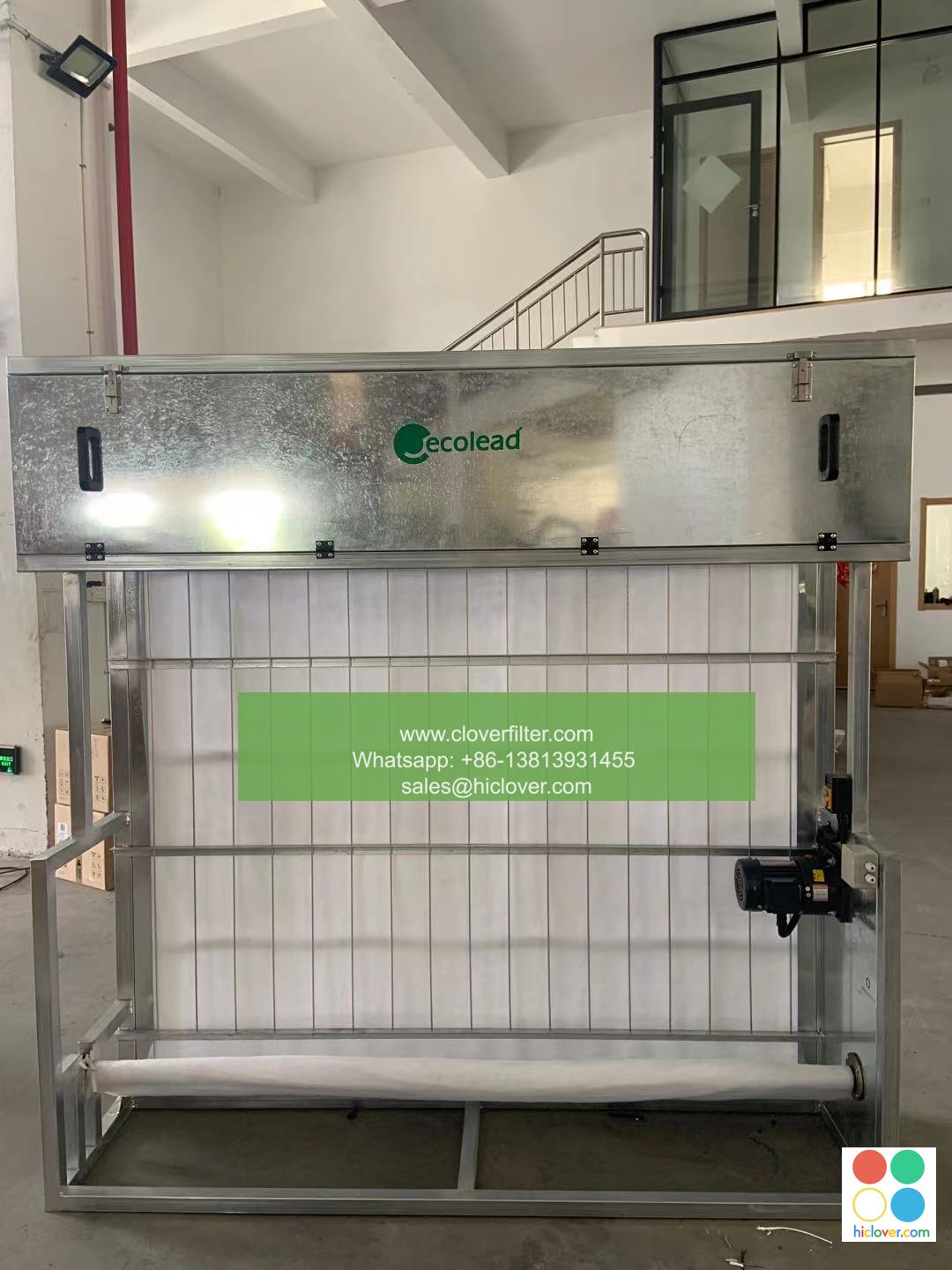
Key Technologies and Innovations
Several key technologies and innovations have transformed the air filter industry, including:
Benefits and Future Directions
The benefits of air filter technology are numerous, including:
As air filter technology continues to evolve, we can expect to see further innovations and advancements, such as:
In conclusion, air filter technology has revolutionized the way we approach indoor air quality, with a wide range of applications, benefits, and innovations. As technology continues to advance, we can expect to see even more efficient, effective, and sophisticated air filter solutions, promoting healthier environments and improving overall well-being.
You haven’t asked a question or provided any context for me to respond to. Please provide more information or ask a specific question, and I’ll do my best to assist you. What’s on your mind?
