Air Filter API-Enabled Smart Homes: Creating a Healthier, More Sustainable Living Space
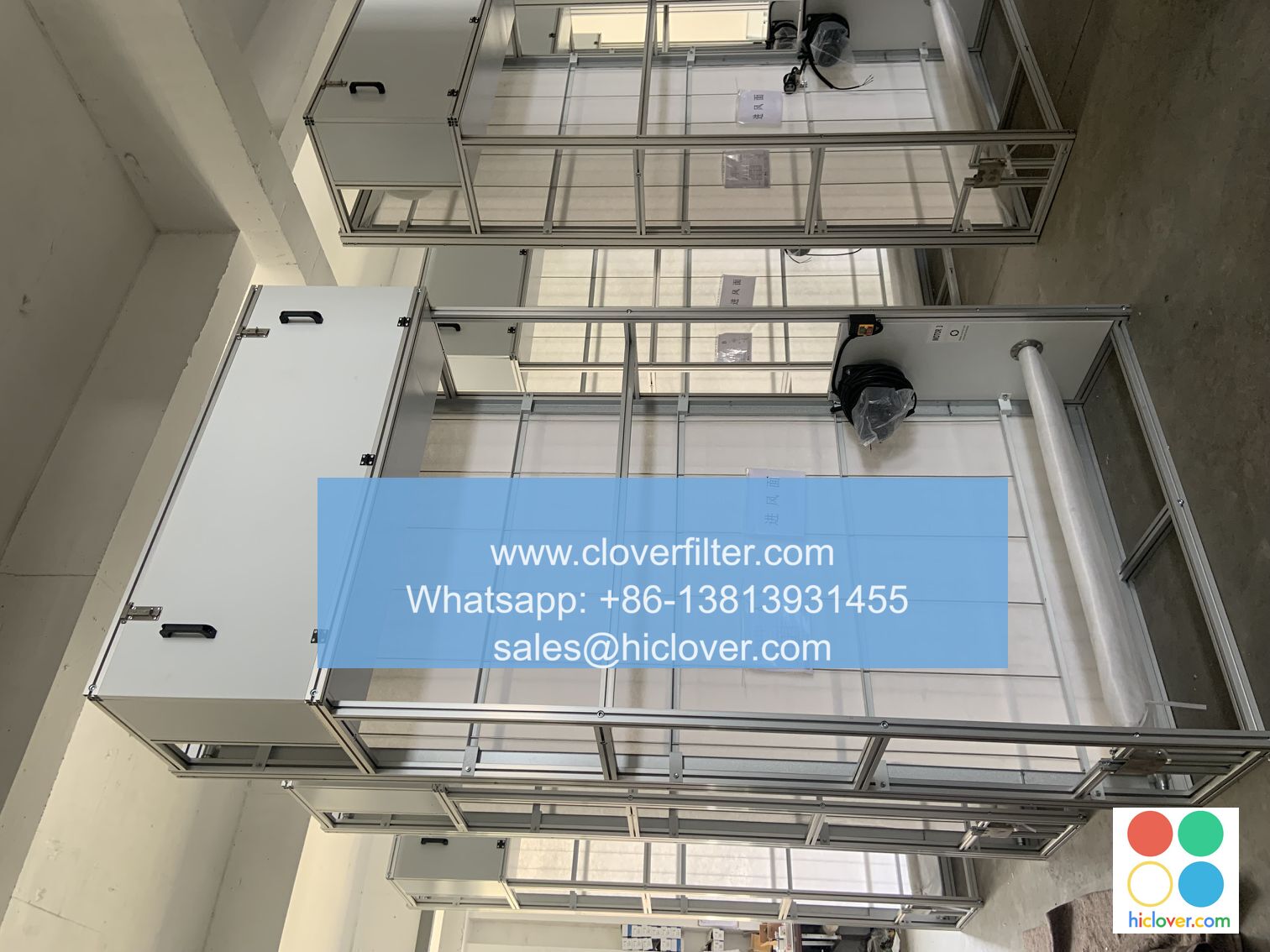
In an era where technology and health consciousness converge, air filter API-enabled smart homes are leading the charge towards healthier and more sustainable living environments. By integrating advanced air filtration systems with smart home technology, we can effectively monitor and maintain indoor air quality, promoting not only personal well-being but also environmental sustainability.
Understanding the Importance of Indoor Air Quality

Indoor air quality (IAQ) is crucial for our overall health. Poor IAQ can lead to various health issues, such as respiratory problems, allergies, and long-term health conditions. According to the Environmental Protection Agency (EPA), indoor air can be two to five times more polluted than outdoor air. Thus, focusing on air purification and filtration within our homes has never been more critical.
What is an Air Filter API?
An Air Filter API is a sophisticated application programming interface that allows for seamless communication between smart air filters and other smart home devices. It enables data sharing related to air quality metrics, filter statuses, and maintenance reminders, ensuring that air quality can be monitored and improved in real time.
Key Features of Air Filter API-Enabled Systems
- Real-Time Monitoring: Air filter systems can track air quality metrics such as particulate matter (PM), volatile organic compounds (VOCs), and humidity levels, sending alerts directly to the homeowner’s smartphone.
- Automated Responses: Based on the data received, smart air filters can adjust settings automatically. For example, if particulate levels rise during a cooking session, the system can ramp up filtration speeds.
- Integration with Other Smart Devices: Smart homes can integrate air filters with thermostats, ventilation systems, and smart speakers, creating a cohesive and responsive environment.
- Maintenance Alerts: The system can notify homeowners when filters need to be replaced, ensuring optimal performance and air quality.

Application Areas for Air Filter API Technologies
1. Residential Living Spaces
In residential homes, air filter API technologies play a pivotal role. Families can ensure clean air for children and elderly members who may be more susceptible to air quality issues. Moreover, the integration with other smart devices allows users to create atmospheric settings that improve comfort levels, such as adjusting LED lighting alongside air quality improvements.
2. Commercial Offices
In commercial settings, maintaining good air quality can significantly contribute to employee productivity and health. An air filter API can help facilities managers track and improve indoor environments, reducing absenteeism caused by health issues linked to poor air quality.
3. Healthcare Facilities
In hospitals and clinics, ensuring a sterile and pollutant-free environment is paramount. Air filter APIs can monitor air quality in real-time, triggering advanced filtration systems when necessary, thus protecting both patients and medical staff.
4. Educational Institutions
Schools and universities can benefit from air filter APIs by creating healthier learning environments. By ensuring optimal air quality, educational institutions can reduce health-related disruptions and enhance student focus and performance.
5. Green Buildings and Sustainability
For environmentally conscious builders and architects, integrating air filter APIs into new constructions aligns with sustainability goals. Improved air quality contributes to energy-efficient designs and LEED certifications, making buildings not just human-friendly, but planet-friendly as well.
The Future of Smart Homes
The future of smart homes lies in the increased adoption of technologies that enhance our living spaces. Air filter API-enabled systems are at the forefront of this evolution, providing innovative solutions for healthier indoor environments. Homeowners can achieve a dual goal—attaining a more comfortable and sustainable living space while actively contributing to their well-being.
Conclusion
As we delve deeper into the realms of smart technology, air filter API-enabled smart homes offer promising solutions for healthier and more sustainable living. With real-time monitoring, automated responses, and seamless integration with existing home systems, these technologies are transforming our understanding of indoor air quality and paving the way for a future where we can live more comfortably and healthily. Embracing this technology not only helps us breathe easier but also plays a crucial role in fostering a more sustainable world.
It seems like you might want to generate a prompt for a creative writing exercise or some other type of activity. Could you please specify the context or topic you’re interested in? This could be anything from a story idea to a brainstorming session for an art project. Let me know how I can help!
