Air Filter API Testing and Validation: Ensuring Accuracy and Reliability
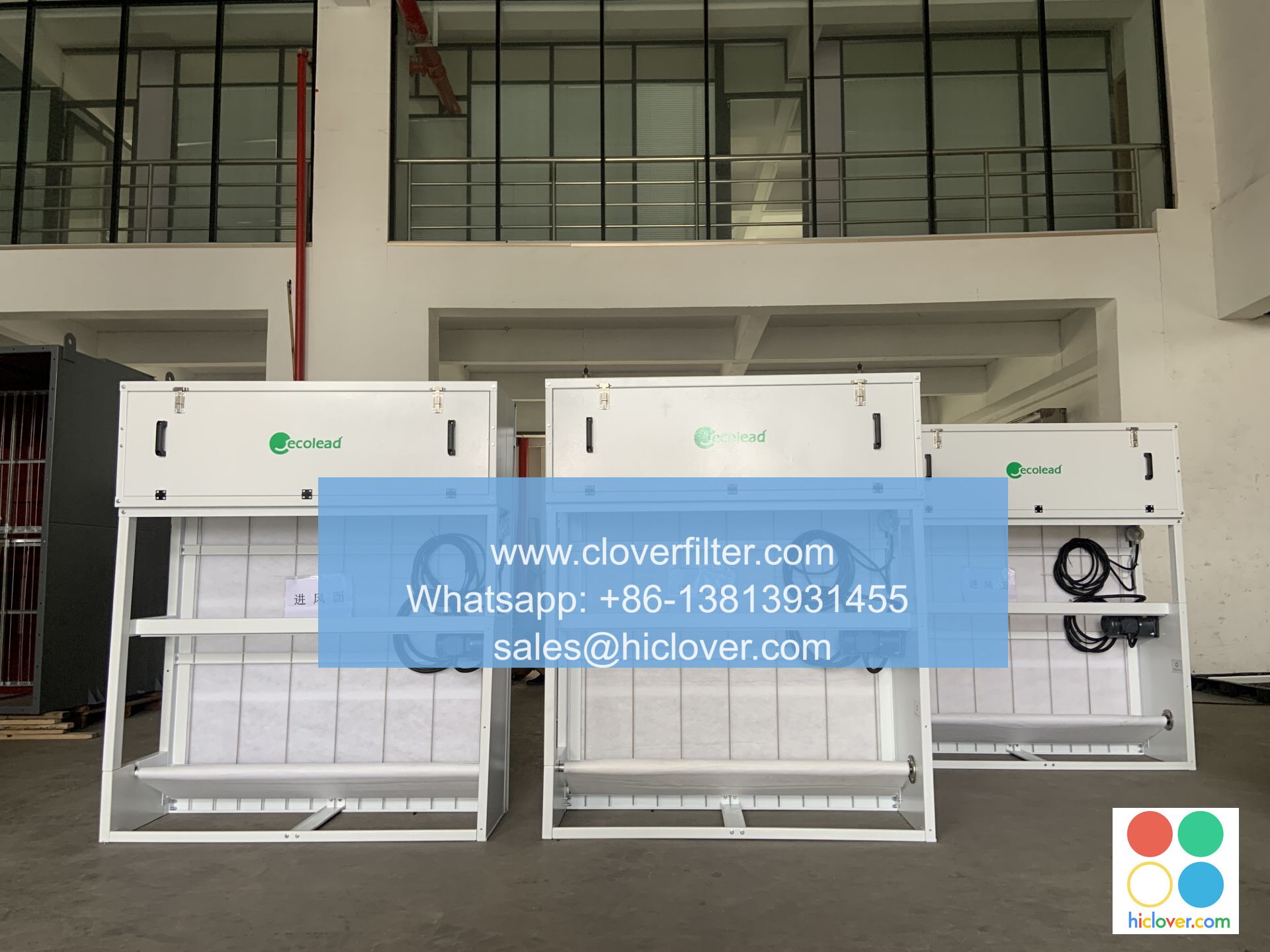
Air filter API testing and validation are critical processes that ensure the accuracy and reliability of air filter systems. These systems are used in various applications, including indoor air quality monitoring, heating, ventilation, and air conditioning (HVAC) systems, and air pollution control. In this article, we will discuss the importance of air filter API testing and validation, the various methods used, and the benefits of implementing these processes.
Why is Air Filter API Testing and Validation Important?
Air filter API testing and validation are essential to ensure that air filter systems function correctly and provide accurate readings. Inaccurate or unreliable air filter systems can lead to poor indoor air quality, reduced energy efficiency, and increased maintenance costs. Moreover, non-compliance with regulatory standards can result in financial penalties and damage to a company’s reputation.
Methods of Air Filter API Testing and Validation
There are several methods used for air filter API testing and validation, including:
* Particle counting: This method involves counting the number of particles in the air before and after passing through the filter to determine its efficiency.
* Aerosol testing: This method involves generating aerosols with known particle sizes and concentrations to test the filter’s ability to capture particles.
* Gas sensing: This method involves using gas sensors to detect and measure the concentrations of specific gases, such as carbon monoxide or volatile organic compounds (VOCs).
* Flow rate testing: This method involves measuring the flow rate of air through the filter to ensure it is within the specified range.
Application Areas of Air Filter API Testing and Validation
Air filter API testing and validation have various application areas, including:
* Indoor air quality monitoring: This involves testing and validating air filter systems used in commercial buildings, residential buildings, and industrial facilities to ensure good indoor air quality.
* HVAC systems: This involves testing and validating air filter systems used in heating, ventilation, and air conditioning systems to ensure energy efficiency and reliability.
* Air pollution control: This involves testing and validating air filter systems used in industrial processes, such as chemical processing and pharmaceutical manufacturing, to ensure compliance with regulatory standards.
* Aerospace and automotive: This involves testing and validating air filter systems used in aircraft and vehicles to ensure reliability and safety.

Benefits of Air Filter API Testing and Validation
The benefits of air filter API testing and validation include:
* Improved accuracy and reliability: Ensures that air filter systems provide accurate readings and function correctly.
* Increased energy efficiency: Optimizes air filter systems to reduce energy consumption and costs.
* Reduced maintenance costs: Identifies potential issues before they become major problems, reducing maintenance costs.
* Compliance with regulatory standards: Ensures that air filter systems meet regulatory requirements, avoiding financial penalties and damage to a company’s reputation.
Conclusion
In conclusion, air filter API testing and validation are critical processes that ensure the accuracy and reliability of air filter systems. These processes are essential in various application areas, including indoor air quality monitoring, HVAC systems, air pollution control, and aerospace and automotive. By implementing air filter API testing and validation, companies can ensure improved accuracy and reliability, increased energy efficiency, reduced maintenance costs, and compliance with regulatory standards. It seems like you forgot to include the actual prompt. Could you please provide more details or clarify what you need assistance with?
