Air Filter Applications in Medical Settings: A Review
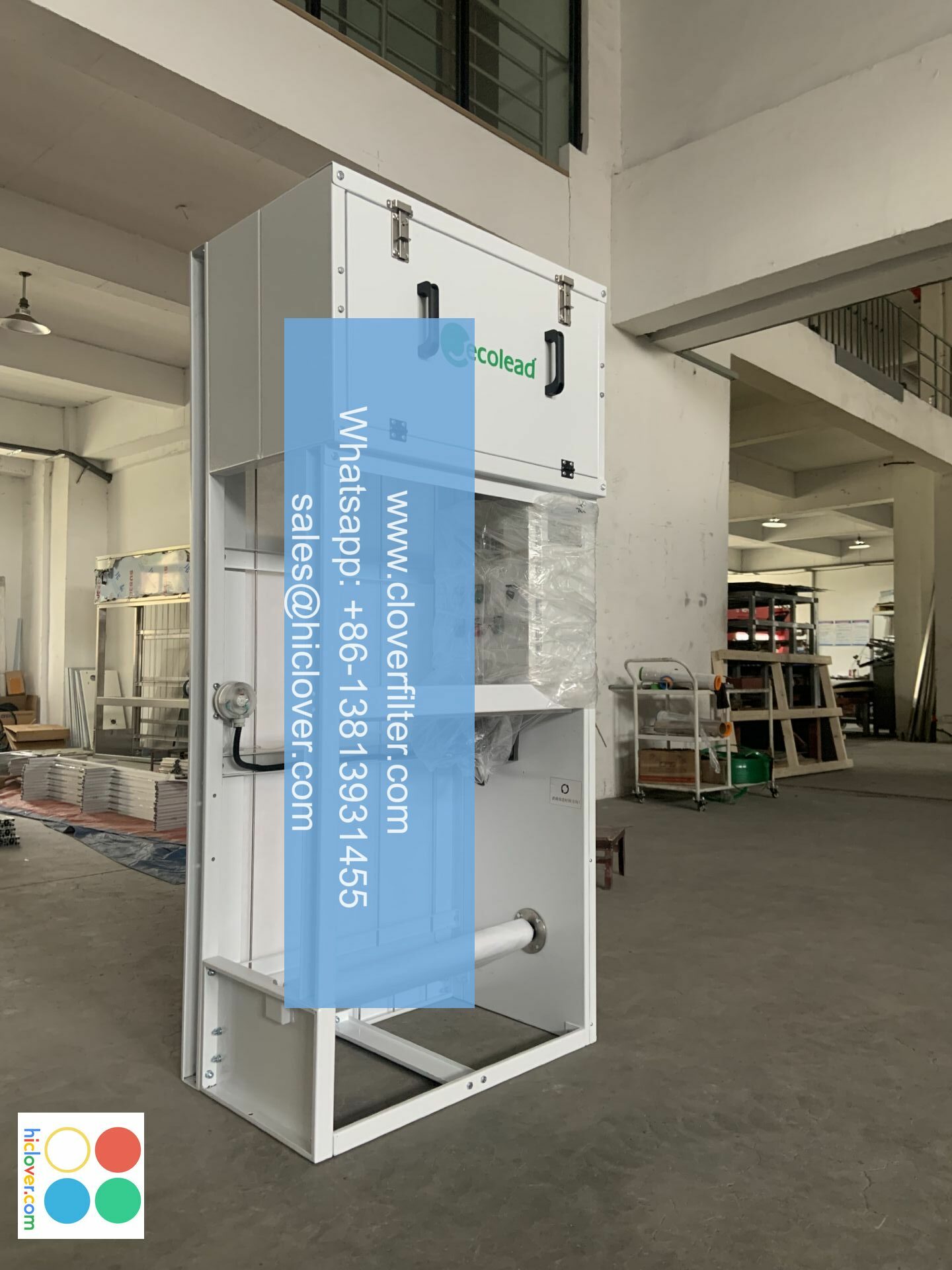
In the ever-evolving landscape of healthcare, the importance of maintaining a clean and safe environment cannot be overstated. Air quality plays a critical role in patient care, particularly in medical settings where vulnerable populations are present. This article reviews the various applications of air filters in medical contexts, emphasizing their critical roles in improving air quality, protecting patients, and enhancing overall healthcare outcomes.
Importance of Air Quality in Healthcare

Healthcare facilities are tasked with minimizing infection risks and ensuring patient safety. Poor air quality can contribute to the spread of nosocomial infections and other health complications. Air filters are essential tools in healthcare settings, as they help remove airborne pathogens, allergens, and particulate matter, thus promoting a healthier environment for both patients and staff.
Types of Air Filters Used in Medical Settings
Several types of air filters are utilized in medical facilities, each designed to meet specific requirements:
- HEPA Filters: High-Efficiency Particulate Air (HEPA) filters are renowned for their ability to trap 99.97% of particles that are 0.3 microns in diameter. These filters are commonly used in isolation rooms and surgical theaters.
- ULPA Filters: Ultra-Low Penetration Air (ULPA) filters are more efficient than HEPA filters, capturing even smaller particles. They are especially useful in cleanrooms and areas requiring stringent air quality control.
- Activated Carbon Filters: These filters are designed to remove odors, volatile organic compounds (VOCs), and other chemical contaminants from the air, making them suitable for outpatient facilities and laboratories.
- Electrostatic Filters: These filters use electrostatic charge to attract particles, effective in reducing contaminants in larger spaces such as waiting rooms and common areas.
Applications in Various Medical Settings
Air filters are deployed in a variety of medical applications, addressing unique challenges associated with each environment. Below are some key areas of application:
1. Hospitals and Emergency Rooms
In critical care areas like emergency rooms and intensive care units (ICUs), maintaining high air quality is vital. HEPA and ULPA filters are standard for preventing the spread of infections and ensuring that patients receive optimal care.
2. Surgical Theaters
During surgeries, the risk of infection is particularly high, necessitating the use of advanced filtration systems. Positive pressure systems equipped with HEPA filters are commonly utilized to keep airborne contaminants at bay, safeguarding patient health.
3. Laboratories
Research labs and diagnostic facilities require strict air quality standards. Air filters that reduce chemical fumes and biological agents help maintain safety for laboratory personnel. Biological safety cabinets often incorporate HEPA filters for optimal protection.
4. Dental Clinics
Dental procedures can generate aerosols, which may contain infectious agents. Proper ventilation systems using high-grade filters are essential in reducing risks in dental settings. Activated carbon filters can also reduce odors, enhancing patient comfort.
5. Long-term Care Facilities
In nursing homes and assisted living centers, vulnerable populations require excellent air quality. Implementing air filtration systems can help reduce respiratory illnesses and promote a healthier living environment for residents.
Conclusion
In summary, the applications of air filters in medical settings are diverse and crucial for promoting patient safety and care quality. As healthcare continues to prioritize infection control and patient well-being, the implementation of advanced air filtration systems will play an essential role in shaping the future of medical environments. Continued research and investment in air quality technologies will further enhance the capabilities of healthcare facilities to protect both patients and healthcare providers.
It looks like you entered “Prompt.” Could you please provide more details or specify what you would like to discuss or ask about? I’m here to help!
