Air Filter Calculator: A Must-Have Tool for Facility Managers

In today’s technology-driven world, facility managers are tasked with numerous responsibilities, ranging from maintenance to energy efficiency. One critical aspect of ensuring optimal indoor air quality is the management of air filters. This is where an Air Filter Calculator comes into play—a powerful and essential tool for facility managers aiming to streamline their operations and improve air quality.
What is an Air Filter Calculator?
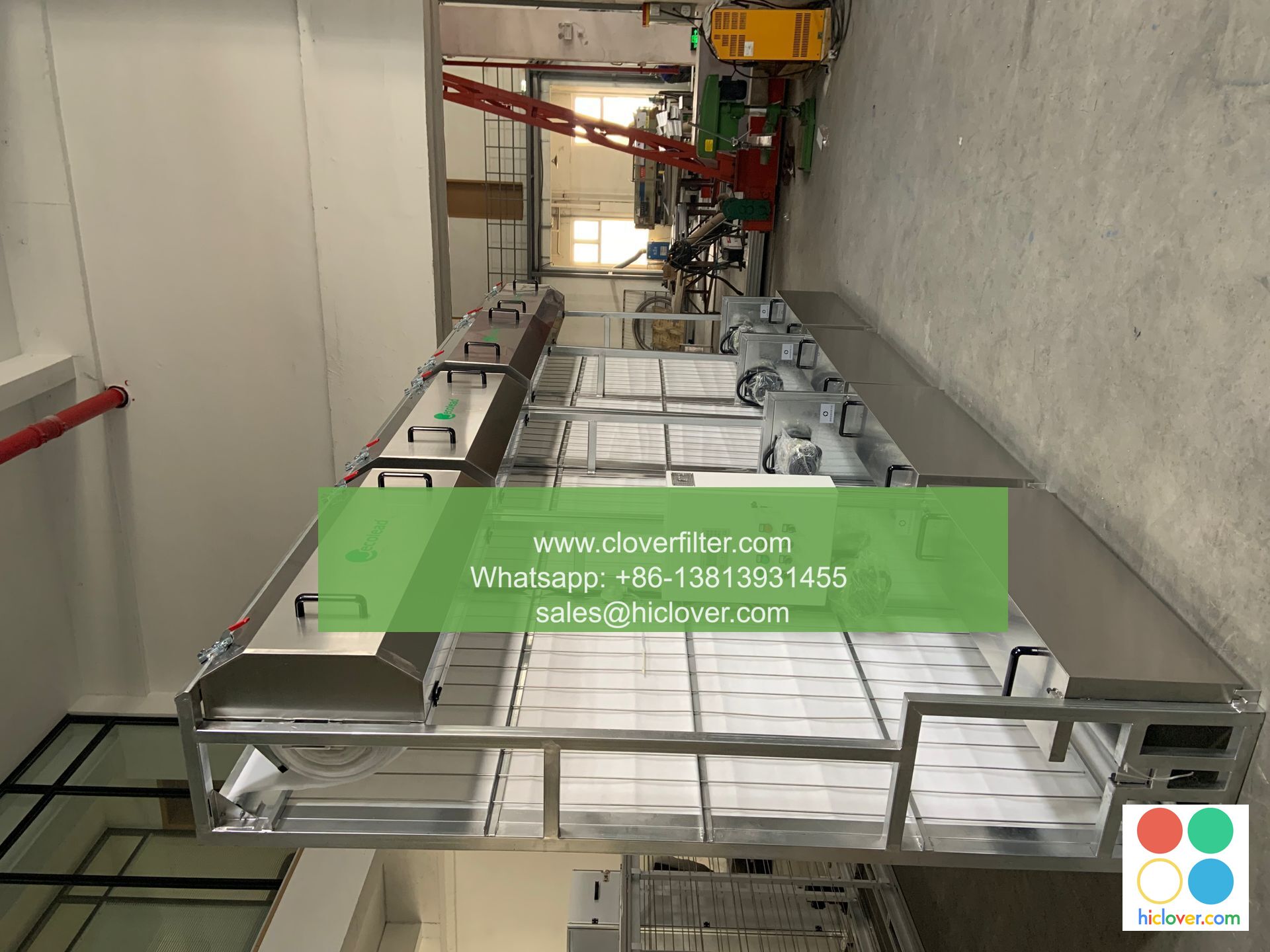
An Air Filter Calculator is a digital tool or software that helps facility managers determine the appropriate air filtration requirements based on various parameters, including space size, air exchange rates, and filter specifications. By inputting relevant data, managers can obtain precise recommendations for filter types, sizes, and quantities, making it crucial for maintaining both comfort and efficiency.
Benefits of Using an Air Filter Calculator
1. Improved Air Quality
Using an air filter calculator ensures that the right type and size of filters are selected, enhancing indoor air quality. This is particularly vital in environments such as hospitals, schools, and offices, where air quality directly impacts health and productivity.
2. Cost Efficiency
By accurately calculating the filter requirements, facility managers can avoid overbuying or underbuying air filters. This not only saves costs but also reduces unnecessary waste, aligning with sustainability efforts. In industries such as manufacturing and food processing, where air quality can affect product quality, having the right filters is critical for operational efficiency.
3. Energy Savings
An often-overlooked aspect of air filtration is its impact on energy consumption. Properly sized filters help HVAC systems operate more efficiently, thus lowering energy costs. Utilizing an air filter calculator can help managers make informed decisions that lead to significant energy savings, particularly in commercial buildings and warehouses.
Application Areas for Air Filter Calculators
A. Commercial Buildings
In commercial settings, maintaining a comfortable and healthy environment is key. Facility managers can use an air filter calculator to determine the right filters for their HVAC systems, ensuring optimal performance and air quality for employees and clients.
B. Healthcare Facilities
In hospitals and clinics, air quality is paramount. An air filter calculator allows healthcare facility managers to select filters that remove harmful pathogens, allergens, and pollutants, ensuring a safe environment for both patients and staff.
C. Educational Institutions
Schools and universities require a clean and safe atmosphere for students and staff. By utilizing an air filter calculator, facility managers can improve air quality by using appropriate filters, thus reducing absenteeism and enhancing learning environments.
D. Industrial and Manufacturing Plants
In manufacturing environments, air quality can significantly affect worker safety and product integrity. Air filter calculators enable facility managers to select filters that accommodate high dust loads and specific pollutants, safeguarding the health of employees and minimizing contamination in products.
How to Use an Air Filter Calculator
Using an air filter calculator is generally straightforward. Following these simple steps can help facility managers maximize its effectiveness:
- Input Dimensions: Enter the dimensions of the space (length, width, height) to calculate the total volume.
- Air Changes Per Hour (ACH): Input the desired air changes per hour to maintain desired air quality.
- Filter Specifications: Include specific filter attributes, such as MERV rating and dimensions.
- Review Recommendations: The calculator will generate recommendations for filter types, sizes, and quantities based on the inputs provided.
Conclusion
Incorporating an Air Filter Calculator into the daily operations of facility management is not just a luxury—it’s a necessity. This invaluable tool not only enhances air quality but also contributes to cost savings, energy efficiency, and overall operational effectiveness. From commercial buildings to healthcare facilities, the applications are vast and critical. By leveraging technology like the air filter calculator, facility managers can ensure a healthier, more productive environment for all.
It looks like you entered “Prompt” without any additional details. Could you please clarify what you’re looking for? Are you interested in writing prompts, questions, or a specific topic? Let me know how I can assist you!
