Air Filter Calculator: A Tool for Creating a Healthy Indoor Environment for Seniors

Maintaining a healthy indoor environment is essential for everyone, but it becomes particularly crucial for seniors. As we age, our bodies become more susceptible to various health risks, including respiratory issues and allergies. One effective way to create a safer and healthier indoor atmosphere is through proper air filtration. This is where an Air Filter Calculator comes into play.
Understanding the Importance of Air Quality for Seniors

Air quality significantly affects health, especially for elderly individuals who may already have pre-existing conditions. Poor indoor air quality can exacerbate respiratory diseases, cause allergy flare-ups, and lead to decreased overall well-being. Seniors often spend more time indoors, making it imperative to ensure that the air they breathe is clean and free from pollutants.
What is an Air Filter Calculator?
An Air Filter Calculator is a specialized tool that helps users determine the appropriate type and size of air filters for their home environment. By inputting various parameters, such as the size of the room, type of heating and cooling system, and specific pollutants of concern, users can receive tailored recommendations for their air filtration needs.
Key Benefits of Using an Air Filter Calculator
-
Customizable Recommendations: Each home and its occupants are unique, and an Air Filter Calculator provides customized solutions based on individual requirements.
-
Enhanced Health and Comfort: By recommending the right filters, seniors can breathe easier and enjoy a more comfortable home environment, which is vital for their overall health.
-
Cost-Effective Solutions: The calculator can help identify the most efficient filters, leading to potential savings on energy costs and extended equipment life.
-
User-Friendly Interface: Many Air Filter Calculators are designed for simplicity, allowing seniors or their caregivers to easily navigate and understand the outputs.
-
Gather Information: Before using the calculator, collect necessary information such as the dimensions of the room, the number of people residing there, and any known allergens.
-
Input Data: Enter the collected data into the calculator. This typically includes room measurements, type of HVAC system, and specific air quality concerns.
-
Review Recommendations: Analyze the output provided by the calculator. It will suggest suitable air filters, taking into account factors like MERV rating and filter type.
-
Implementation: Purchase the recommended filters and begin the installation process, ensuring that the home environment becomes a healthier place for seniors.
-
The Hidden Door: You find a door in your house that you’ve never noticed before. When you open it, you discover a room that changes every time you enter. What do you find inside, and how does it change your life?
-
The Time Capsule: While digging in your backyard, you uncover a time capsule from the year 2050. What items are inside, and how do they reflect the future you never expected?
-
The Last Message: A mysterious letter arrives at your doorstep, addressed to you but postmarked from 20 years in the future. What does it say, and how does it impact your present decisions?
-
The Musical Bond: In a world where music has the power to heal or harm, you discover a tune that can alter people’s emotions. What do you do with this newfound ability?
-
The Parallel Universe: One day, you wake up to find that you have switched places with an alternate version of yourself from a parallel universe. What’s different about your life, and what do you learn from this experience?
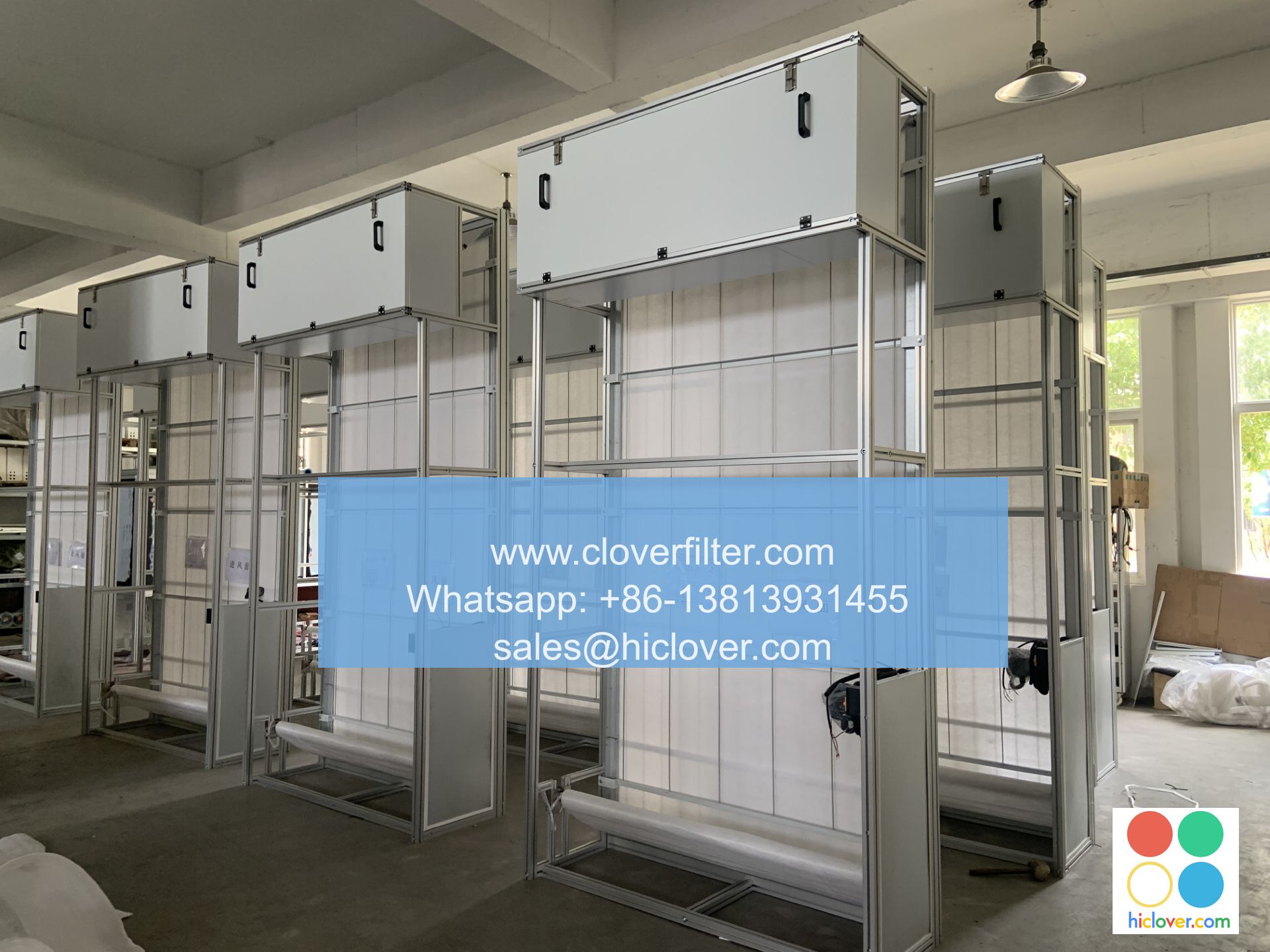
Application Areas for Air Filter Calculators
1. Home Environments
Seniors living independently or with family members can benefit from using an Air Filter Calculator to ensure their living spaces are equipped with the right filtration systems. This can reduce allergens such as dust mites, pet dander, and pollen, which can all impact a senior’s quality of life.
2. Healthcare Facilities
In hospitals and nursing homes, maintaining clean air is essential. Air Filter Calculators can be used to determine the best filtration systems to support the health of elderly patients, especially those with compromised immune systems or respiratory conditions.
3. Assisted Living Facilities
Assisted living facilities must prioritize air quality to support residents’ well-being. An Air Filter Calculator can assist facility managers in making data-driven decisions to enhance air quality standards in shared spaces.
4. Community Programs
Community health programs aimed at improving the quality of life for seniors can incorporate Air Filter Calculators as tools for education and resourcefulness. Educating caregivers and seniors about air quality can empower them to take action and improve their living conditions.
How to Use an Air Filter Calculator
Conclusion
Creating a healthy indoor environment for seniors is crucial, and utilizing an Air Filter Calculator is a step toward achieving that goal. By ensuring proper air filtration, not only can caregivers protect the health of elderly individuals, but they can also enhance their quality of life through improved air quality. With the right tools and knowledge, anyone can contribute to creating safer, healthier indoor spaces for seniors.
It seems like you might be looking for a writing prompt or some creative inspiration. Here are a few options to consider:
Feel free to use one of these prompts or tweak them to make them your own! Would you like more ideas or a different type of prompt?
