Air Filter Certification: A Guide to Proper Maintenance and Cleaning
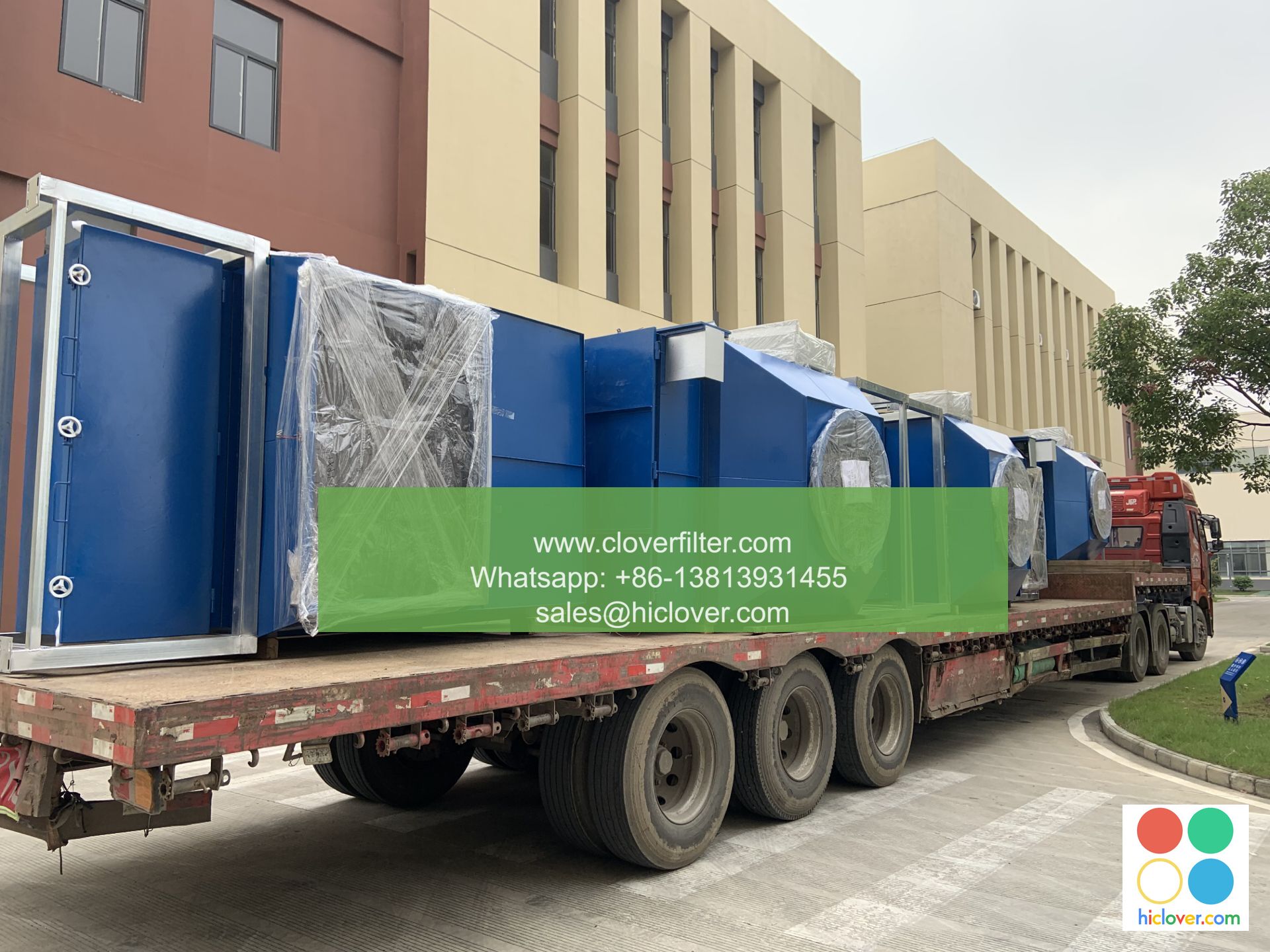
Proper air filter maintenance and cleaning are crucial for ensuring the optimal performance and longevity of heating, ventilation, and air conditioning (HVAC) systems, as well as air purifiers and other air quality management devices. In this article, we will delve into the world of air filter certification, highlighting various application areas, and providing a comprehensive guide on how to properly maintain and clean air filters.
Introduction to Air Filter Certification
Air filter certification is a process that verifies the effectiveness and efficiency of air filters in removing airborne pollutants, such as particulate matter (PM), gases, and volatile organic compounds (VOCs). The certification process involves testing air filters against specific standards, such as those set by the American Society of Heating, Refrigerating, and Air-Conditioning Engineers (ASHRAE) and the International Organization for Standardization (ISO). Air filter certification is essential for ensuring that air filters meet the required standards for indoor air quality (IAQ) management.
Types of Air Filters and Their Applications
There are several types of air filters, each designed for specific applications and industries. Some of the most common types of air filters include:
- HEPA (High Efficiency Particulate Air) filters, which are designed for use in healthcare facilities, laboratories, and other areas where high levels of air purification are required.
- Activated carbon filters, which are used to remove gases, VOCs, and odors from the air.
- Pleated filters, which are commonly used in residential and commercial HVAC systems.
- UV (Ultraviolet) filters, which are designed to remove airborne microorganisms, such as bacteria and viruses.
- Indoor air quality management
- Industrial process control
- Healthcare and medical facilities
- Commercial and residential buildings
- Aerospace and automotive industries
- Regularly inspect air filters for signs of wear and tear, such as tears, holes, and excessive dirt buildup.
- Clean or replace air filters according to the manufacturer’s instructions.
- Use a soft brush or vacuum cleaner to remove loose dirt and debris from air filters.
- Avoid using harsh chemicals or abrasive materials to clean air filters, as these can damage the filter media.
- Consider using a filter cleaning solution or a professional filter cleaning service for heavily soiled or damaged air filters.
- ASHRAE Standard 52.2, which sets the minimum requirements for air filter performance and efficiency.
- ISO 16890, which provides a global standard for air filter testing and certification.
- UL (Underwriters Laboratories) certification, which verifies the safety and performance of air filters.
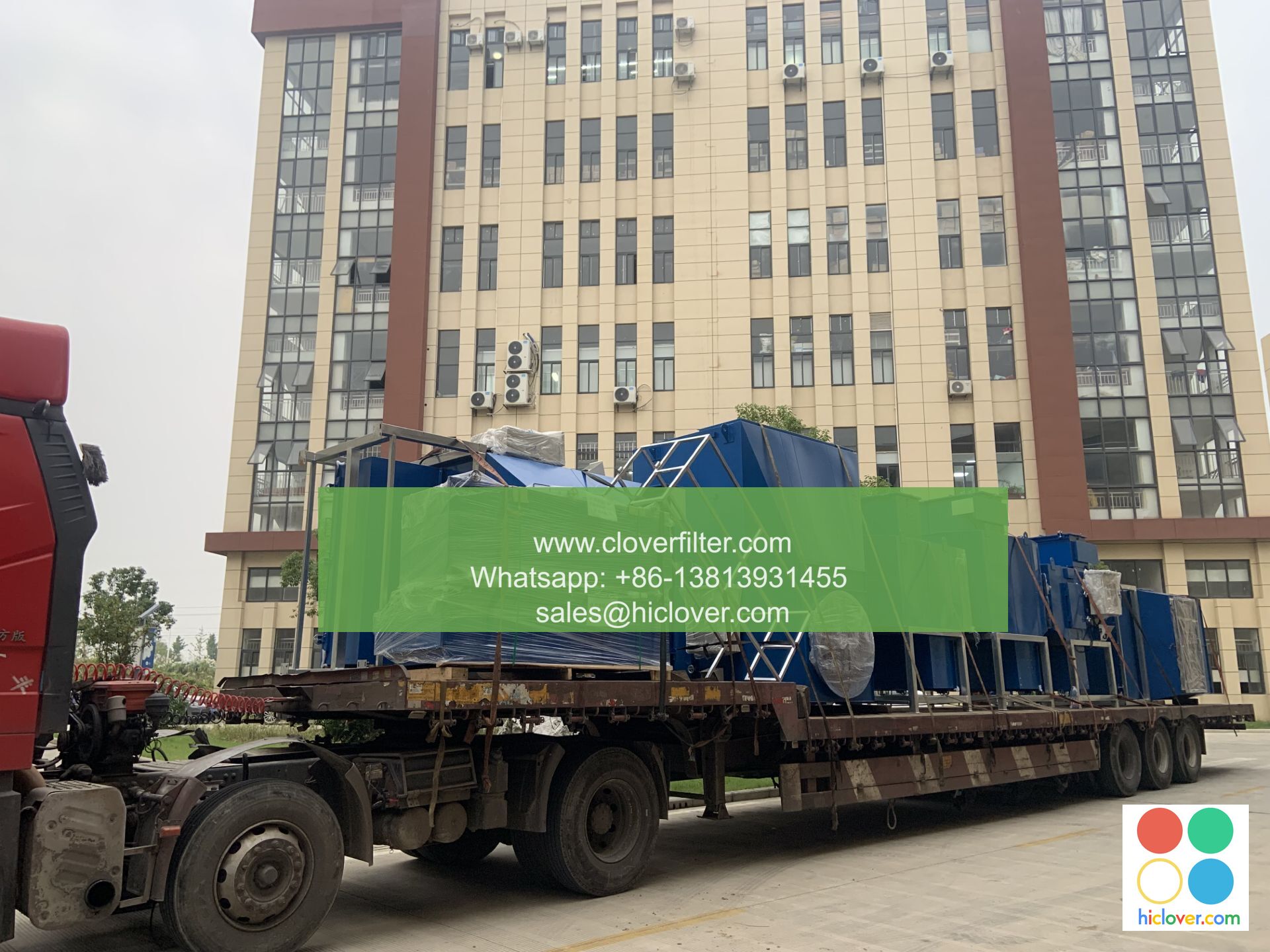
These air filters are used in various application areas, including:

Proper Maintenance and Cleaning of Air Filters
Proper maintenance and cleaning of air filters are essential for ensuring their optimal performance and longevity. Here are some tips for maintaining and cleaning air filters:
Certification Standards for Air Filters
There are several certification standards for air filters, including:
These certification standards ensure that air filters meet the required standards for indoor air quality management and provide a level of assurance for consumers and industries.
Conclusion
In conclusion, air filter certification is a critical process that ensures the effectiveness and efficiency of air filters in removing airborne pollutants. Proper maintenance and cleaning of air filters are essential for ensuring their optimal performance and longevity. By understanding the different types of air filters, their applications, and the certification standards, consumers and industries can make informed decisions when selecting and maintaining air filters. Whether you are looking to improve indoor air quality, reduce energy costs, or ensure compliance with regulatory standards, air filter certification is an essential consideration. By following the guidelines outlined in this article, you can ensure that your air filters are properly maintained and cleaned, providing a healthier and more sustainable indoor environment. You haven’t asked a question or provided any context. Can you please provide more information so I can assist you? What would you like to talk about or ask?
