Air Filter Certification and Standards
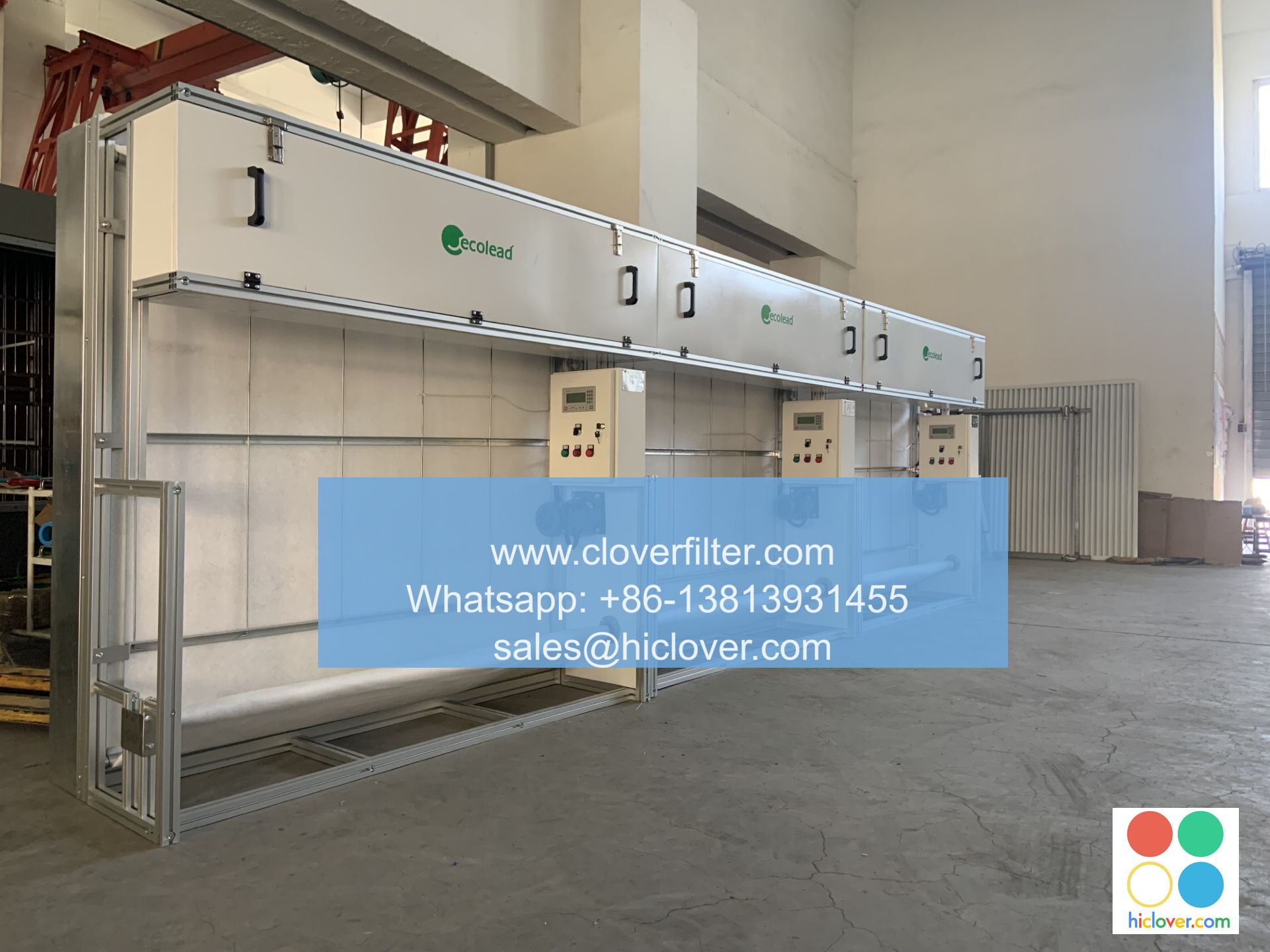
Air Filter Certification and Standards: Ensuring Respiratory Health and Environmental Protection
Overview

Air filters play a crucial role in protecting the respiratory health of individuals and the environment. With the rising concern for air quality and indoor pollution, the importance of high-quality air filters cannot be overstated. In this article, we will delve into the world of air filter certification and standards, exploring the key players, application areas, and benefits of certified air filters.
Key Players in Air Filter Certification
Several organizations and agencies are involved in establishing and maintaining air filter certification standards. Some of the key players include:
- ASTM International (American Society for Testing and Materials): Develops and publishes standards for various materials, including air filters.
- IEST (Institute of Environmental Sciences and Technology): Provides standards and guidelines for the design, testing, and application of air filters.
- CARB (California Air Resources Board): Sets standards for air filters used in vehicles to reduce emissions and improve air quality.
- EPA (Environmental Protection Agency): Establishes standards for air filters used in commercial and industrial settings to reduce indoor pollution.
- FPR (Filter Performance Rating): Measures the filter’s ability to remove particles and gases from the air.
- MERV (Minimum Efficiency Reporting Value): Evaluates the filter’s effectiveness in removing airborne particles.
- HEPA (High Efficiency Particulate Air): Certifies filters that capture 99.97% of particles as small as 0.3 microns.
- Activated Carbon (AC): Certifies filters that contain activated carbon, which effectively removes gases and odors from the air.
- HVAC (Heating, Ventilation, and Air Conditioning): Certified air filters are used to improve indoor air quality and reduce allergen-related diseases.
- Industrial (Manufacturing, chemical processing, and pharmaceuticals): Certified air filters reduce emissions, improve worker health, and minimize environmental impact.
- Automotive: Certified air filters are used in vehicles to reduce emissions, improve fuel efficiency, and enhance driver comfort.
- Healthcare (Hospitals, clinics, and medical centers): Certified air filters reduce the risk of hospital-acquired infections and improve patient comfort.
- Improved Indoor Air Quality: Certified air filters reduce airborne pollutants, improving respiratory health and overall well-being.
- Reduced Environmental Impact: Certified air filters minimize emissions and waste, contributing to a cleaner and healthier environment.
- Increased Efficiency: Certified air filters optimize filter performance, reducing energy consumption and maintenance costs.
- Enhanced Productivity: Certified air filters improve working conditions, enhancing productivity and employee satisfaction.

Air Filter Certification Standards
Certified air filters must meet specific standards and guidelines set forth by leading organizations. Some of the key standards include:
Application Areas for Certified Air Filter
Certified air filters are essential in various industries and applications, including:
Benefits of Certified Air Filters
The benefits of certified air filters are numerous and far-reaching:
Conclusion
Air filter certification and standards play a vital role in ensuring the respiratory health of individuals and the environment. By understanding the key players, standards, and application areas, we can make informed decisions about the air filters used in our daily lives. By choosing certified air filters, we can enjoy improved indoor air quality, reduced environmental impact, increased efficiency, and enhanced productivity.
I’m here to help! What would you like to talk about or ask? I can generate text on a wide range of topics, from science and history to entertainment and culture. Or, if you have a specific question or prompt in mind, feel free to share it with me!
