Air Filter Certification and Verification: A Documentation Process
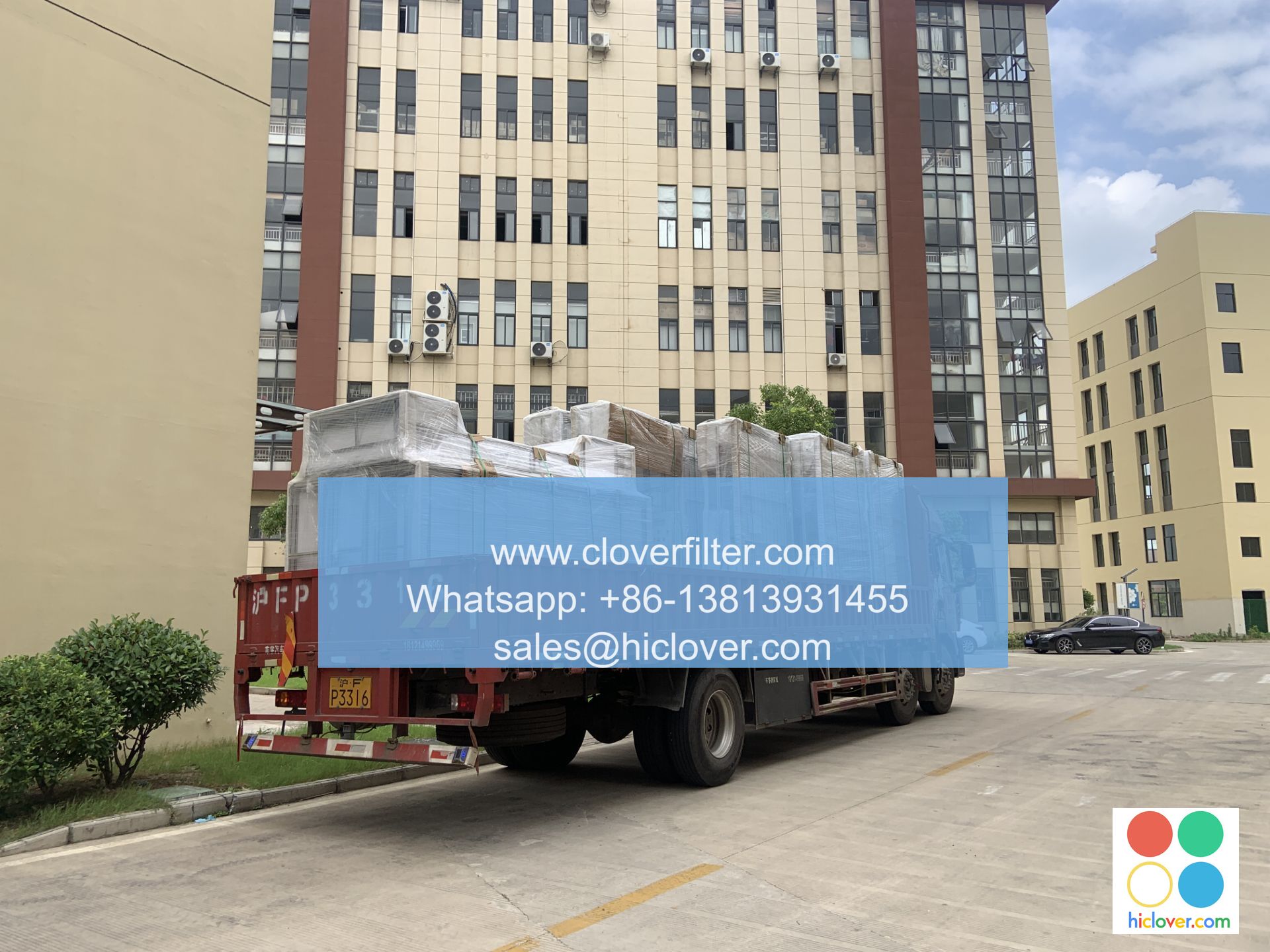
Air filter certification and verification are crucial processes that ensure the quality and effectiveness of air filters in various applications, including industrial air filtration, commercial HVAC systems, and residential air purification. In this article, we will delve into the documentation process involved in air filter certification and verification, highlighting the importance of indoor air quality (IAQ), filter efficiency, and standardization.
Introduction to Air Filter Certification
Air filter certification is a process that involves testing and evaluating the performance of air filters against specific standards and regulations. The certification process typically involves laboratory testing, field testing, and documentation review. The goal of air filter certification is to ensure that the filters meet the required standards for particulate matter (PM) removal, gaseous contaminant removal, and filter durability.
Verification of Air Filter Performance
Verification of air filter performance is an essential step in the certification process. This involves on-site testing and evaluation of the air filter’s performance in real-world conditions. The verification process helps to ensure that the air filter performs as expected and meets the required standards for air flow rate, pressure drop, and
Application Areas for Certified Air Filters
Certified air filters have a wide range of applications, including:
* Industrial air filtration: Certified air filters are used in industrial settings to remove particulate matter, gases, and vapors from the air, improving worker health and safety.
* Commercial HVAC systems: Certified air filters are used in commercial HVAC systems to improve indoor air quality and reduce the risk of airborne illnesses.
* Residential air purification: Certified air filters are used in residential air purification systems to remove allergens, pollutants, and odors from the air, improving indoor air quality.

Documentation Process for Air Filter Certification
The documentation process for air filter certification involves the following steps:
* Test report preparation: The test report should include details of the testing procedure, test results, and any deviations from the standard testing protocol.
* Certification body review: The certification body reviews the test report and documentation to ensure that the air filter meets the required standards.
* Certificate issuance: The certification body issues a certificate of compliance to the manufacturer, indicating that the air filter meets the required standards.
Importance of Standardization in Air Filter Certification
Standardization is crucial in air filter certification, as it ensures that air filters are tested and evaluated against a common set of standards. Standardization helps to:
* Ensure consistency: Standardization ensures that air filters are tested and evaluated consistently, reducing the risk of inconsistent results.
* Facilitate comparison: Standardization facilitates comparison between different air filters, making it easier to select the right filter for a specific application.
* Improve credibility: Standardization improves the credibility of the certification process, giving manufacturers and end-users confidence in the performance of certified air filters.
In conclusion, air filter certification and verification are essential processes that ensure the quality and effectiveness of air filters in various applications. The documentation process involved in air filter certification is critical, as it ensures that air filters meet the required standards for indoor air quality, filter efficiency, and standardization. By highlighting the importance of standardization, filter efficiency, and indoor air quality, we can promote the use of certified air filters in various applications, improving public health and environmental sustainability. It seems like you forgot to include the actual prompt. Please go ahead and provide the details, and I’ll be happy to help!
