Air Filter Certification: What Does it Mean?
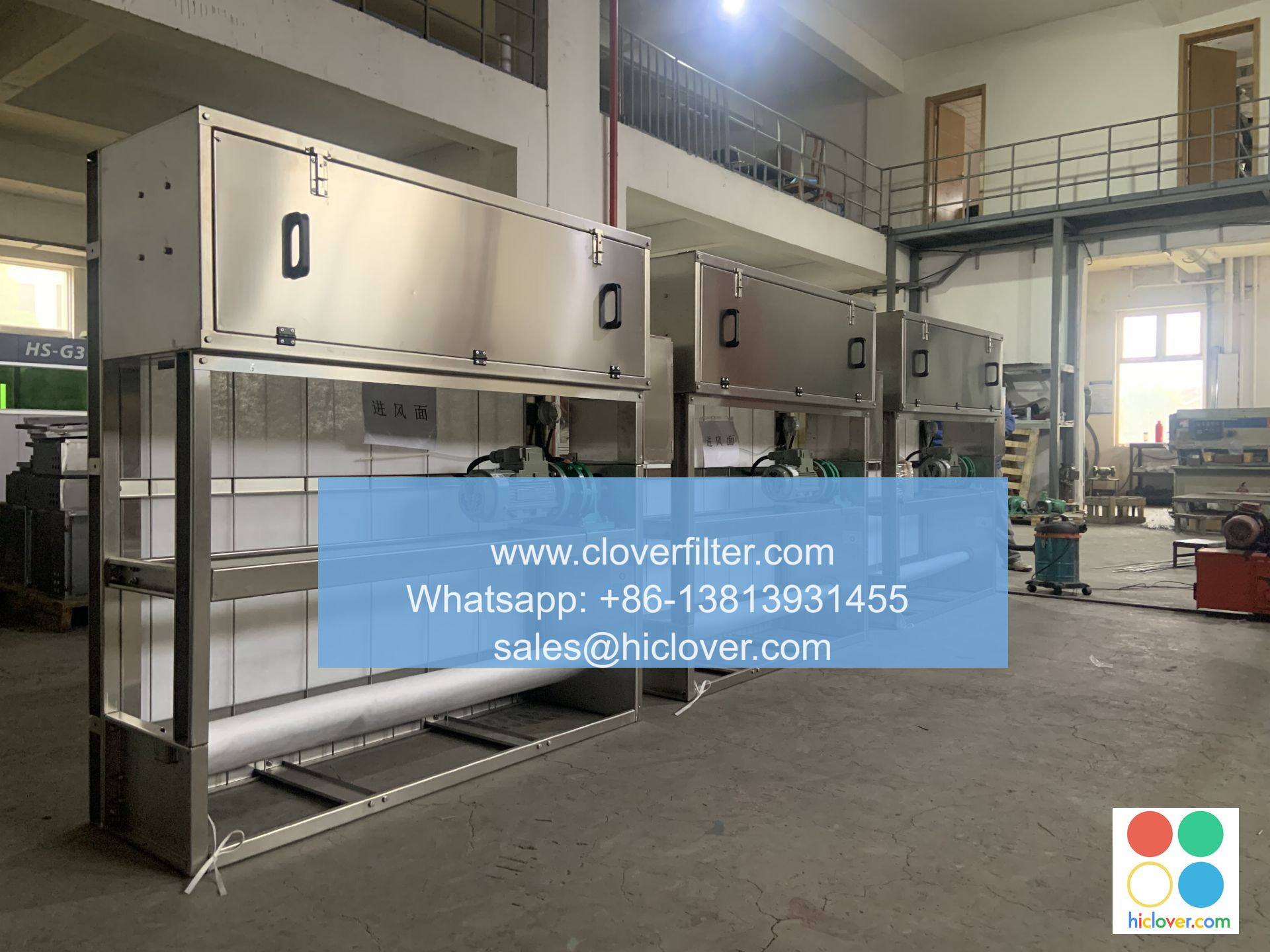
Air quality is a critical aspect of our health and environment, making the use of air filters in homes, workplaces, and industries essential. However, not all air filters are created equal. Understanding air filter certification is vital for consumers looking to ensure they are purchasing effective and reliable products. In this article, we will explore what air filter certification entails, its significance, and the various application areas where these filters are utilized.
What is Air Filter Certification?

Air filter certification refers to the validation process that determines the performance and quality standards of air filters. Various organizations and institutions provide certifications based on specific testing procedures that assess an air filter’s efficiency, longevity, and overall effectiveness in removing airborne contaminants.
Key Certifications and Standards
Several recognized bodies offer air filter certifications, each focusing on different criteria:
-
HEPA Certification: High-Efficiency Particulate Air (HEPA) filters must meet strict standards set by the U.S. Department of Energy (DOE). A true HEPA filter must capture at least 99.97% of particles that are 0.3 microns in size.
-
MERV Rating: The Minimum Efficiency Reporting Value (MERV) measures the filter’s ability to capture particles of various sizes. Higher MERV ratings indicate better filtration efficiency, making them suitable for different settings.
-
ASHRAE Standards: The American Society of Heating, Refrigerating, and Air-Conditioning Engineers (ASHRAE) also provides guidelines and certification protocols for air filters, focusing on their performance in HVAC systems.

Why is Air Filter Certification Important?
Assurance of Quality
One of the primary benefits of air filter certification is assurance of quality. Consumers can trust that certified filters meet established standards for filtration and performance. This trust is especially vital for applications that require high air quality, such as hospitals and laboratories.
Improved Air Quality
Certified air filters have been tested and verified to effectively remove harmful particles, allergens, and pollutants from the air. This is crucial in environments where air quality is a significant health concern, including residential, commercial, and industrial settings.
Energy Efficiency
Many certified filters are designed to optimize airflow while maintaining high filtration efficiency. By enabling HVAC systems to operate more effectively, consumers can benefit from lower energy costs and extended equipment life.
Application Areas of Air Filters
Air filters play a crucial role in various sectors, each with unique needs for air quality management. Here are some notable application areas:
Residential Use
In homes, air filters help reduce dust, pollen, pet dander, and other allergens, contributing to a healthier living environment. Certified filters are often preferred in HVAC systems to ensure maximum effectiveness.
Commercial Settings
Businesses, particularly those in the healthcare, hospitality, and food service industries, require air filters that meet specific health and safety regulations. Certified air filters help maintain compliance and ensure a safe atmosphere for employees and customers.
Industrial Applications
Industries such as manufacturing and pharmaceuticals have stringent air quality requirements. Air filters used in these settings are often certified to handle specific contaminants, ensuring safety and compliance with industry standards.
Automotive Industry
In modern vehicles, cabin air filters are crucial for maintaining air quality. Certified filters help remove smoke, dust, and pollutants, providing a cleaner air experience for passengers.
Conclusion
Understanding air filter certification is essential for anyone looking to improve air quality in any environment. Certified air filters ensure reliable performance, enhanced air quality, and energy efficiency. Whether for residential, commercial, industrial, or automotive use, investing in certified air filters not only protects health but also promotes a cleaner, more sustainable future.
For consumers, selecting certified filters can make a significant difference in the effectiveness of air purification efforts, ultimately leading to a healthier living and working environment. Always look for filters with recognized certifications to guarantee the quality and effectiveness you deserve.
Sure! What kind of prompt are you looking for? It could be related to writing, art, brainstorming ideas, or any specific topic you have in mind. Let me know how I can assist you!
