Air Filter Certifications: What Do They Really Mean?
Key Takeaways:
- Understanding air filter certifications is crucial for optimizing air quality and energy savings.
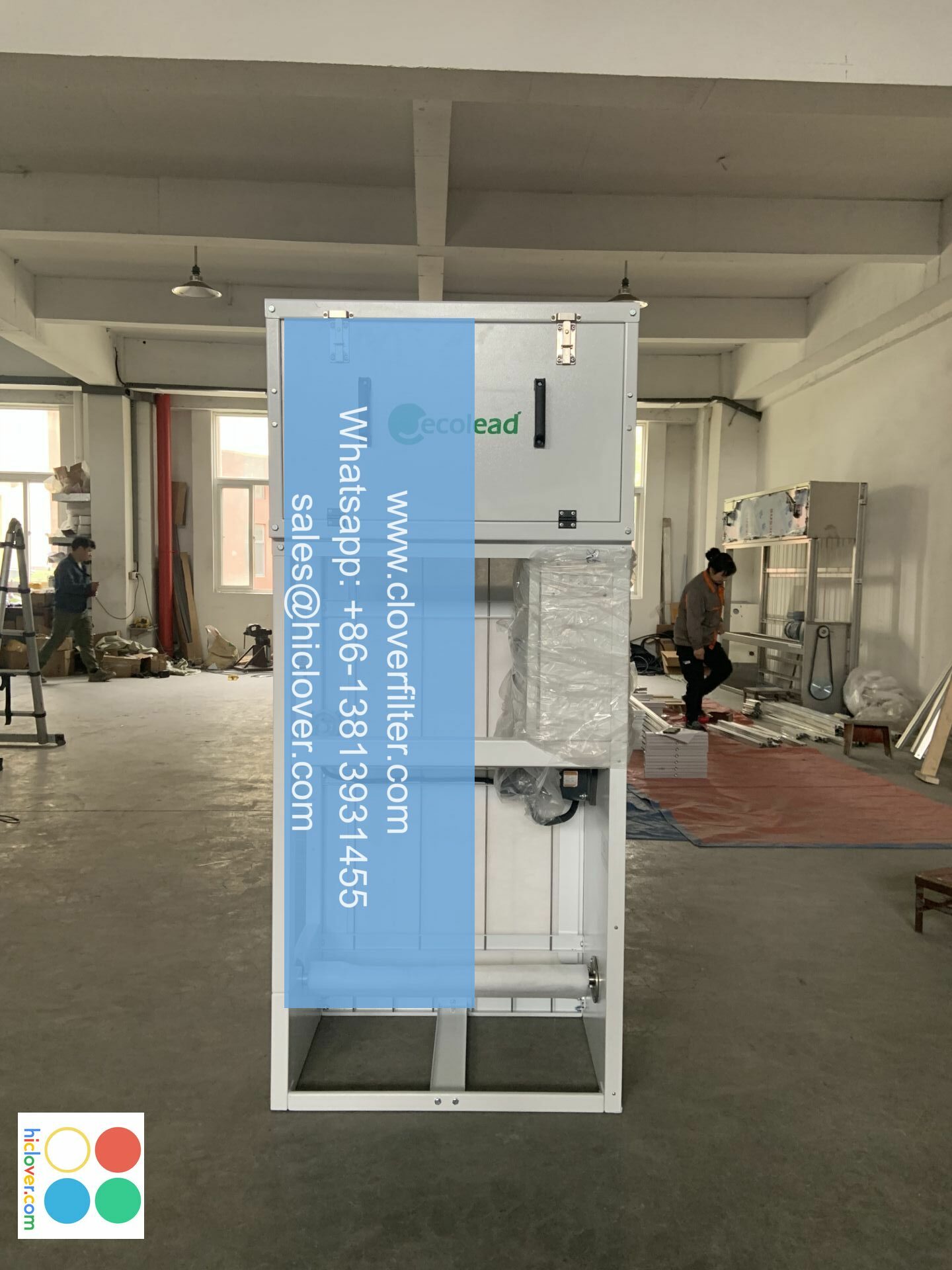
- Automatic Roll Air Filters automate maintenance and reduce operational costs.
- Familiarity with MERV and ISO 16890 can guide procurement decisions.
- Correct filter selection impacts equipment lifespan and efficiency.
- Avoid common pitfalls associated with improper filter usage for maximum performance.
- Roll Media Advance Logic: The filter automatically advances the roll media when it reaches a set differential pressure.
- Differential Pressure Trigger: This built-in feature signals when to replace the media, reducing the likelihood of system malfunctions.
- Timer Mode: Users can also set the unit to change media based on a time schedule, optimizing maintenance workflows.
- Airflow Range: Determine the required airflow for your specific application.
- Face Velocity: Consider the speed of air moving through the filter to ensure compatibility with existing HVAC systems.
- Media Width/Length: Larger filters may accommodate greater particulate control.
- Frame Size: Ensure the filter fits seamlessly into your current setup.
- Control Options: Automated features can aid in maintenance reduction.
- Power Supply: Check compatibility with your existing electrical configuration.
- Installation Location: Decide on placement—whether as a fresh air intake, return, or process filter.
- Not matching filter type to system airflow needs.
- Ignoring pressure drop impacts on overall HVAC efficiency.
- Overlooking maintenance schedules, leading to performance issues.
- Selecting a filter with insufficient MERV rating for application.
- Misplacing filters, affecting the air distribution.
- Failing to consider energy savings over time.
- Not reviewing the installation type, leading to inefficiencies.
- Data Center: Implementing an Automatic Roll Air Filter minimized downtime and maximized efficiency by automating media changes based on operational needs.
- Lithium Battery Factory: Strict particulate control is vital; using filters certified under ISO 16890 improved process cleanliness and compliance.
- Paint Shop: Managing VOC emissions with high-efficiency filters reduced health risks while enhancing paint durability.
- Textile/Steel/Cement Plant: The right air filters not only improved air quality but also prolonged equipment lifespan through effective particulate capture.

What Are Air Filter Certifications?
Air filter certifications provide benchmarks for how well a filter performs in various conditions and applications. Primary certifications such as MERV (Minimum Efficiency Reporting Value) and ISO 16890 are industry standards designed to ensure that facilities, cleanrooms, and HVAC systems maintain air quality while maximizing energy efficiency. When selecting filters for environments like lithium battery plants or hospitals, understanding these certifications is essential for compliance and safety.
The Role of Automatic Roll Air Filters in HVAC Systems
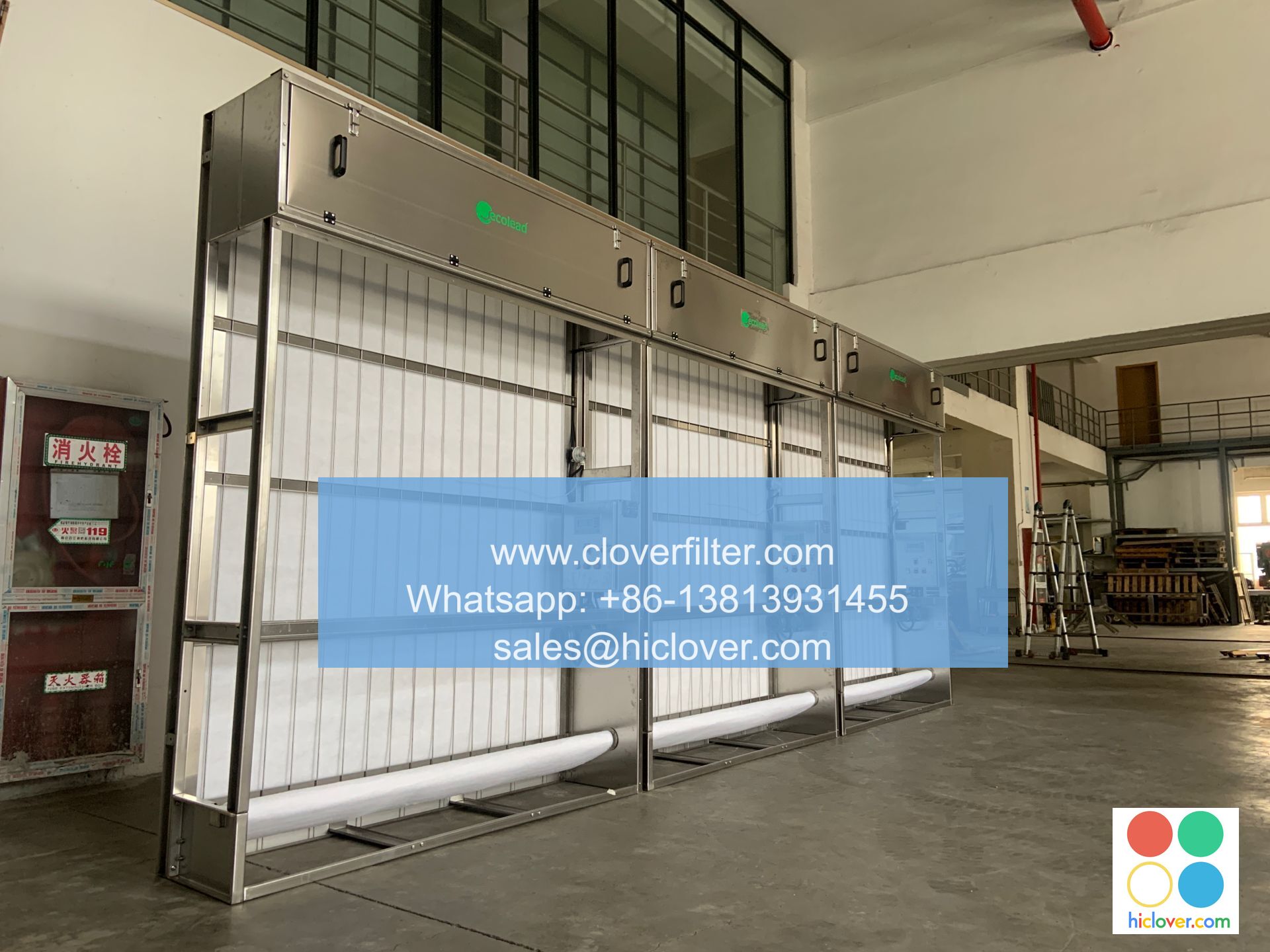
Automatic Roll Air Filters offer an advanced solution to air filtration in various settings, including factories and data centers. This type of filter operates on a roll media system, allowing for continuous filtration without the need for frequent manual changes. Here’s how it functions:
These features make the Automatic Roll Air Filter a reliable choice for fresh air intakes and AHU prefilters.
Practical Selection Guide
When selecting an air filter, consider the following factors to ensure optimal performance:
Air Filter Comparison Table
| Filter Type | Best Use Case | Maintenance | Pressure Drop Behavior | Operating Cost | Typical Risk/Downside |
|---|---|---|---|---|---|
| Automatic Roll Air Filter | Continuous operation | Low | Stable | Moderate to low | Initial higher cost |
| Bag Filter | High dust concentration | Moderate | Moderate | Low | Bulk; space requirements |
| Panel Filter | General usage | High | Variable | Low | Frequent changes needed |
| V-bank Filter | High airflow needs | Moderate | High | Moderate | Greater resistance |
Common Mistakes & How to Avoid Them
Avoid these frequent pitfalls when selecting air filters:
Real-World Scenarios
FAQs about Air Filter Certifications
Q1: What does MERV stand for?
A1: MERV stands for Minimum Efficiency Reporting Value and measures a filter’s ability to capture particles of different sizes.
Q2: How does ISO 16890 differ from MERV?
A2: ISO 16890 assesses filters based on their particulate removal efficiency across various particle sizes, while MERV provides a single efficiency rating.
Q3: What type of air filter should I use for a cleanroom?
A3: A high-efficiency particulate air (HEPA) filter is generally used for cleanrooms due to its ability to trap more than 99% of particles.
Q4: How often should I change filters?
A4: Replacement frequency depends on usage, but Automatic Roll Air Filters can extend intervals dramatically by managing media automatically.
Q5: Can I use one filter type for all applications?
A5: No, each application has specific requirements; using the appropriate filter ensures compliance and efficiency.
Q6: Are air filter certifications mandatory?
A6: Certifications are not mandatory, but adherence to them ensures better performance and compliance with industry standards.
Both CloverFilter and the Automatic Roll Air Filter excel in meeting diverse air quality needs while providing a pathway to enhanced operational efficiency. Proper selection aligned with air filter certifications can dramatically impact performance and sustainability in any facility.
Meta Description: Discover the significance of air filter certifications and how Automatic Roll Air Filters ensure efficiency in HVAC systems.
For personalized guidance on air filtration solutions, contact CloverFilter today at CloverFilter Contact.
Sure! What kind of prompt are you looking for? Are you interested in creative writing, brainstorming ideas, or something else entirely? Let me know how I can help!
