Air Filter Considerations for People with Respiratory Issues
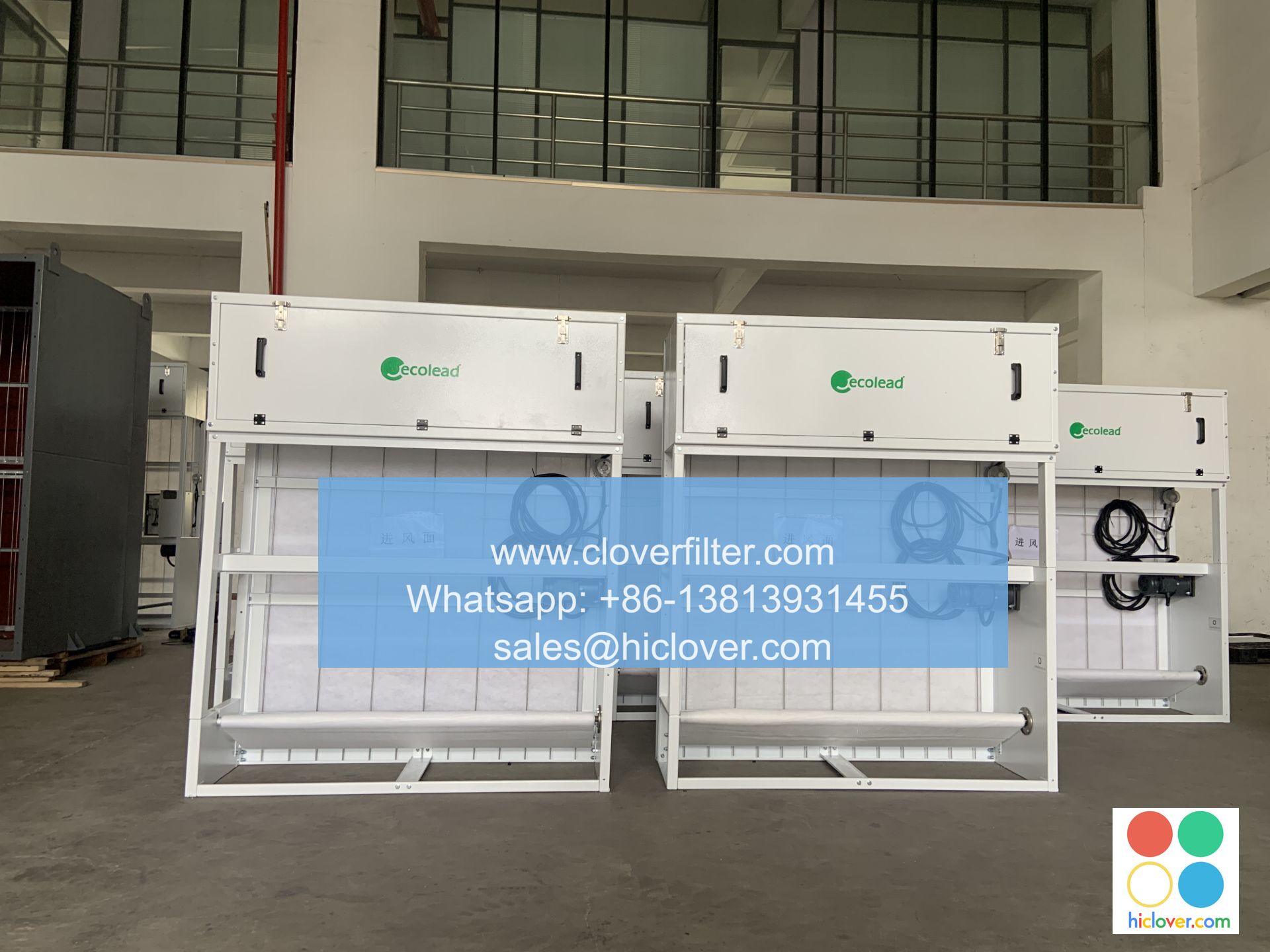
For individuals suffering from respiratory issues such as asthma, chronic obstructive pulmonary disease (COPD), and other breathing problems, the quality of indoor air is of utmost importance. Air filtration systems can play a crucial role in removing airborne pollutants, allergens, and irritants that can exacerbate respiratory symptoms. In this article, we will discuss the key considerations for selecting an effective air filter for respiratory health and highlight various application areas where these systems can be particularly beneficial.
Understanding Airborne Pollutants and Respiratory Health
Airborne pollutants such as particulate matter (PM), nitrogen dioxide (NO2), ozone (O3), and volatile organic compounds (VOCs) can trigger or worsen respiratory issues. These pollutants can come from various sources, including outdoor air, household cleaning products, building materials, and heating, ventilation, and air conditioning (HVAC) systems. Air quality monitoring can help identify the types and levels of pollutants present in a given environment, allowing individuals to take targeted measures to improve indoor air quality.
Key Considerations for Selecting an Air Filter
When choosing an air filter for respiratory health, several factors must be considered:
* Filtration efficiency: Look for filters with high efficiency ratings, such as those with a Minimum Efficiency Reporting Value (MERV) of 13 or higher, or those that use HEPA (High Efficiency Particulate Air) technology, which can capture 99.97% of particles as small as 0.3 microns.
* Filter type: Different filter types, such as activated carbon filters, electrostatic filters, and ультрафильтрация (ultrafiltration) filters, are suited for specific applications and pollutant types.
* Air flow rate: Ensure the filter can handle the required air flow rate for the space, taking into account factors such as room size, occupancy, and ventilation rates.
* Filter maintenance: Consider the maintenance requirements of the filter, including replacement schedules, cleaning procedures, and disposal methods.
Application Areas for Air Filtration Systems
Effective air filtration systems can be applied in various settings to improve indoor air quality and alleviate respiratory issues:
* Home air filtration: Whole-house systems or portable air purifiers can be used to remove pollutants and allergens from indoor air, creating a healthier environment for individuals with respiratory issues.
* Commercial air filtration: Offices, schools, and healthcare facilities can benefit from industrial air filtration systems that remove pollutants and improve indoor air quality, reducing the risk of respiratory problems and improving overall health and productivity.
* Transportation air filtration: Vehicle air filtration systems can help remove pollutants and allergens from the air in cars, buses, and other vehicles, providing a healthier environment for drivers and passengers.
* Healthcare air filtration: Medical air filtration systems are designed to meet the unique needs of healthcare facilities, removing airborne pathogens and pollutants to protect patients, staff, and visitors.

Conclusion
For individuals with respiratory issues, selecting an effective air filter for respiratory health is crucial for improving indoor air quality and alleviating symptoms. By understanding airborne pollutants, considering key factors such as filtration efficiency and filter type, and applying air filtration systems in various settings, individuals can create a healthier environment that supports their respiratory health and overall well-being. Remember to always consult with a healthcare professional or indoor air quality specialist to determine the best course of action for your specific needs and situation. It seems like you’re ready to start but haven’t specified a prompt yet. What would you like to talk about or ask? I can assist with a wide range of topics, from science and history to entertainment and culture. Let me know how I can help!
