Air Filter Contacts and Building Automation: Opportunities and Challenges
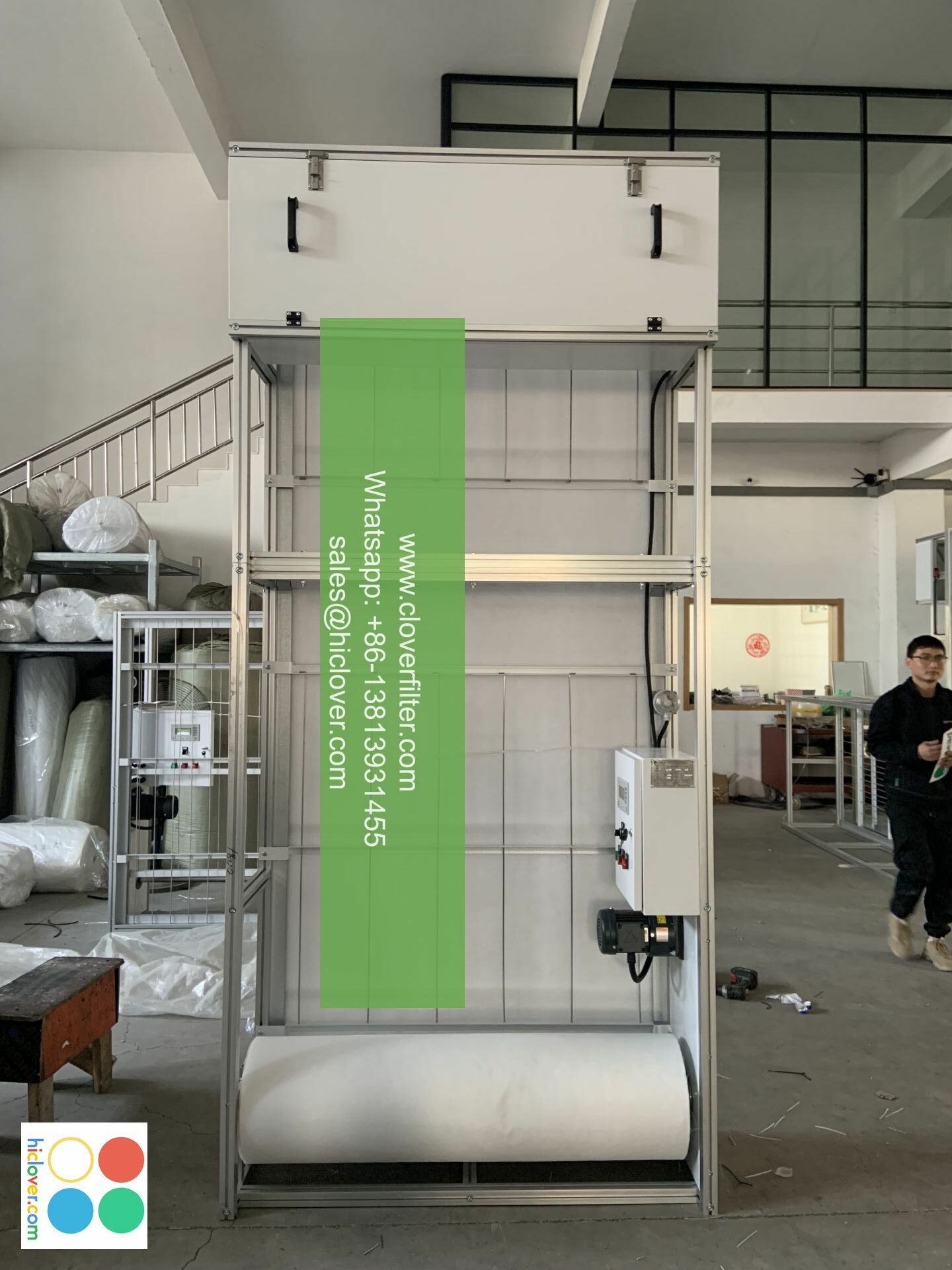
The integration of air filter contacts and building automation systems (BAS) is a rapidly growing trend in the construction and facilities management industries. This innovative technology combines the benefits of air filtration with the advanced control and monitoring capabilities of BAS, creating a more efficient, healthy, and sustainable indoor environment. In this article, we will explore the opportunities and challenges of air filter contacts and building automation, highlighting various application areas and key considerations.
Introduction to Air Filter Contacts
Air filter contacts, also known as air filter sensors or air quality sensors, are devices that monitor and measure the performance of air filters in heating, ventilation, and air conditioning (HVAC) systems. These sensors detect changes in air pressure, temperature, and humidity, providing real-time data on the filter’s condition and alerting facility managers to potential issues before they become major problems. By integrating air filter contacts with building automation systems, facilities can optimize their HVAC operations, reduce energy consumption, and improve indoor air quality (IAQ).
Building Automation Systems (BAS)
Building automation systems are advanced software and hardware solutions that control and monitor various building systems, including HVAC, lighting, security, and energy management. BAS uses data from sensors, such as air filter contacts, to optimize building performance, reduce energy waste, and improve occupant comfort. By leveraging the power of BAS, facilities can realize significant cost savings, extend equipment life, and enhance their overall sustainability.
Opportunities for Air Filter Contacts and Building Automation
The integration of air filter contacts and building automation systems offers numerous opportunities for facilities to improve their operations and reduce their environmental impact. Some of the key benefits include:
* Energy Efficiency: By monitoring and optimizing air filter performance, facilities can reduce energy consumption and lower their utility bills.
* Improved Indoor Air Quality: Air filter contacts can detect changes in air quality, enabling facilities to take proactive measures to maintain a healthy and comfortable indoor environment.
* Predictive Maintenance: Real-time data from air filter contacts can help facilities predict and prevent equipment failures, reducing downtime and extending equipment life.
* Enhanced Sustainability: By optimizing HVAC operations and reducing energy waste, facilities can minimize their carbon footprint and contribute to a more sustainable future.

Challenges and Limitations
While the integration of air filter contacts and building automation systems offers many benefits, there are also several challenges and limitations to consider:
* Initial Investment: The cost of installing air filter contacts and BAS can be significant, requiring a substantial upfront investment.
* System Integration: Integrating air filter contacts with existing BAS can be complex, requiring specialized expertise and equipment.
* Data Management: The large amounts of data generated by air filter contacts and BAS can be overwhelming, requiring advanced data analytics and management capabilities.
* Cybersecurity: The increased connectivity of building systems and devices can create new cybersecurity risks, requiring robust security measures to protect against threats.
Application Areas
The integration of air filter contacts and building automation systems has numerous application areas, including:
* Commercial Buildings: Office buildings, shopping centers, and hotels can benefit from improved IAQ, energy efficiency, and predictive maintenance.
* Healthcare Facilities: Hospitals, clinics, and nursing homes require high-quality air filtration and advanced building automation to maintain a healthy and safe environment.
* Industrial Facilities: Manufacturing plants, warehouses, and distribution centers can optimize their HVAC operations and reduce energy waste using air filter contacts and BAS.
* Residential Buildings: Homeowners and property managers can improve IAQ, reduce energy consumption, and enhance occupant comfort using smart air filter contacts and building automation systems.
Conclusion
The integration of air filter contacts and building automation systems is a powerful combination that can help facilities improve their operations, reduce their environmental impact, and enhance occupant comfort. While there are challenges and limitations to consider, the benefits of this innovative technology make it an attractive solution for facilities looking to optimize their HVAC operations and improve their overall sustainability. By highlighting various application areas and key considerations, this article aims to provide a comprehensive overview of the opportunities and challenges of air filter contacts and building automation, empowering facilities to make informed decisions about their building systems and operations. It looks like you’re ready to start a conversation, but you haven’t given me a specific prompt to work with. No worries! I’m here to help. What’s on your mind? Need help with a question, want to discuss a topic, or just looking for some friendly chat? Let me know, and I’ll do my best to assist you!
