Air Filter Converters: A Must-Have for New Homeowners
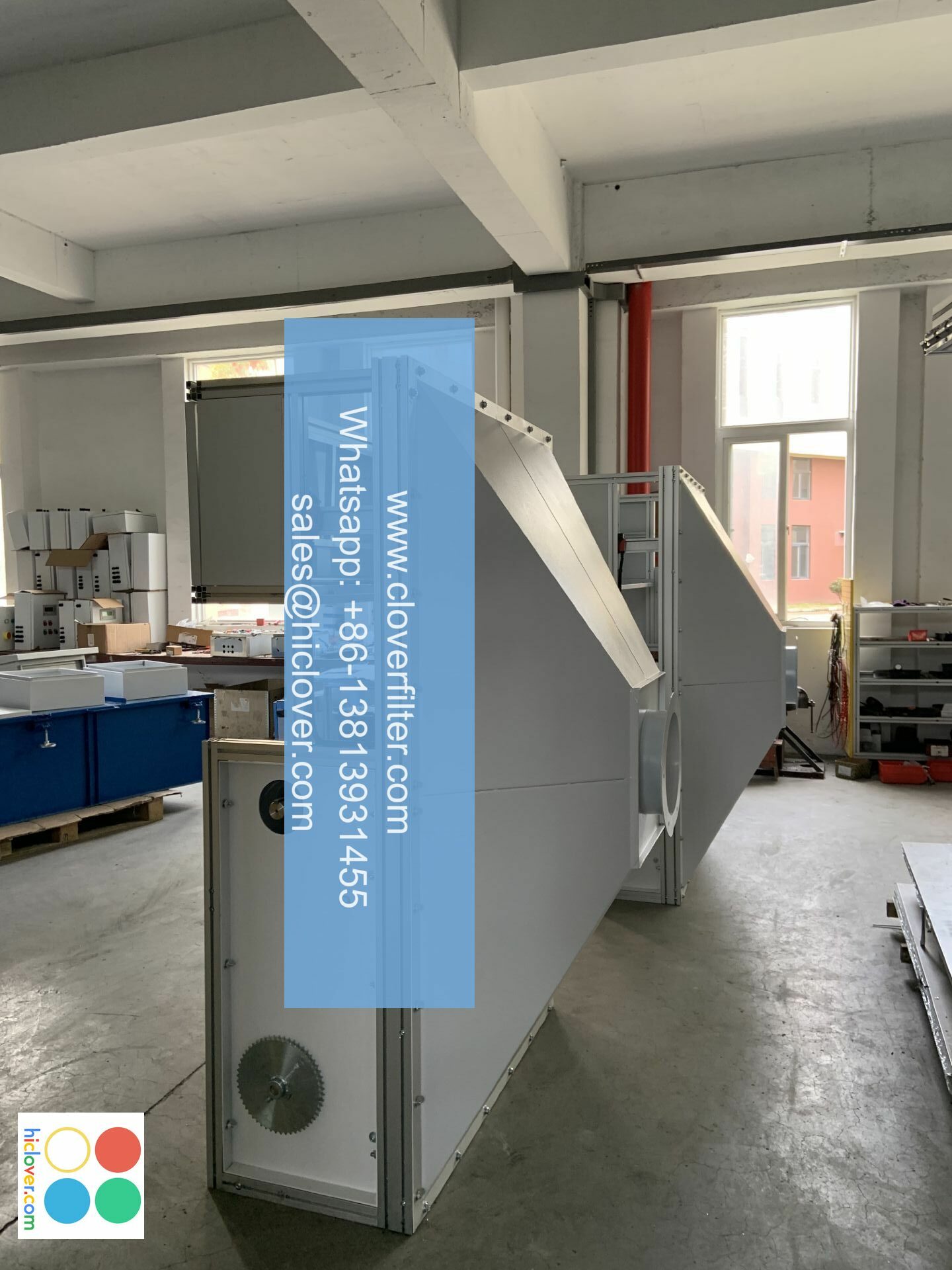
As a new homeowner, it’s essential to prioritize indoor air quality to ensure a healthy and comfortable living space. One often overlooked but crucial component in achieving this is the air filter converter. In this article, we’ll delve into the world of air filter converters, exploring their benefits, applications, and why they’re a must-have for new homeowners.
What are Air Filter Converters?
Air filter converters are devices designed to adapt standard air filters to fit non-standard air conditioning and heating systems. They provide a cost-effective solution for homeowners who want to upgrade their air filtration system without replacing the entire HVAC unit. These converters are multifunctional, allowing for the use of high-efficiency air filters, such as HEPA filters, activated carbon filters, and UV air purifiers, to name a few.
Benefits of Air Filter Converters
The advantages of air filter converters are numerous, making them an attractive solution for new homeowners. Some of the key benefits include:
* Improved Indoor Air Quality: By allowing the use of high-efficiency air filters, air filter converters can significantly reduce airborne pollutants, such as dust, pollen, and pet dander, creating a healthier indoor environment.
* Increased Energy Efficiency: By improving airflow and reducing pressure drops, air filter converters can help lower energy consumption, resulting in cost savings and a reduced carbon footprint.
* Enhanced System Performance: Air filter converters can help prolong the lifespan of HVAC systems by reducing the strain caused by inefficient air filters, thereby minimizing maintenance and repair costs.
Applications of Air Filter Converters
Air filter converters have a wide range of applications, making them a versatile solution for various industries and settings. Some of the key application areas include:
* Residential HVAC Systems: Air filter converters are ideal for new homeowners who want to upgrade their air filtration system without replacing the entire HVAC unit.
* Commercial Buildings: Air filter converters can be used in office buildings, restaurants, and other commercial establishments to improve indoor air quality and reduce energy consumption.
* Industrial Settings: Air filter converters can be applied in industrial settings, such as manufacturing facilities, to improve air quality and reduce the risk of airborne pollutants.

Types of Air Filter Converters
There are various types of air filter converters available, each designed to cater to specific needs and applications. Some of the most common types include:
* Electronic Air Filter Converters: These converters use electronic technology to enhance air filtration and improve system performance.
* Manual Air Filter Converters: These converters require manual adjustment and are often used in residential settings.
* Automated Air Filter Converters: These converters use sensors and automation technology to optimize air filtration and system performance.
Conclusion
In conclusion, air filter converters are a must-have for new homeowners who prioritize indoor air quality and energy efficiency. With their ability to adapt standard air filters to fit non-standard HVAC systems, air filter converters provide a cost-effective solution for upgrading air filtration systems. Whether you’re looking to improve indoor air quality, reduce energy consumption, or enhance system performance, air filter converters are an excellent choice. So, if you’re a new homeowner looking to create a healthy and comfortable living space, consider investing in an air filter converter today. You haven’t asked a question or provided any context. Please provide more information or ask a specific question so I can assist you.
